


Eliquis is a blood thinner belonging to a drug class called anticoagulants. These drugs help prevent blood clots by thinning the blood. Anticoagulants can also be used to treat blood clots.
Its generic version, apixaban, has approval from the Food and Drug Administration (FDA). But due to current drug patent laws, you can’t purchase this drug, as the manufacturer of Eliquis still has a valid patent.
Need a diagnosis or prescription quickly? For certain health conditions, Optum Perks offers personalized on-demand care with no appointment required. For $25, answer a few questions online and receive a diagnosis and treatment plan from a board certified healthcare professional in 15 minutes or less. Get started here.
What makes Eliquis so expensive?
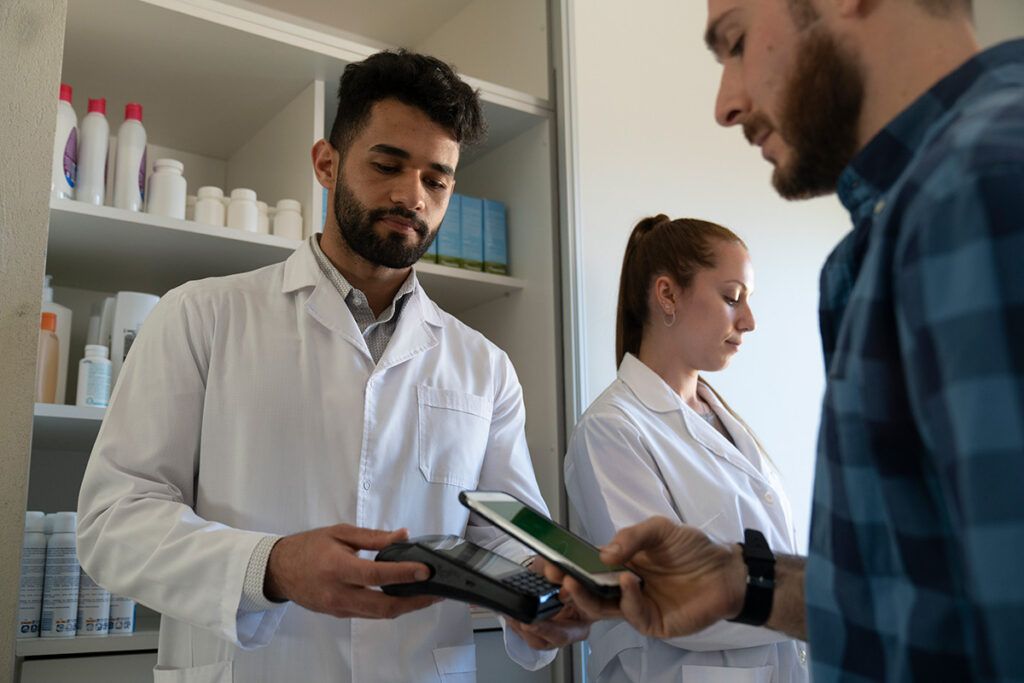
Eliquis is the most expensive blood thinner on the market. This is because other blood thinners have a generic option available, and generic drugs are often significantly cheaper than their brand-name equivalent. The generic version of Eliquis is not yet available in the United States.
Brand-name drugs have higher costs as their manufacturers often invest large amounts of money into drug research and development. After a new drug, like Eliquis, gets FDA approval, the manufacturer receives a patent for up to 20 years, during which time they are the only company permitted to produce and sell the drug.
Patent laws guarantee a company monopoly in their drug market until the patent expires, and the manufacturer can decide the price of the drug. They will typically set these prices so they can make a profit and recover the research and development costs.
The current Eliquis patent is due to expire in November 2026. However, laws can allow patent extensions if the manufacturer introduces a new formula or makes significant changes to their drug. This can further delay the release of a generic drug version.
The price of Eliquis, similar to any other medication, can also vary depending on several factors, like:
- your insurance coverage
- whether you use a savings program that includes Eliquis
- whether you’re eligible for savings provided by the manufacturer’s copay card
- the price set by the pharmacy
About blood thinners and their costs
Generic medications have the same active ingredient as their brand-name equivalents, so there should not be much difference in how they work.
Generic costs are also lower because the generic drug manufacturer does not have the associated research and development costs and does not have to go through the same rigorous FDA approval process.
The price of a blood thinner may also change depending on how well it works and how much it improves life quality. A 2016 study found that Eliquis, compared to other anticoagulants, has the best quality-adjusted survival (QALYs), giving people with atrial fibrillation an equal cost-to-quality-of life ratio.

Where is the cheapest place to buy Eliquis?
The cheapest place to purchase Eliquis may depend on your insurance coverage (if you have insurance) and the pharmacy you use. Contacting different pharmacies in your area to check their pricing may help you find a lower price.
You can also contact your insurance provider to learn whether they cover Eliquis and how much you can expect to pay for your prescription. Sometimes, your benefits may include using a mail-order pharmacy, which may offer the drug at a lower cost.
For people with insurance, the Eliquis copay card might allow you to get your medication for $10 per 30-day supply at certain pharmacies. See the manufacturer’s website for more information and other resources that may help you determine your insurance coverage and what you can expect to pay.
You can also talk with your doctor or a pharmacist to see if they can help you find the cheapest price for Eliquis.
What are some more cost-effective alternatives?
There are several cheaper anticoagulants available that a doctor or healthcare professional can recommend instead of Eliquis. They will also be able to advise if they are suitable for your healthcare needs.
Some more cost-effective alternatives to Eliquis may include:
- warfarin (Jantoven)
- heparin
- dabigatran etexilate (Pradaxa)
- edoxaban (Lixiana)
- rivaroxaban (Xarelto)
If you need help covering the cost of medications, the free Optum Perks Discount Card could help you save up to 80% on prescription drugs. Follow the links on drug names for savings on that medication, or search for a specific drug here.
Free prescription coupons
Seriously … free. Explore prices that beat the competition 70% of the time.
Get free cardHow do blood thinners work?
Blood thinners are medications that prevent your blood from forming clots. Eliquis does this by stopping a certain clotting factor from working, which makes your blood less likely to form clots.
Blood thinners cannot break clots that have already formed, but they can stop them from growing larger. This then allows your body to break down the clot naturally.
Without taking blood thinners, people with specific health conditions may have a greater risk of developing large blood clots that could block blood vessels and potentially lead to fatal consequences, such as heart attack and stroke.
Who might they be good for?
Doctors or healthcare professionals may recommend blood thinners to people with:
- an atypical heart rhythm
- congenital heart defects
- a heart valve replacement
- certain blood vessel or heart conditions
- a chance of forming blood clots after undergoing surgery
- blood clots such as deep vein thrombosis (DVT) or pulmonary embolism (PE)
Anticoagulants and antiplatelets are the two main types of blood thinners. Anticoagulants, such as Eliquis and warfarin, slow the clot-forming process. Antiplatelets, like clopidogrel (Plavix) and aspirin, can prevent blood cells called platelets from sticking together and forming clots.
A healthcare team will typically recommend antiplatelets to people who have had a stroke or a heart attack.
Discussing options with a doctor
If you have difficulties affording Eliquis or would like to switch to a different medication, you should speak with a doctor or healthcare professional. They can discuss the available options with you and help you manage your health condition and reduce your risk of forming blood clots and developing complications.
If you have health insurance, you can speak with them to check which anticoagulants your plan covers. Alternatively, you can check the cost with your local pharmacy or by checking the coupon options on Optum Perks.
Summary
Eliquis is the most expensive blood thinner on the market. However, there are some other medications that may be suitable for treating a clotting disorder.
If you experience difficulties affording this medication, there are some options to help you reduce the cost of your drugs. Doctors can also recommend alternative drug options that may be more affordable.
—————
Download the free Optum Perks Discount Card to save up to 80% on many prescription medications. Plus, you can now get them delivered to your home in as little as 3 days. Search for your medication here.