


Rosacea and eczema both can cause your skin to break out in itchy red bumps or patches. Because of this similarity, it can be tough to know exactly which one you have.
Full-body skin exams, medical tests, rash patterns, and your family history all offer important clues, says Karan Lal, DO. He’s a dermatologist at UMass Memorial Medical Center in Worcester, Massachusetts.
These conditions all have some things in common. For example, they do not pass from one person to another and tend to run in families. But they do have different causes and treatments, and there are some different symptoms you can look out for.
Rosacea vs. eczema: How to tell what you have
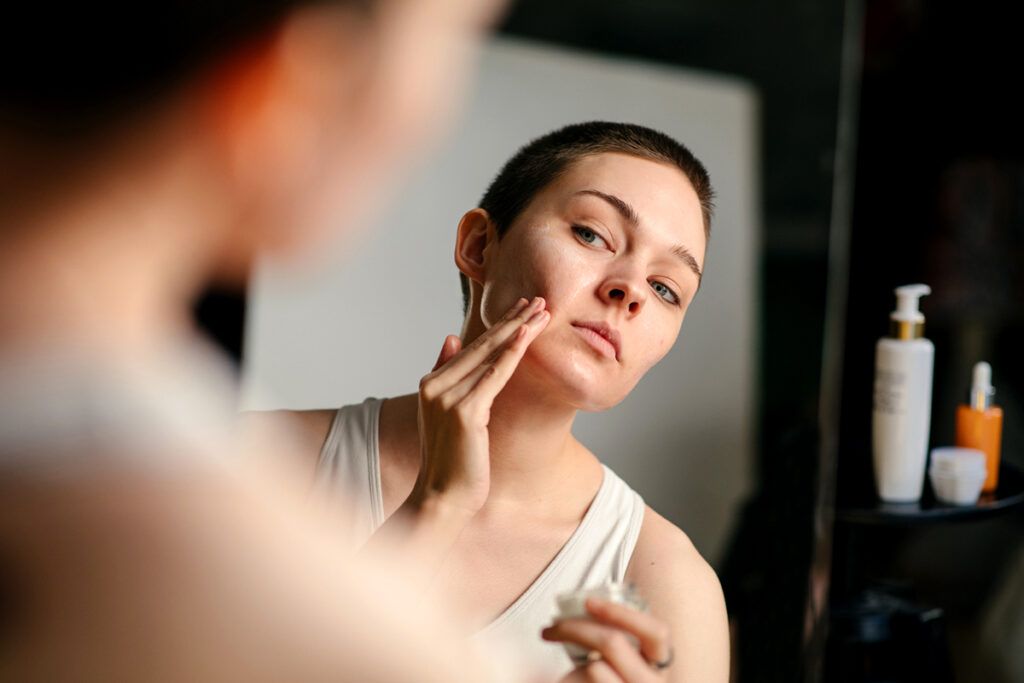
Rosacea and eczema have several similarities. They both cause itchy, discolored, dry patches on your skin. They both also happen in flares, meaning they will get better and worse at different times.
At first glance, you might not know which condition is affecting you. But there are many ways to help you tell the difference between them.
- Location: Rosacea usually appears on your face, cheeks, and nose. Eczema can appear anywhere on your body and is common on your arms or torso. If it does appear on your face, it’s more common on your eyelids or around your mouth.
- Symptoms: Alongside the itchy, dry skin found in eczema, rosacea is also likely to cause pus-filled or raised bumps that look similar to acne. Eczema doesn’t usually cause this.
- Who it affects: Eczema is more common in children, whereas rosacea is more common in adults ages between 30 and 50 years old.
- Triggers: Exposure to the sun is a top trigger of rosacea, whereas it may benefit some people with eczema. Things in the environment, such as harsh chemicals or dust mites, often trigger Eczema.
————–
Need a diagnosis or prescription for rosacea? You can get discreet and expert on-demand care in as little as 15 minutes through Optum Perks. For $39, answer a few questions online and get a treatment plan from a US-licensed healthcare professional. Get started here.

What to know about rosacea
Rosacea is a common skin condition that typically appears on the face. It often starts as more frequent blushing or flushing. It can show up as other signs and symptoms, including:
- visible blood vessels in the face
- acne-like breakouts
- thick, bumpy skin
- irritated, swollen eyes
Symptoms can flare up for weeks or months and then disappear. While there’s no cure, there are ways to manage it. Over time, some people with rosacea develop permanent skin discoloration around the center of their face.
Who gets it?
Rosacea can happen to anyone at any age. But most people who get it are people with fair skin and between the ages of 30 and 50 years, says the American Academy of Dermatology (AAD). Women are more likely than men to get rosacea.
But note that anyone can get rosacea. It may be underdiagnosed or underreported in people with darker skin colors because people expect it to cause redness, but this isn’t always the case in skin of color.
What causes it?
Experts aren’t sure exactly what causes rosacea. But the AAD says a mix of genetic and environmental triggers may cause them. Common triggers include:
- sunlight
- heightened emotions and stress
- hot drinks and spicy foods
- alcohol, such as red wine
- wind and extreme temperatures
- some blood pressure medications
- certain skin care products
How it’s treated?
Sun exposure is the top trigger for rosacea, so make sure you regularly practice sun safety. Try to avoid midday sun and wear broad-spectrum sunscreen with a sun protection factor (SPF) of 30 or higher every day. Your doctor may also recommend using gentle cleansers on skin with rosacea.
Laser and light-based treatments can help reduce or even eliminate skin discoloration. Many people also use a topical gel called brimonidine (Mirvaso) or a cream called oxymetazoline that can reduce facial skin discoloration.
You can use sodium sulfacetamide (Ovace Plus) as a cleanser or lotion. Skin medications to help manage pimples due to rosacea include azelaic acid (Finacea), metronidazole (Metrogel®), doxycycline (Adoxa), and ivermectin (Soolantra®).
————-
If you need help covering the cost of medications, the free Optum Perks Discount Card could help you save up to 80% on prescription drugs. Plus, you can now get them delivered to your home in as little as 3 days. Search for your medication here.
Free prescription coupons
Seriously … free. Explore prices that beat the competition 70% of the time.
Get free cardWhat to know about eczema
Eczema is a common inflammatory skin condition. The most common type is called atopic dermatitis. It affects up to 30% of children and 10% of adults. It usually appears dry, extremely itchy skin that might ooze clear fluid if scratched.
The red to brownish-gray patches typically show up on the hands, feet, ankles, wrists, upper chest, eyelids, and the bends of the knees and elbows. Symptoms or flare-ups often come and go, sometimes disappearing for long stretches of time.
Who gets it?
Eczema can appear at any age. But 90% of people with atopic dermatitis get it before the age of 5 years, according to a 2020 review. It’s also more common in Black children.
But like rosacea, eczema might be underreported in the skin of color because you might not recognize it, as many online images are of people with light skin having eczema.
Many people outgrow eczema in childhood, Dr. Lal says. But factors such as family eczema history, history of asthma, and history of seasonal allergies may indicate if someone is more likely to have chronic eczema.
What causes it?
There’s no one specific thing. A combination of genetics and environmental triggers causes eczema. Triggers can include:
- allergens, such as pollen
- stress
- sweat
- skin products
Some people with eczema also have a mutation in the gene that creates a protective layer on the top of the skin. Because the skin is not as well protected, it’s more open to infection.
How it’s treated?
Prevention is a large part of treatment. Keeping the skin hydrated with creams and ointments is important, as is taking short showers and baths and using scent-free and mild soaps.
There are several different types of eczema, which may have slightly different treatment approaches.
Healthcare professionals also recommend anti-itch creams, such as hydrocortisone (Cortef) or tacrolimus (Protopic).
If these steps don’t help, you can try prescription medications. Options include:
- Corticosteroid creams: such as betamethasone (Sernivo) and triamcinolone (Trivaris)
- Oral corticosteroids: like prednisolone (Orapred)
- Topical calcineurin inhibitors: such as pimecrolimus (Elidel) and tacrolimus (Protopic)
- Janus kinase inhibitors: such as ruxolitinib (Opzelura) cream
Healthcare professionals may also recommend other therapies, such as light therapy (also known as phototherapy).
Summary
Rosacea and eczema can both cause skin discoloration and inflammation of your skin. Your skin may be itchy and uncomfortable. But both these conditions are different, with varying causes, symptoms, and treatments.
For example, rosacea is more likely to affect your face, while eczema is more common on the rest of your body. Rosacea can also cause pus-filled bumps on your face, while eczema is usually flat.
Knowing these key differences can help you know what treatment to seek from a doctor and help you feel better as quickly as possible.
—————
Download the free Optum Perks Discount Card to save up to 80% on many prescription medications. Plus, you can now get them delivered to your home in as little as 3 days. Search for your medication here.