


Depression is a common mental health condition. According to the Diagnostic and Statistical Manual of Mental Disorders, 5th edition, text revision (DSM-5-TR), symptoms of depression include at least five of these:
- persistent feelings of sadness, emptiness, or hopelessness
- loss of interest in activities you once enjoyed
- difficulty concentrating, recalling information, or making decisions
- appetite or weight changes
- difficulty sleeping or sleeping more than usual
- fatigue and loss of motivation
- feelings of worthlessness, shame, or guilt
- thoughts of death or suicide attempts
To receive a diagnosis, a mental health professional will explore if you’ve experienced these symptoms persistently for at least 2 weeks.
Depression can be draining. It may interfere with work, school, relationships, self-care, and overall quality of life. But treatment is available and effective. Relief is possible.
Best vitamins and minerals for depression
Moderate to severe symptoms of depression require medical intervention. Treatment may include psychotherapy and, in some cases, medications.
Some vitamins and minerals may help, but they cannot replace professional support. They may also interact with some medications, so it is best to consult a healthcare professional.
Research suggests that some minerals and vitamins help reduce depression symptoms:
Zinc
According to a 2022 review, zinc dysregulation in the brain may be the reason for oxidative stress and hormonal changes in the body, which can contribute to depression.
The review also found that zinc deficiency is common in people with depression. Taking zinc supplements may significantly improve their symptoms when that is the case.
The Food and Nutrition Board of the National Academy of Sciences, Engineering and Medicine (NASEM) suggests that zinc’s tolerable upper intake level (UL) for adults is 40 milligrams (mg)/day. This UL does not apply if you are getting zinc as part of a medical treatment under the supervision of a healthcare professional.
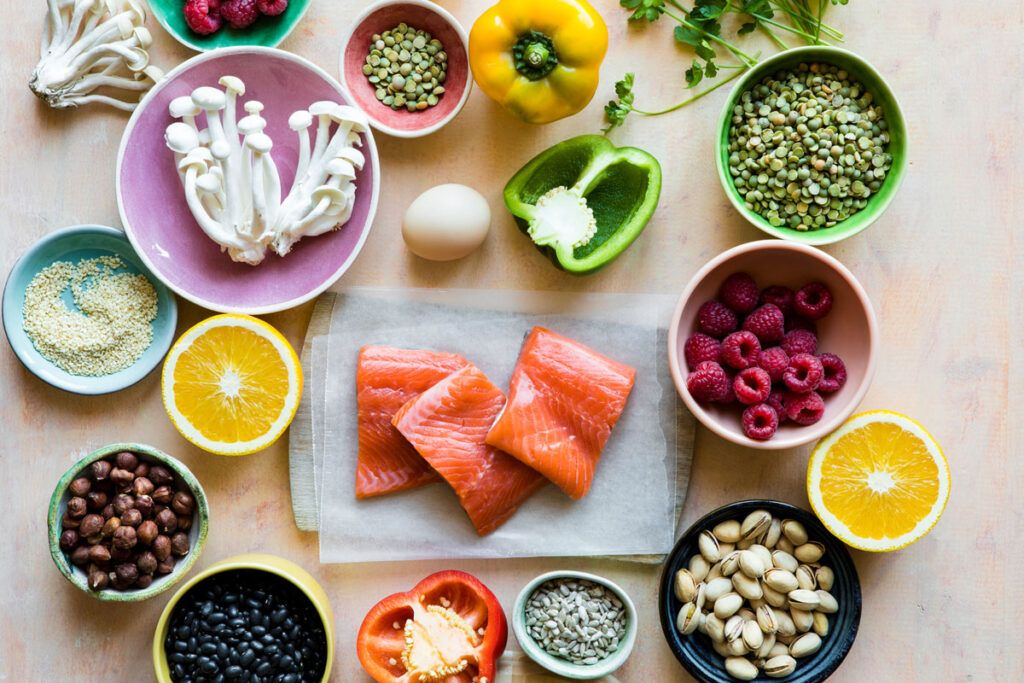
The Office of Dietary Supplements at the National Institutes of Health (NIH) lists the following foods as good sources of zinc:
- nuts and seeds
- aged cheese
- oysters and salmon
- egg yolk
- red meat and poultry
Zinc is also available in supplement form. But you may want to confirm if you have zinc deficiency before starting one. It will be helpful to discuss your options with a healthcare professional.

Vitamin D
A 2019 review found that low vitamin D levels may increase the risk of depression. Vitamin D supplements can potentially improve overall depression symptoms.
The authors suggest that this could have something to do with how vitamin D supports neuron survival and development in the brain.
The NIH states that vitamin D’s UL for adults is 100 micrograms (mcg)/day or 4000 international units (IU).
Sunlight is an excellent natural source of vitamin D. However, you may need to get it from your diet or supplements during winter if you spend limited time outdoors or cover up most of your body outdoors.
The U.S. Department of Agriculture (USDA) lists the following good dietary sources of vitamin D:
- fatty fish
- egg
- enriched juices and dairy
If you have vitamin D deficiency, your healthcare professional may prescribe vitamin D of a specific strength.
B Vitamins
A 2019 review concluded that certain B vitamins, including folate (vitamin B9) and vitamin B12, play a role in brain function and mood regulation.
However, the researchers emphasize that it’s still unclear if vitamin B supplements could specifically improve depression symptoms, further research would help understand its role better.
NASEM suggests that the UL for folate is 1,000 mcg/day for adults, and there is no UL limit for B12. These ULs do not apply if you are receiving medical treatment.
According to a 2022 study, the following foods are good sources of B vitamins:
- leafy greens
- legumes
- fortified cereals
- organ meat, fish, shellfish, and poultry
- milk and yogurt
- eggs
Magnesium
A review from 2020 found that magnesium may improve symptoms of depression and that there may be a link between low magnesium levels and those symptoms.
The authors suggest that this could be because of magnesium’s effect on (glutamatergic transmission) the process by which the neurotransmitter glutamate is released and received between neurons in your brain. This process plays a crucial role in brain functions like learning, memory, and mood regulation.
They also propose that magnesium deficiency may disrupt how your brain’s stress response system or hypothalamic pituitary adrenal axis (HPA) works, which can also affect depression.
According to NIH, the adult UL for magnesium is 350 mg/day.
The NIH mentions the following as good magnesium sources:
- oats
- nuts and seeds
- legumes
- certain fruits and vegetables, including bananas, spinach, and avocados
Different magnesium supplements are available, but the doctor will not prescribe them if you live with certain health conditions. Talk with your doctor about supplements that may be a good option for you. Some forms of magnesium are better absorbed, while others may have a laxative effect. Your doctor can help you identify the right supplement for your needs.
Vitamin C
According to an extensive 2020 literature review of 90 manuscripts and studies, psychologic stress and oxidative damage to your central nervous system are potential contributors to depression.
The review suggested that vitamin C, also known as ascorbic acid, may reduce both contributors and improve depression symptoms. It also noted that people having vitamin C deficiency had a higher chance of depression.
The authors highlighted low toxicity and high tolerance of the water-soluble vitamin, indicating that it’s often safe to take.
The NIH recommends vitamin C’s UL as 2,000 mg/day for adults.
In addition to supplements, the USDA lists fresh and juiced citrus fruits, and vegetables like peppers, as good sources of vitamin C.
Can vitamin deficiency cause depression?
Depression is a complex condition influenced by various biological, psychological, and environmental factors.
While it’s unlikely that vitamin and mineral deficiencies can be the sole cause of depression, they may contribute to the development or worsening of symptoms — as noted by the studies above.
If you believe you could have a nutrient deficiency or depression, consulting a health professional who can assess your nutrient levels and mental health is encouraged.
If you are considering self-harm or suicide, please seek help. You are not alone.
- Call a crisis hotline, such as the National Suicide Prevention Lifeline, at 988 or 800-273-8255.
- Text HOME to the Crisis Textline at 741741.
- If you feel you’re at immediate risk, reach out to a trusted friend, family member, or healthcare professional. Consider calling 911 or your local emergency number if you can’t get in touch with them.
How is depression treated?
Treating depression often involves a combination of medication, therapy, and lifestyle modifications.
According to the American Psychological Association (APA), common medications that help treat depression include:
- Selective serotonin reuptake inhibitors (SSRIs): Examples include fluoxetine (Prozac), sertraline (Zoloft), and escitalopram (Lexapro).
- Serotonin-norepinephrine reuptake inhibitors (SNRIs): Examples include venlafaxine (Effexor), duloxetine (Cymbalta), and desvenlafaxine (Khedezla, Pristiq).
- Tricyclic antidepressants (TCAs): Examples include amitriptyline (Elavil), nortriptyline (Pamelor), and clomipramine (Anafranil).
A healthcare professional can determine the most suitable medication based on your needs and medical history. It’s essential to follow their instructions and attend regular check ups.
————-
If you need help covering the cost of medications, the free Optum Perks Discount Card could help you save up to 80% on prescription drugs. Plus, you can now get them delivered to your home in as little as 3 days. Search for your medication here.

Free prescription coupons
Seriously … free. Explore prices that beat the competition 70% of the time.
Get free cardSummary
Vitamins and minerals may improve depression symptoms but cannot be a stand-alone treatment.
Zinc, vitamins C and D have shown promise in potentially relieving some symptoms of depression, mainly if you have their deficiencies.
It’s essential to consult a healthcare professional before starting new supplements to ensure their safety and effectiveness. They can also help find the most suitable approach for your needs, including lifestyle modifications and medications.
—————
Download the free Optum Perks Discount Card to save up to 80% on many prescription medications. Plus, you can now get them delivered to your home in as little as 3 days. Search for your medication here.