


During knee replacement surgery, doctors cut through skin, soft tissues, and bones. It takes time for the tissues to heal. During the healing process, excess fluids may collect in the tissue and around the knee joint, leading to pain and swelling.
A buildup of excess fluids in the joint is common and a natural part of the healing process. The duration of swelling and the recovery time after surgery can vary depending on several factors, including your age and whether you have other underlying conditions.
Causes
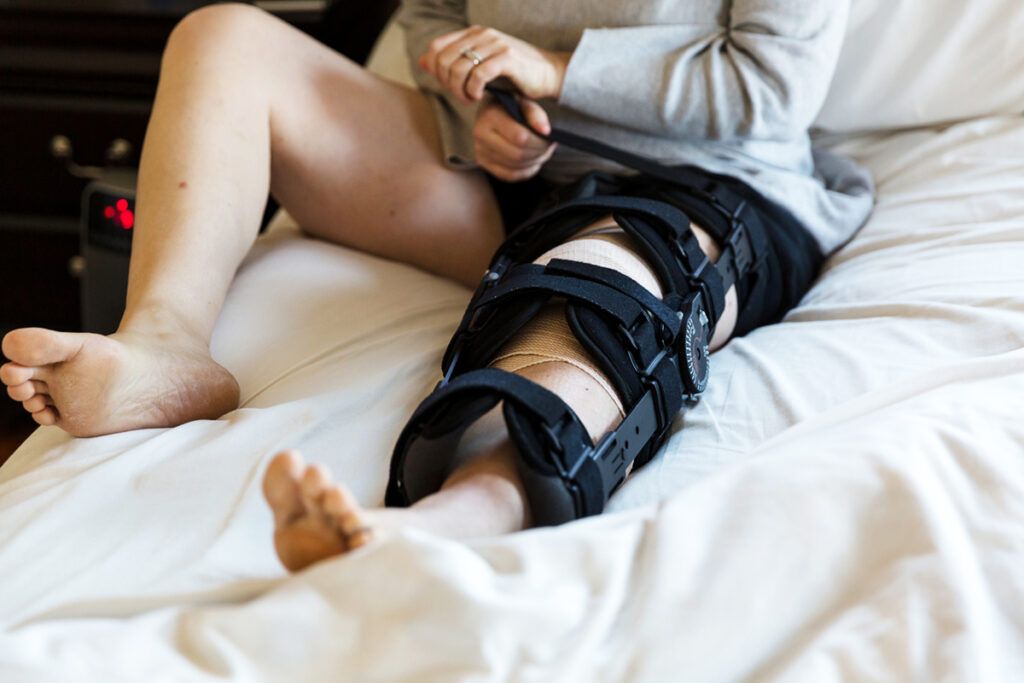
After any trauma (like an injury, for example), your body releases chemicals to make changes to your blood vessels, usually widening them. When you undergo surgery, surgeons cause controlled trauma to your body by cutting skin, bones, or any other required tissue, leading to inflammation.
This allows white blood cells, fluids, and other chemicals to more easily reach the area of the trauma and start the healing process. Swelling and bruising after knee surgery are common due to these chemicals rushing to the injury site.
When you undergo knee replacement surgery, the fluid buildup that occurs in your knee joint to start its healing process can cause swelling and discomfort. However, these symptoms should gradually improve in the following weeks and months until the swelling disappears completely.

How long should it last?
Moderate to severe swelling can occur in the first few days or weeks after knee replacement. People may then experience mild to moderate swelling for 3–6 months after surgery.
The duration of the swelling varies between people depending on many factors, including age and any other underlying conditions. Scar tissue also develops during the healing process, which can block the flow of lymph fluid — the body’s way of managing inflammation.
Physiotherapy can also help speed up the recovery process after surgery.
Contact a doctor if you notice significant or sudden swelling in your feet, ankles, or legs. This is because some people may develop blood clots as a complication of surgery.
If you have a blood clot, you may experience symptoms such as:
- leg or calf pain unrelated to the surgical incision
- tenderness or redness above or below the knee
- swelling in the calf, ankle, or foot
In some rare cases, the blood clot may travel to the lungs. This is a life threatening condition, and you must seek medical attention. Signs that a blood clot has traveled to the lungs may include:
- sudden chest pain
- shortness of breath
- coughing with a localized chest pain
Treatment
There are several options to improve swelling after knee replacement,. Doctors can advise medications, exercises, and home remedies that may help improve your discomfort and speed up recovery.
Doctors may recommend over-the-counter and prescription medications to reduce pain and inflammation after surgery, including:
- ibuprofen (Advil)
- naproxen (Aleve)
- acetaminophen (Tylenol)
- oxycodone (OxyContin)
- tramadol (Ultram)
A physical therapist can also perform massages and recommend exercises you can do at home to help reduce inflammation and speed up healing after surgery.
Some tips and home remedies may also help with discomfort and swelling after a knee replacement. Wearing compression socks and elevating your legs while you lie down for several hours a day may help reduce the swelling in your knee.
Compression socks can also help lower the risk of developing certain complications that may occur after surgery, including blood clots.
Applying ice packs or cold compresses to the knee may help reduce swelling and inflammation in the joint and surrounding tissues. Doctors may recommend repeating this treatment 3–4 times a day, keeping the ice pack on the joint for about 20 minutes each time.
If you have any concerns about the swelling in your knee joint or your health conditions, consider contacting a doctor. They can recommend the most appropriate treatment based on your symptoms and condition.
Excessive swelling can be a sign of serious complications like heart or kidney failure, which require emergency treatment. If you think this is the case, call 911 immediately.
If you need help covering the cost of medications, the free Optum Perks Discount Card could help you save up to 80% on prescription drugs. Follow the links on drug names for savings on that medication, or search for a specific drug here.

Free prescription coupons
Seriously … free. Explore prices that beat the competition 70% of the time.
Get free cardPrevention
There are some things you can do before and after surgery to lower the risk of developing severe swelling and other complications. These can include:
- eating a healthy, balanced diet
- stopping smoking, if you smoke
- managing your weight
It is also important to keep your wound protected and clean until the incision is completely sealed and dry. This can help prevent infections and speed up recovery. Aim not to soak your wound for at least 3–4 weeks after surgery until fully healed.
Most people can start physiotherapy exercises to recover mobility in their knee hours after surgery. Always follow the physiotherapist’s recommendations and regularly perform the exercises they assign to you to regain full mobility and accelerate your healing process.
Doctors can recommend the most appropriate strategies to prevent and reduce the risk of developing severe swelling in your knee joint.
Summary
Undergoing a knee replacement can affect people differently. Swelling is one of the most common symptoms you may experience after surgery, as well as bruising and pain. However, the severity of swelling can vary in each individual.
Ice packs, compression bandages and stockings, and anti-inflammatory medications can help relieve pain and improve swelling. Physical therapy is also a fundamental part of the recovery process. This can help reduce discomfort and speed up the healing process.
If necessary, some lifestyle changes like eating a healthy diet, managing your weight, and stopping smoking can also speed up recovery and reduce the risk of developing complications, such as blood clots.
Download the free Optum Perks Discount Card to save up to 80% on some prescription medications.