


Key takeaways
- Shaking after eating can be caused by reactive hypoglycemia, where blood sugar levels drop too low after a carbohydrate-heavy meal, or by idiopathic postprandial syndrome (IPS), where the cause is unknown but blood sugar levels remain normal.
- Reactive hypoglycemia can be caused by prediabetes, enzyme deficiencies, or stomach surgery, while IPS triggers may include alcohol consumption, hormonal sensitivity, excess insulin production, or foods with a high glycemic index.
- Both conditions are typically managed with dietary changes, such as eating smaller, more frequent meals, including lean protein and healthy fats, and limiting sugar and starchy foods; a doctor may prescribe medication like metformin if prediabetes is the cause of hypoglycemia.
Overview
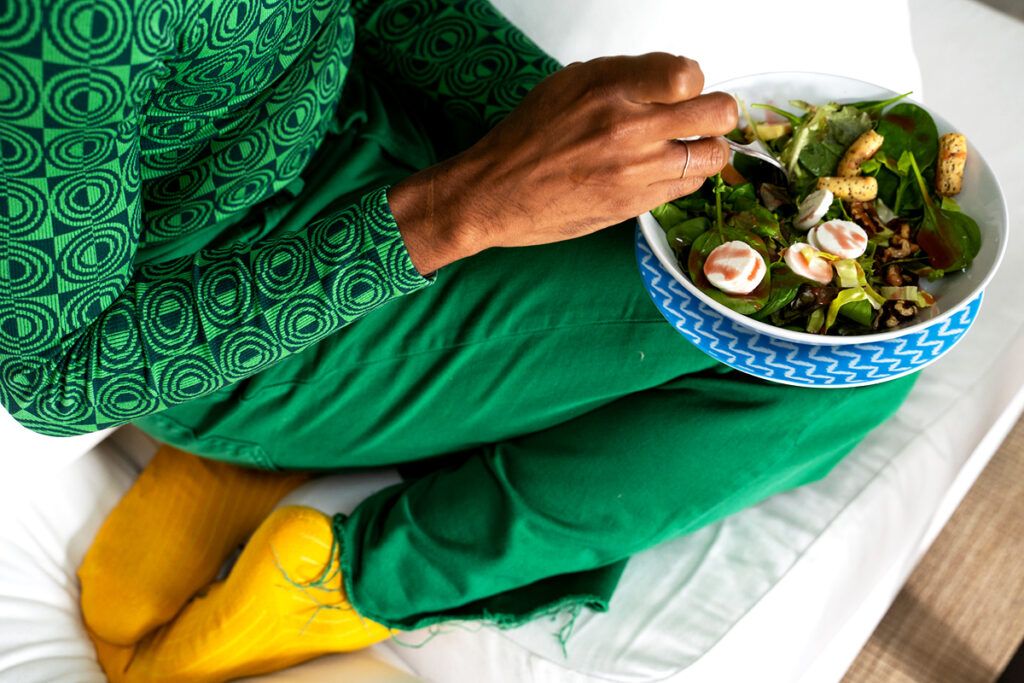
Feeling shaky or unusually weak and tired after eating a meal is a common experience, and there are two main reasons why this could happen.
It can be the result of your body trying to balance your blood glucose level after a particularly carbohydrate-heavy meal. This can cause a dip in your blood glucose levels called hypoglycemia.
However, sometimes there is no clear cause.
If a doctor monitors your blood glucose levels after a meal, and there is nothing unusual, you may have idiopathic postprandial syndrome (IPS). Idiopathic means that the cause is unknown, while postprandial implies that it occurs after you eat a meal.
—————-
Need a diagnosis or prescription quickly? Optum Perks offers personalized on-demand care in as little as 15 minutes. For $39, answer a few questions online and receive a diagnosis and treatment plan from a US-licensed healthcare professional. Get started here.

Low blood sugar
Hypoglycemia is the term for blood glucose levels that are below a healthy range. When you eat carbohydrates, your body breaks them down into glucose molecules. As this happens, your pancreas releases the hormone insulin.
Insulin helps transport glucose into the cells in your muscles and other tissues, such as the brain. This is where you get your energy from.
If you are diabetic, you can experience diabetic hypoglycemia if your medications remove too much glucose from your blood.
Hypoglycemia can cause shakiness after meals, and if you do not have a diabetes diagnosis, the term for this rare type of low blood glucose is “reactive hypoglycemia.” Typically, shaking happens between 1 and 2 hours after your meal.
Symptoms
The expected range for blood glucose before a meal is 80 to 130 milligrams per deciliter (mg/dL). If your blood glucose drops below this level, alongside shaking, you may experience other symptoms.
The table below shows the different ranges and the possible symptoms you may encounter.
| Blood sugar level | Symptom level | Symptoms |
|---|---|---|
| below 70 mg/dL | mild | hunger, nervousness, and sweating. |
| below 55 mg/dL | moderate | dizziness, tiredness, and anxiety |
| below 40 and 35 mg/dL | severe | seizures or loss of consciousness. |
Causes
There are a few reasons you may experience reactive hypoglycemia, including:
- Prediabetes: Being at risk of developing diabetes or having diabetes can make it difficult for your body to produce the correct amount of insulin.
- Enzyme deficiencies: Some inherited genes can cause deficiencies in specific enzymes that are important in the metabolism of carbohydrates and fats.
- Stomach surgery: Undergoing stomach surgery can lead to food passing from the stomach to the intestines too quickly.
Idiopathic postprandial syndrome (IPS)
You may hear IPS called pseudo-hypoglycemia, meaning false low blood sugar. This is because people with IPS can experience symptoms for up to 4 hours after eating, but will have no measurable change to their blood glucose level.
Because of this, unlike hypoglycemia, IPS does not cause long-term damage. It can disrupt your daily life, but will not affect you in the long run.
IPS is more common than reactive hypoglycemia in people without diabetes, meaning that if you experience shaking after meals, you are more likely to have IPS.
Symptoms
IPS can feel just like reactive hypoglycemia, but often less severe. Symptoms other than shaking can include:
- irritation
- sweating
- chills
- hunger
- nausea
- anger
- fatigue (low energy)
- headaches
- sadness
- blurry vision
Causes
Idiopathic means that doctors do not understand why a health condition occurs. But the following may trigger IPS in people without diabetes:
- consuming a lot of alcohol
- hormonal sensitivity, for example, to adrenaline
- excess insulin production from your pancreas
- eating foods with a high glycemic index (GI)
Treatments for shakiness after meals
If you experience shaking after you eat a meal, it is best to speak with a doctor to determine if the cause is an underlying medical condition such as prediabetes.
This will influence the treatments and lifestyle strategies they recommend.
Reactive hypoglycemia
If a doctor diagnoses reactive hypoglycemia, it is unlikely that they will recommend medical treatments. Most often, shifts to your diet and eating patterns can help symptom management.
But if the cause of your hypoglycemia is prediabetes, a doctor may recommend metformin (Riomet, Glumetza), an antidiabetic medication.
According to the Endocrine Society, if you notice symptoms of low blood glucose, consume at least 15 grams (g) of carbohydrates, like 4 glucose tablets or a cup of milk. It can take at least 15 minutes to correct your blood glucose levels.
————-
If you need help covering the cost of medications, the free Optum Perks Discount Card could help you save up to 80% on prescription drugs. Plus, you can now get them delivered to your home in as little as 3 days. Search for your medication here.

Free prescription coupons
Seriously … free. Explore prices that beat the competition 70% of the time.
Get free cardIdiopathic postprandial syndrome
If you receive an IPS diagnosis, it is also unlikely that a doctor will suggest medical treatment. But changing your diet can help stabilize hormones like insulin and balance your blood glucose levels.
Dietary remedies
Some dietary habits to try and include in your daily routine that can help manage your shaking after eating a meal include:
- eating multiple small meals per day instead of a few large meals
- including lean, protein-rich foods such as chicken breast and fish
- eating healthy fats such as avocados and extra virgin olive oil
- avoiding foods that are very high in sugar
- limiting alcohol intake, if applicable
- limiting starchy foods such as white rice and pasta
Summary
If you frequently experience shaking, tiredness, or nausea after eating a meal, you may have reactive low blood glucose levels or hypoglycemia. Working with a doctor or healthcare professional can help you find out the cause.
If your blood sugar is at expected levels when you test it, you may have idiopathic postprandial syndrome (IPS). IPS causes the same symptoms of reactive hypoglycemia but with no measurable difference in your blood glucose levels.
A doctor will most likely recommend dietary modifications like smaller, more frequent meals and reducing your sugar intake. If you receive a diagnosis of prediabetes, a doctor may recommend metformin or other antidiabetic medications.
—————
Download the free Optum Perks Discount Card to save up to 80% on many prescription medications. Plus, you can now get them delivered to your home in as little as 3 days. Search for your medication here.