


Acid reflux refers to the contents of your stomach traveling back up toward your throat via your food pipe (esophagus).
Persistent acid reflux may lead to gastroesophageal reflux disorder (GERD), a long-term condition.
You may experience acid reflux every now and then. Acid reflux typically happens when you eat certain foods or have gastrointestinal upset.
The National Institute of Diabetes and Digestive and Kidney Diseases estimates that 20% of people in the United States live with chronic acid reflux or GERD.
Your dietary choices may affect your symptoms and can also be a tool to manage acid reflux.
Is pineapple recommended for acid reflux?
Research suggests that specific dietary changes may help with acid reflux symptoms. For example:
- reducing your sugar intake
- eating more fiber
- getting daily portions of fresh fruits and vegetables
On the other hand, some of your dietary choices may trigger acid reflux or make it worse. Some foods you may want to avoid include:
- spicy foods
- citrus fruits
- tomatoes and other acidic foods
- onions and garlic
- chocolate
- mint
- caffeine, alcohol (if you drink), and fizzy drinks
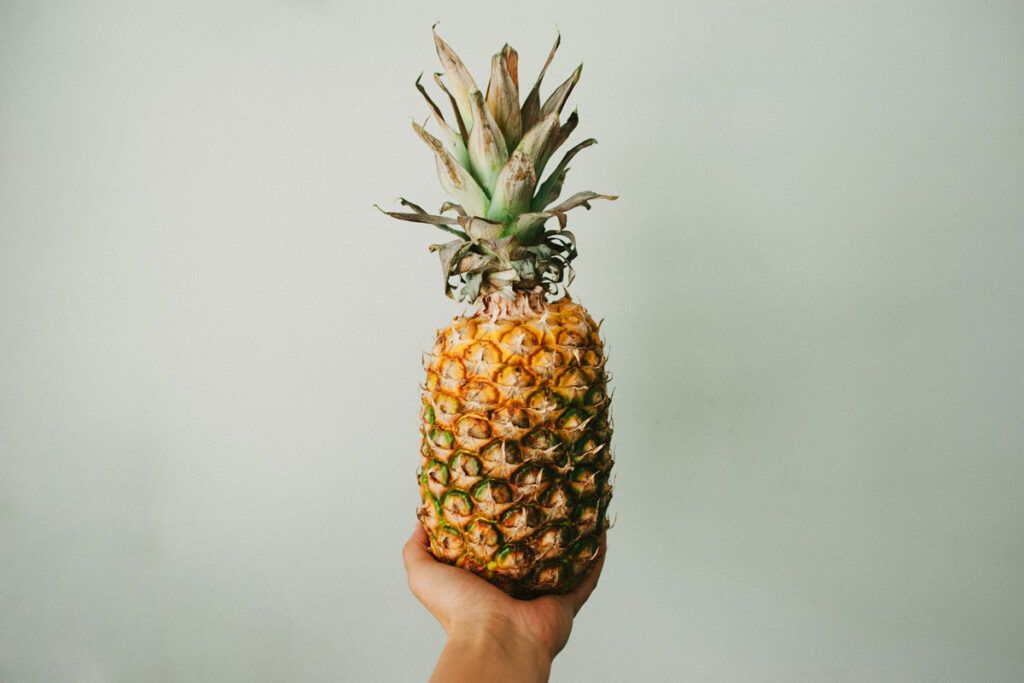
Pineapples are among the foods you may want to avoid despite falling into the “fresh fruit” category.

Pineapples are highly acidic, scoring 3–4 on the pH scale. pH is a measure of how acidic or alkaline something is. The scale goes from 0 to 14, where 7 is neutral. Everything under 7 tends to be acidic, and everything over is alkaline.
There isn’t enough research available on the link between pineapples and acid reflux, but some studies indicate that acidic foods act as an acid reflux trigger for many people.
For example, sour and acidic fruits like orange and grapefruit, often cause acid reflux symptoms.
If you don’t have active symptoms of acid reflux at the moment, you may try pineapple in moderation and monitor how you feel short after. This way, you will enjoy some of the health benefits of pineapple, including:
- Bromelain content: Pineapple contains bromelain, a mix of digestive enzymes that help you break down proteins. Bromelain may help with digestive challenges in general. For example, in a 2022 study in rats, bromelain helped improve the rodents’ gut health.
- Fiber content: Pineapple is a food rich in fiber, which may help to balance sugar and cholesterol blood levels and improve digestion. Research suggests that increasing dietary fiber intake may also be helpful for acid reflux symptoms.
- Fat content: According to a 2019 research review, high fat diets often trigger acid reflux. Pineapple is low in fat and high in nutrients. Double win!
Which fruits are good for acid reflux?
According to a 2016 study, a healthy diet, such as the Mediterranean diet, may help to improve acid reflux symptoms. The Mediterranean diet recommends eating lots of fresh fruits and vegetables.
If you have acid reflux symptoms, you may want to opt for less acidic fruits, such as:
- bananas
- melon
- figs
- coconut
- watermelon
If you need help covering the cost of acid reflux medications, the free Optum Perks Discount Card could help you save up to 80% on prescription drugs. Follow the links on drug names for savings on that medication, or search for a specific drug here.

Free prescription coupons
Seriously … free. Explore prices that beat the competition 70% of the time.
Get free cardHow is acid reflux treated?
In addition to a nutrient-dense diet, you can manage persistent acid reflux with over-the-counter (OTC) and prescription medications.
Medications for acid reflux and GERD may include:
- Antacids: Tums and Maalox, as well as other OTC antacids, may help with mild acid reflux by neutralizing stomach acid. Doctors do not recommend antacids for severe cases or long-term treatment. They may also cause diarrhea or constipation.
- H2 Blockers: Medications like nizatidine (Axid) and famotidine (Pepcid) help reduce the amount of acid your stomach produces. Some of these drugs need a prescription, and other H2 blockers may be available OTC. Doctors may recommend them for different cases. Your healthcare professional may advise you on the right choice.
- Proton pump inhibitors (PPIs): Medications like lansoprazole (Prevacid) and omeprazole (Prilosec) also reduce stomach acid production. PPIs may be an effective option for GERD symptoms. People prefer PPIs to H2 blockers. You should avoid taking OTC PPIs for more than 2 weeks.
Lifestyle modifications may also help you manage acid reflux. You may try:
- managing your weight for your age, health situation, and height
- avoiding or complete cessation of tobacco use
- avoiding eating food at least 3 hours before bedtime
- raising your head when sleeping
Summary
Research isn’t conclusive on the effects of pineapple on acid reflux symptoms. However, as an acidic food, doctors may not recommend pineapple for active cases of acid reflux. Although, some people may be able to have pineapple in moderation.
Working with a healthcare professional is the best way to manage acid reflux and GERD.
Download the free Optum Perks Discount Card to save up to 80% on some prescription medications.