


Hormonal birth control methods have been available only through prescription in the United States. This means that obtaining them requires a visit to a healthcare professional, which can be time-consuming and costly, and not accessible to everyone.
The recent approval of the first over-the-counter (OTC) oral contraceptive, Opill, by the Food and Drug Administration (FDA) marks a significant milestone.
Soon, you will be able to purchase hormonal birth control in local pharmacies and online without a prescription.
What is Opill?
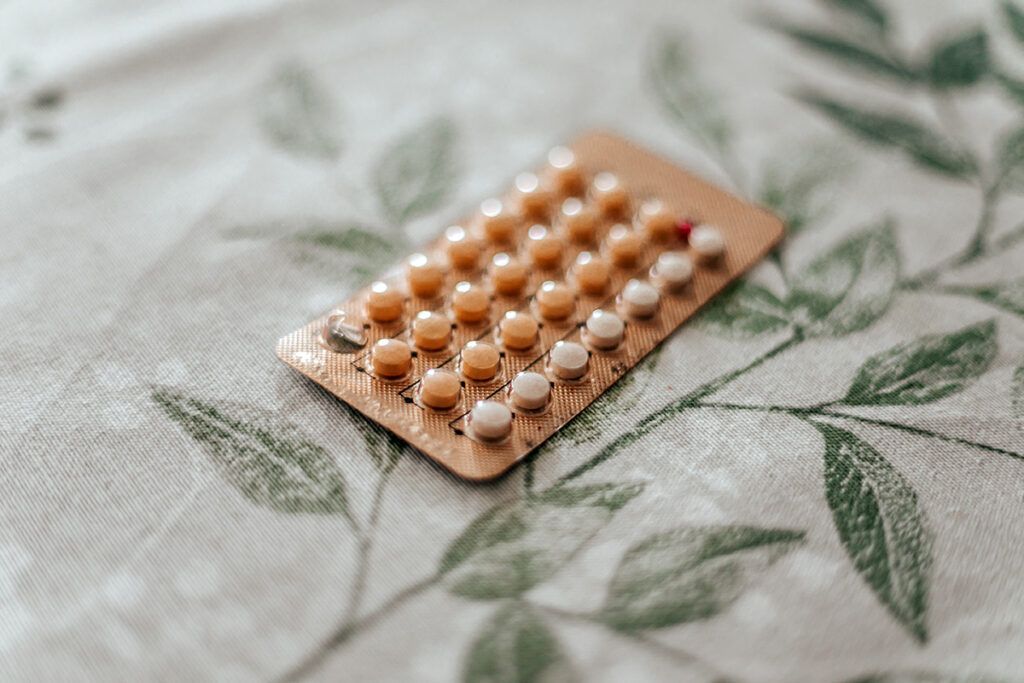
Opill is an oral birth control pill manufactured by Perrigo. The FDA approved this OTC contraceptive on July 13, 2023, providing a nonprescription option for hormonal birth control.
Opill is taken by mouth daily. It typically takes around 48 hours for Opill to become effective after the first dose.
In a postmarket drug information article, the FDA notes that each Opill tablet contains 0.075 micrograms (mcg) of norgestrel, a progestin hormone. The OTC contraceptive does not contain estrogen, which means it’s a type of mini pill.
Mini pills work by thickening cervical mucus and suppressing the release of eggs from the ovaries. In turn, this prevents fertilization and pregnancy.
Because Opill is a mini pill, you need to take it at the same time every day, including the placebo pills. This may increase the chances of missing a dose or taking the pill too late. Setting reminders is highly encouraged as well as identifying things that cancel out birth control effectiveness.

Who should not use the OTC birth control tablet?
Even though it will be an OTC birth control option, Opill may not be suitable for everyone.
The FDA states that you should not take OTC Opill if you:
- are pregnant or think you might be pregnant
- have a history of breast cancer
- were assigned male at birth
- use any other hormonal birth control options like an intrauterine device (IUD) or prescription progestin pills
- take medications for HIV, AIDS, seizure disorders, tuberculosis, or high blood pressure, or a St. John’s Wort supplement
The OTC birth control mini pill will not prevent sexually transmitted infections (STIs), nor is it a morning-after or plan B pill. It will not prevent pregnancy after having sex without a condom or other barrier methods.
Before starting Opill, consider these possible side effects noted by the FDA:
- irregular vaginal bleeding
- nausea
- breast tenderness
- headaches
If you have a chronic health condition or take any OTC or prescription medications, it is highly advised that you discuss these with a healthcare professional before taking OTC birth control.
What are the prescription birth control alternatives?
Examples of prescription hormonal birth control methods include:
- Combination pills: levonorgestrel ethinyl estradiol (Tyblume), norgestimate ethinyl estradiol (Ortho Tri-cyclen Lo), or drospirenone ethinyl estradiol (Yaz)
- Progestin-only pills: norethindrone (Camila)
- Skin patch: ethinyl estradiol/norelgestromin (Xulane)
- Injections: medroxyprogesterone (Depo-Provera)
- Intrauterine device (IUD) with progestin: levonorgestrel (Mirena)
- Skin implants: etonogestrel (Nexplanon)
If you need help covering the cost of medications, Optum Perks’ free Discount Card could help you get up to 80% off prescription medication. See how much you can save on your medication here.

Free prescription coupons
Seriously … free. Explore prices that beat the competition 70% of the time.
Get free cardHow is Opill different from prescription methods?
The main thing that sets Opill apart is its accessibility. You will be able to get OTC birth control pills online or from retail locations without going to the doctor or pharmacist.
Also, unlike many prescription options, Opill does not contain estrogen. This means it may be a safer option for some people.
A 2016 study noted that estrogen-containing birth control methods may not be recommended if you:
- live with migraine with aura
- use tobacco
- are older than 35 years of age
- have high blood pressure
- have a history of blood clots
- live with diabetes
- have or ever had breast cancer
Another differentiating factor is that Opill does not require application by a doctor, as IUDs and skin implants do.
Still, despite its convenience, you may miss out on extensive, personalized guidance from a healthcare professional, unlike prescription birth control.
Is OTC birth control as effective as prescriptions?
When taken as directed, the FDA states that the efficacy of OTC birth control is comparable to other oral birth control options at around 98%.
However, if you do not take Opill at the same time every day, miss a dose, vomit, or have diarrhea after taking it, the efficacy is reduced.
In such cases, follow the instructions in the packaging to prevent an unplanned pregnancy. This may include using backup contraception, such as condoms, in the next few days after missing the dose.
OTC birth control availability, coverage, and cost
According to the official website, Opill will become available as an OTC birth control option, which means you’ll find it online and at retail locations. The release date is not set but is estimated to be in early 2024.
The Opill manufacturer has not yet announced a price — though a 2023 press release stated that the pill would be “affordable.”
The cost may vary depending on the retailer, though. It is not clear at this time if OTC birth control pills will be covered by health insurance.
Download the free Optum Perks Discount Card to save up to 80% on some prescription medications.
Summary
Opill is the first OTC birth control option in the United States. This nonprescription mini pill offers a convenient and effective way to manage your reproductive health.
Opill will likely be available in early 2024, but the cost is unknown.
If you’re considering taking OTC birth control, consulting a doctor to explore if it’s the right option is highly advised.