


People who can become pregnant but do not want to have many different types of contraception to choose from, and one popular option is an IUD. This is a long-term and relatively hassle-free device that sits inside your uterus that stops sperm from reaching an egg.
It is common to think that hormonal contraception may cause weight gain. However, research finds that people often gain weight during their menstruating years, regardless of what hormonal contraceptive method they are using.
So if you gain weight and have an IUD, it is unlikely that this is the result of your IUD, regardless of the type. Weight is more likely to do with the natural aging process or lifestyle changes rather than your contraception.
What are IUDs?
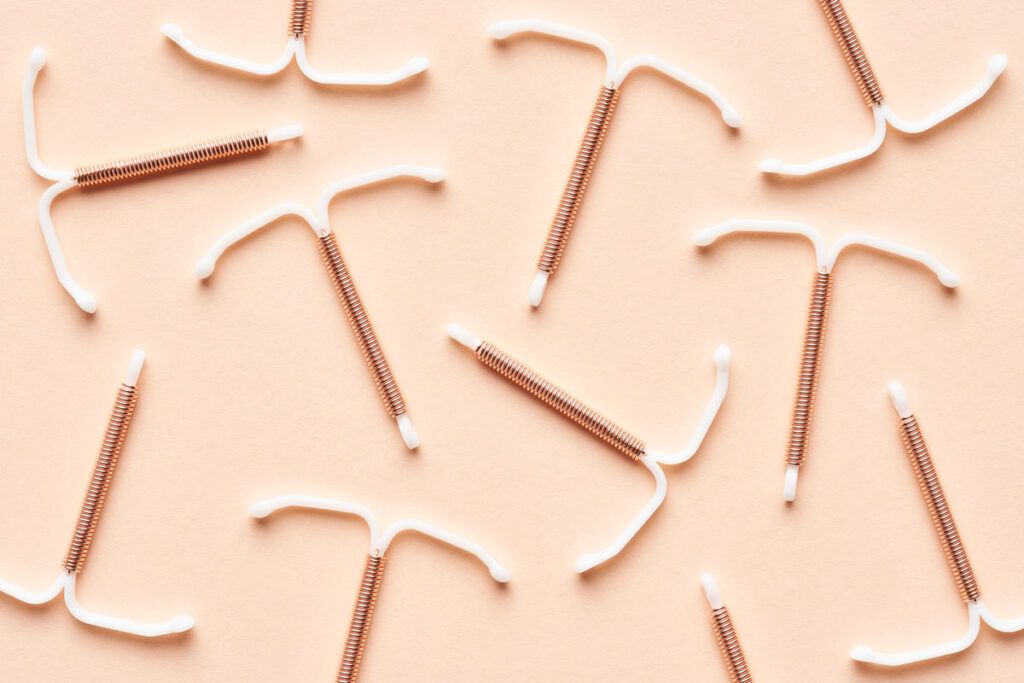
An IUD is a small device that sits inside your uterus. It is a very effective form of reversible birth control that comes in both hormonal and nonhormonal forms.
But IUDs do not protect you against sexually transmitted infections (STIs). That’s why it’s important to use a barrier method of contraception, even if using an IUD.
There are two kinds of IUDs:
- Hormonal: This type releases hormones that prevent sperm from reaching the egg. It lasts up to 5 years.
- Nonhormonal: This device is made of copper and kills sperm before the sperm reaches the egg. It lasts up to 10 years.
Hormonal IUDs
These IUDs are small plastic devices that release the hormone progestin into your uterus. Progestin is very similar to the naturally occurring progesterone that your body makes.
Progestin thickens the mucus inside the uterus that traps sperm before it reaches an egg. It can also prevent any eggs from leaving your ovaries in the first place. Both methods prevent fertilization and, as a result, pregnancy.
There are four main hormonal IUDs available:
- Mirena (works for up to 8 years)
- Kyleena (works for up to 5 years)
- Liletta (works for up to 6 years)
- Skyla (works for up to 3 years)
Hormonal IUDs are easily reversible. If you wish to get pregnant, your doctor or nurse simply removes it. You will then be able to get pregnant right away.
If you need help covering the cost of medications, Optum Perks’ free Discount Card could help you save up to 80% on prescription drugs. Follow the links on drug names for savings on that medication, or search for a specific drug here.

Nonhormonal IUD
Nonhormonal or copper IUDs (Paragard) are small plastic devices that have a coating of copper wire around them. When inside your uterus, the copper causes sperm to be less able to move, which makes it almost impossible for any sperm to reach an egg.
Copper IUDs can last for up to 10 years. Copper IUDs are more than 99% effective at preventing pregnancy when used correctly.
Should you choose to use an IUD, your doctor or nurse will insert it for you.
Can they cause weight gain?
Many people may think that contraception causes weight gain because they have heard anecdotes of others gaining weight while using hormonal birth control. But there is not much evidence to support this.
It is typical for people of reproductive age to naturally gain weight, regardless of whether they are using a type of contraception or not. And a review of studies by the National Collaborating Center for Women’s and Children’s Health notes that there is no link between weight gain and using the copper IUD.
Some other hormonal types of birth control, such as the birth control implant, may be more likely to cause you to gain weight. However, this is debated, and the reasons behind gaining weight while using such contraceptives are unclear.
If you think you have gained weight since you started using a hormonal IUD, you can talk with a healthcare professional. They may suggest an alternative type of contraception that suits you better or help you determine the cause of any weight gain.
Other side effects
Side effects from IUDs differ depending on the type of IUD you get. Experiencing abdominal cramps and a small amount of spotting after insertion is expected. Some side effects take a few months to go away.
Hormonal IUD side effects
Some side effects from hormonal IUDs can make your periods easier to manage. For example, they may make menstrual cramps less painful and period flows lighter. Some people use hormonal IUDs to help manage symptoms of endometriosis.
Other side effects can include:
- pain after IUD insertion
- spotting between periods
- irregular menstrual cycles
Nonhormonal IUD side effects
Side effects from the copper IUD often differ from those that happen with the hormonal IUD. Sometimes, cramps and spotting are worse for people with the copper IUD, especially in the first 3 to 6 months after insertion.
Other side effects can include:
- spotting between periods
- irregular periods
- heavier or longer menstruation
- cramping during insertion and for the days following
If any side effects get worse or do not go away, talk with a doctor or nurse. Birth control should not be uncomfortable.

Free prescription coupons
Seriously … free. Explore prices that beat the competition 70% of the time.
Get free cardAlternatives to IUDs
If you try the IUD and it is not right for you, other methods of long-term contraception are available. The appeal of an IUD for many people is that they do not have to think about it after insertion.
The following methods do not rely on you remembering a strict schedule to get full protection:
- Contraceptive implant: Nexplanon is a small, flexible rod that a doctor injects below your skin. A contraceptive implant releases the hormone progesterone into your bloodstream to prevent pregnancy.
- Contraceptive injection: This is an injection of progesterone that lasts up to 13 weeks, depending on the type you get. It’s branded as Depo-provera.
- Contraceptive patch: This is a small, adhesive patch that releases hormones to prevent pregnancy. Each patch lasts 1 week and can be up to 99% effective. An example is the brand Twirla.
- Vaginal ring: The contraceptive ring provides hormones for 1 month that prevent you from getting pregnant. You do not have to think about birth control for the whole month, but the ring does need to be inserted manually. Examples include Nuvaring and Annovera.
Summary
IUDs are safe and effective methods of birth control. There is no strong evidence that shows either type of IUD causes weight gain. If you experience weight gain while using an IUD, it is more likely to be part of the natural process of aging.
There are many different forms of birth control to choose from. If you are not happy with your current type, you might consider talking with a healthcare professional about trying another type.
Download the free Optum Perks Discount Card to save up to 80% on some prescription medications.