


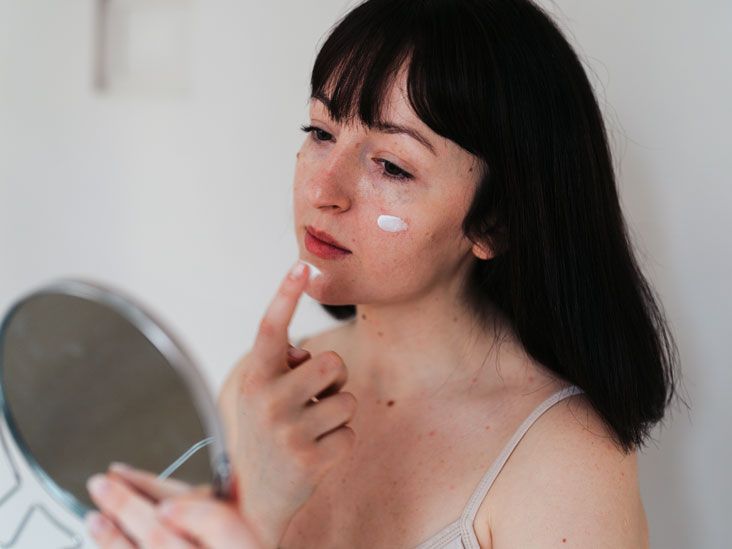
Rosacea is a chronic inflammatory condition that affects your skin, most commonly on your face. It most often causes symptoms of small discolored bumps, thickening of the skin, and acne-like pustules, depending on the type of rosacea you have. Typically, your symptoms will appear in flare-ups that happen in a cycle.
Experts aren’t sure of the exact underlying causes of rosacea, but it may be connected to genetics and environmental factors. Despite being similar to autoimmune conditions, doctors don’t classify it as an autoimmune disorder — a condition where your body’s immune system attacks healthy tissues and organs.
————–
Need a diagnosis or prescription for rosacea? You can get discreet and expert on-demand care in as little as 15 minutes through Optum Perks. For $39, answer a few questions online and get a treatment plan from a US-licensed healthcare professional. Get started here.

What causes rosacea?
Rosacea is a common condition affecting more than 5% of people worldwide. Its symptoms are caused by inflammation in your skin, which is what causes flushing, discoloration, and pustules on your face.
Experts aren’t sure what the exact underlying causes of rosacea are, but it’s likely due to a combination of genetic and environmental factors.
For example, some 2023 research looking at what genes are associated with rosacea identified several specific genes associated with the condition and suggested a strong familial inheritance component in your chance of developing the condition.
One environmental factor that can affect rosacea is your skin microbiome — the microbes that inhabit your skin, such as bacteria and fungi. These are usually not harmful, but in rosacea, they may cause inflammation in your skin.
Some 2020 research even suggests that the link extends beyond your skin microbiome, and the microbiome in your gut may also affect the development of rosacea.
Another environmental factor appears to be exposure to UV light, which is the light that comes from the sun. While UV light can trigger and worsen symptoms, a 2021 research review suggests it may even play a role in the development of the condition.
Certain people are at higher risk of developing rosacea, including:
- middle-aged and older adults
- women
- people with fair skin
- people with a family history of the condition
However, some experts consider that rosacea may be underdiagnosed in skin of color due to a lack of awareness, as it’s more difficult to see the symptoms in darker skin tones.
Is rosacea an autoimmune disorder?
Rosacea is not considered an autoimmune disorder. Autoimmune diseases are a group of conditions where an overactive immune system attacks the body’s own cells, tissues, and organs. They’re similar to rosacea in that experts think genetic and environmental factors may cause them, but there are several differences.
The main difference is that rosacea does not appear to be linked to the immune system. In autoimmune disorders, your body produces certain antibodies that cause this reaction. In rosacea, there is no evidence of these antibodies being present.
Autoimmune disorders also tend to have a wide range of symptoms across your body, whereas rosacea mainly affects your skin. Autoimmune conditions need immunosuppressive medications to reduce the immune response, but rosacea often responds well to anti-inflammatory medications.
Some examples of autoimmune disorders include:
- type 1 diabetes
- rheumatoid arthritis
- lupus
- inflammatory bowel disease (IBD)
Interestingly, while rosacea isn’t an autoimmune disease itself, it may have some associations with certain autoimmune conditions. For example, some 2020 research suggests that rosacea and IBD have some shared genetic links, and the two conditions may be associated.
Rosacea triggers
While doctors don’t know the exact underlying causes of rosacea, they do know that certain things may trigger rosacea to flare up. These include:
- Exposure to sunlight: UV light from the sun may be an underlying cause of rosacea, and it can also worsen your symptoms and lead to flare-ups.
- Stress: Periods of high stress may cause rosacea to flare up.
- Certain foods: What you eat may affect rosacea, especially spicy foods.
- Alcohol: Drinking alcohol, especially red wine, is a known trigger.
- Cosmetics: Some skin care, makeup, and hair products may trigger your rosacea.
- Temperature: Hot or cold temperatures or high winds can trigger rosacea.
- Exercise: You may notice that your rosacea flares up after exercise.
If you experience rosacea, figuring out your triggers can help you avoid flare-ups. You might consider keeping a diary to see any correlations between triggers and flare-ups.
Rosacea treatment
The majority of treatment methods for rosacea aim to reduce inflammation. There’s currently no cure for rosacea, so the main goal of treatment is to reduce flares, lower discomfort, and prevent your condition from worsening.
According to the American Academy of Dermatology (AAD), the ideal outcomes of treatment are to:
- soothe any discomfort
- reduce the appearance of rosacea
- prevent the condition from worsening
Topical medications
One common treatment method for rosacea is topical creams you apply to your face. These include:
- brimonidine gel (Mirvaso)
- metronidazole gel (Metrogel)
- azelaic acid (Finacea)
- ivermectin cream (Soolantra)
- benzoyl peroxide cream 5% (Epsolay)
Oral medications
In some rare cases, doctors might prescribe a low dose of oral antibiotics for rosacea, such as doxycycline (Oracea), which can manage breakouts and skin thickening. They may also try isotretinoin (Absorica) to manage symptoms of thickening skin.
Medical procedures
Alongside medications, doctors also recommend certain medical procedures and therapies to manage rosacea symptoms. You may incorporate these alongside medications and creams.
The most common of these are laser and light therapies. These treatments use lasers or focused pulsed light directed at affected areas to reduce the appearance of skin discoloration, visible blood vessels, and thickening skin. Laser resurfacing is a type of laser therapy that can treat the thickened skin on your face, often on the nose.
Doctors may also perform surgery with a scalpel to remove excess tissue.
————-
If you need help covering the cost of medications, the free Optum Perks Discount Card could help you save up to 80% on prescription drugs. Plus, you can now get them delivered to your home in as little as 3 days. Search for your medication here.

Free prescription coupons
Seriously … free. Explore prices that beat the competition 70% of the time.
Get free cardOnline care for rosacea
It’s important to seek rosacea treatment to stop your condition from worsening. And some research suggests that rosacea can have negative effects on your mental health, potentially leading to anxiety and depression. You can manage the condition successfully with treatment.
Online care services, including Optum Perks Online Care, may make getting treatment easier. With these services, you can submit an online form answering a few questions about your symptoms, and a US-licensed healthcare professional will respond soon after to prescribe a treatment plan.
Summary
Rosacea is a common condition caused by inflammation in your skin, most often on your face. Doctors aren’t quite sure what the underlying cause of the condition is.
Rosacea is not an autoimmune disease. Environmental triggers, stress, and genetic factors are the primary drivers of rosacea flare-ups rather than an irregular immune system response.
—————
Download the free Optum Perks Discount Card to save up to 80% on many prescription medications. Plus, you can now get them delivered to your home in as little as 3 days. Search for your medication here.