


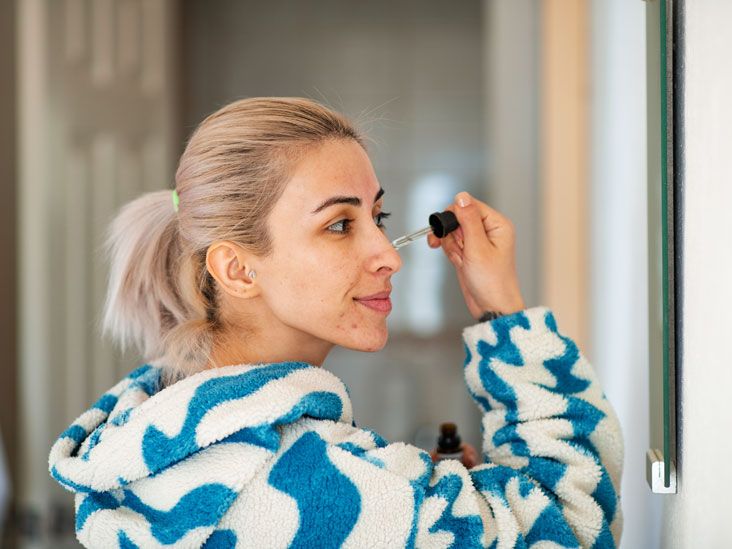
Acne is a very common skin condition that most often affects the skin on your face. It causes inflammation and breakouts of pimples, potentially leading to scarring and dark patches. It occurs due to blocked pores, often from a buildup of oil, dead skin cells, or even bacteria.
Hyaluronic acid is common in many over-the-counter (OTC) skin care serums and moisturizers. It’s a natural ingredient that can help provide your skin with more moisture, reduce the appearance of wrinkles, and help the skin appear more plump and youthful. It may also be able to help reduce the appearance of acne.
————–
Need a diagnosis or prescription for acne? You can get discreet and expert on-demand care in as little as 15 minutes through Optum Perks. For $39, answer a few questions online and get a treatment plan from a US-licensed healthcare professional. Get started here.

Benefits of hyaluronic acid
Hyaluronic acid is a naturally occurring substance found in skin and connective tissue. It binds with water, helping skin cells retain moisture. This makes your skin plumper and more hydrated, making it appear healthier.
It also supports collagen and elastin production, which are essential to keep your skin firm and elastic. When your skin loses elasticity, it increases the appearance of wrinkles and aged skin. Your skin naturally loses hyaluronic acid with age, so products containing it can help restore balance.
Another benefit of hyaluronic acid is that it can help with wound healing. According to some 2024 research, hyaluronic acid can help heal wounds by creating a hydrating environment, improving skin integrity, encouraging the skin to regenerate over the wound, and allowing cells to grow and migrate in the area.
In addition, it may have antibacterial and anti-inflammatory properties, which are also beneficial for wound healing.
Hyaluronic acid for acne
Hyaluronic acid isn’t considered a treatment for acne, and it won’t be able to clear up the condition on its own. However, it may have some benefits for your skin if you have acne.
For example, hyaluronic acid is known for its anti-inflammatory properties. Inflammation plays a key role in acne, particularly in the development of symptoms like pain, swelling, and breakouts.
Hyaluronic acid may also help improve the appearance of acne scarring. According to some 2018 research, injections of hyaluronic acid can fade the appearance of acne scars and improve the overall appearance of the face. However, it’s unclear whether topical hyaluronic acid serums can have the same effect.
Another consideration is that many common acne treatments — especially isotretinoin — can be very dehydrating for the skin. Hyaluronic acid can restore the skin’s moisture without interfering with the treatment.
Are there any risks of using hyaluronic acid?
According to research, topical hyaluronic acid is generally very safe and effective, with very few associated side effects. However, you may notice a hypersensitivity reaction if you are allergic to an ingredient in hyaluronic acid serum. Symptoms of these include:
- redness or discoloration
- pain
- swelling
- itching
If you notice this, stop using the product and wash your face immediately. You might also want to discontinue the product if you notice that it worsens your acne.
Acne treatments
The first step in treating acne may be to try OTC remedies. Alongside hyaluronic acid serums, some of the most common include:
- Retinoids: These are molecules derived from vitamin A. Mild OTC products can help with skin conditions. For example, you can use retinol and adapalene (Differin) to help manage acne.
- Benzoyl peroxide: Many OTC acne products contain benzoyl peroxide, starting at around 2.5% strength. This can help manage your symptoms.
- Azelaic acid: Azelaic acid may help manage your symptoms and fade hyperpigmentation.
- Salicylic acid: Salicylic acid is another common ingredient in OTC acne products, like cleansers and creams. It can help unclog your pores.
If OTC options don’t work for you, or if your acne is severe, you might consider prescription medications.
In some cases, a doctor may prescribe antibiotics to apply directly to the skin, such as clindamycin 1% (Cleocin) or erythromycin 2% (Erythrocin). In more severe cases, a doctor might use oral antibiotics, like doxycycline (Vibramycin Hyclate) or minocycline (Minocin).
Another common medication for acne is isotretinoin. This is a very strong retinoid, and doctors mostly recommend it for very severe or recurrent acne or acne that hasn’t responded to other treatments.
————-
If you need help covering the cost of medications, the free Optum Perks Discount Card could help you save up to 80% on prescription drugs. Plus, you can now get them delivered to your home in as little as 3 days. Search for your medication here.

Free prescription coupons
Seriously … free. Explore prices that beat the competition 70% of the time.
Get free cardOnline care for acne
Hyaluronic acid may have many benefits for acne-prone skin, but it can’t treat the condition directly. You can speak with a doctor about the right medication for you if your acne is severe or keeps coming back.
Online care services, including Optum Perks Online Care, may make getting treatment easier. With these services, you can submit an online form answering a few questions about your symptoms, and a US-licensed healthcare professional will respond soon after to prescribe a treatment plan.
Summary
Hyaluronic acid is a molecule that your body naturally produces. It helps keep your skin elastic and firm, and it can help with moisturization. Your body produces less hyaluronic acid as you age, but the molecule is available in creams and serums to apply to your skin.
It’s not a direct treatment for acne, but it can have many benefits for acne-prone skin, including reducing inflammation, reducing the appearance of scars, and increasing moisturization. It can also help with skin aging and reduce wrinkles.
—————
Download the free Optum Perks Discount Card to save up to 80% on many prescription medications. Plus, you can now get them delivered to your home in as little as 3 days. Search for your medication here.