


Gabapentin is approved by the Food and Drug Administration (FDA) to treat seizure disorders and different types of nerve pain.
It may also be prescribed off-label for several other conditions, including anxiety disorders, bipolar disorder, and sleep issues. Off-label use is when doctors prescribe a drug for a purpose other than what it’s approved for.
Gabapentin is generally considered to be safe when taken as prescribed under the supervision of a medical professional. However, there has been growing concern about the potential misuse of this drug. Misuse means taking a drug in a way other than how a doctor prescribes it.
Misusing gabapentin can greatly increase the risk of serious side effects, especially when taken together with opioid medications to boost the effect of these drugs.
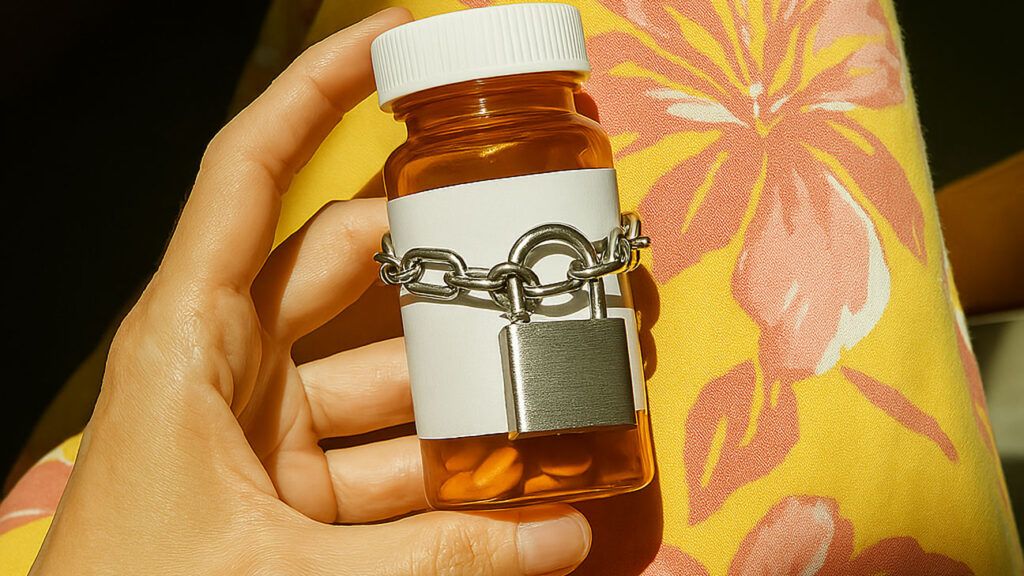
Because of the concern around potential misuse of the drug, some states have taken steps to classify gabapentin as a controlled substance.
—————-
Need a diagnosis or prescription quickly? Optum Perks offers personalized on-demand care in as little as 15 minutes. For $39, answer a few questions online and receive a diagnosis and treatment plan from a US-licensed healthcare professional. Get started here.

Is gabapentin a controlled substance in the United States?
In short, gabapentin is not currently classified as a controlled substance under federal law in the United States. This means, on a national level, gabapentin is not subject to the same regulations as some other drugs that are prone to misuse, such as:
- opioids
- benzodiazepines
- some stimulant drugs
However, as awareness of gabapentin misuse has grown, some states have taken steps to regulate gabapentin. As a result, gabapentin is now classified as a controlled substance in certain states.
In which states is gabapentin a controlled substance?
Several states have placed gabapentin in one of the schedules of controlled substances, usually Schedule V. This is the lowest level of control.
The following states were the first to classify gabapentin as a controlled substance:
- Kentucky
- Tennessee
- West Virginia
To date, the following states have also taken steps to classify gabapentin as a controlled substance:
- Alabama
- Michigan
- North Dakota
- Utah
- Virginia
Although gabapentin is not a controlled substance in the following states, there is stricter prescription monitoring for potential misuse. As of April 2025, these states include:
- Connecticut
- Indiana
- Kansas
- Massachusetts
- Minnesota
- Nebraska
- New Jersey
- Ohio
- Oregon
- Washington D.C.
- Wisconsin
- Wyoming
Note: This list is subject to change.
Certain factors, including patterns of misuse and local drug enforcement needs, determine each state’s decision.
—————
Download the free Optum Perks Discount Card to save up to 80% on many prescription medications. Plus, you can now get them delivered to your home in as little as 3 days. Search for your medication here.
Free prescription coupons
Seriously … free. Explore prices that beat the competition 70% of the time.
Get free cardHow are controlled substances classified?
The U.S. Drug Enforcement Administration (DEA) classifies controlled substances into five distinct schedules or categories.
Schedule I drugs are considered the most dangerous and have no accepted medical use (for example, heroin).
Schedule V drugs are defined as having a lower potential for misuse and are the least restrictive. Gabapentin is a Schedule V drug in states where it’s classified as a controlled substance.
Despite its increasing use, especially for off-label purposes, gabapentin typically does not have the same potential for misuse or dependence as some other drugs, such as opioids or benzodiazepines. This is one of the reasons it has not been classified as a controlled substance at the federal level.
Summary
Although gabapentin is typically considered to be safe when taken as prescribed, there has been growing concern about the potential misuse of this drug.
Gabapentin is not classified as a controlled substance under federal law in the U.S. But some states have classified it as a controlled substance at state level. Several other states have put stricter measures in place to monitor for potential misuse of gabapentin prescriptions.
If you have questions about whether gabapentin is a controlled substance in your state, talk with your doctor or pharmacist.