


A cough is a sudden expulsion of air from the lungs to clear the airways of irritants or mucus. Coughing when you’re trying to sleep is common and may be disruptive to your rest.
Common causes of coughing at night may include:
- Postnasal drip: Excess mucus drips down the throat, typically due to allergies, sinus infection, or a cold.
- Asthma: Airway inflammation leads to coughing, which worsens in the nighttime.
- Gastroesophageal reflux disease (GERD): Stomach acid flows back into the esophagus triggering coughing at night.
- Infections: Respiratory infections like bronchitis or flu may intensify nighttime coughing.
- Environmental irritants: Allergens or pollutants in your place of rest may irritate the airways.
- Chronic conditions: Chronic obstructive pulmonary disease (COPD) may manifest with persistent nighttime cough.
Depending on the cause of your coughing at night, one or more solutions may help alleviate the discomfort. Exploring and addressing the underlying cause is always the preferred approach.
Why does coughing intensify at night?
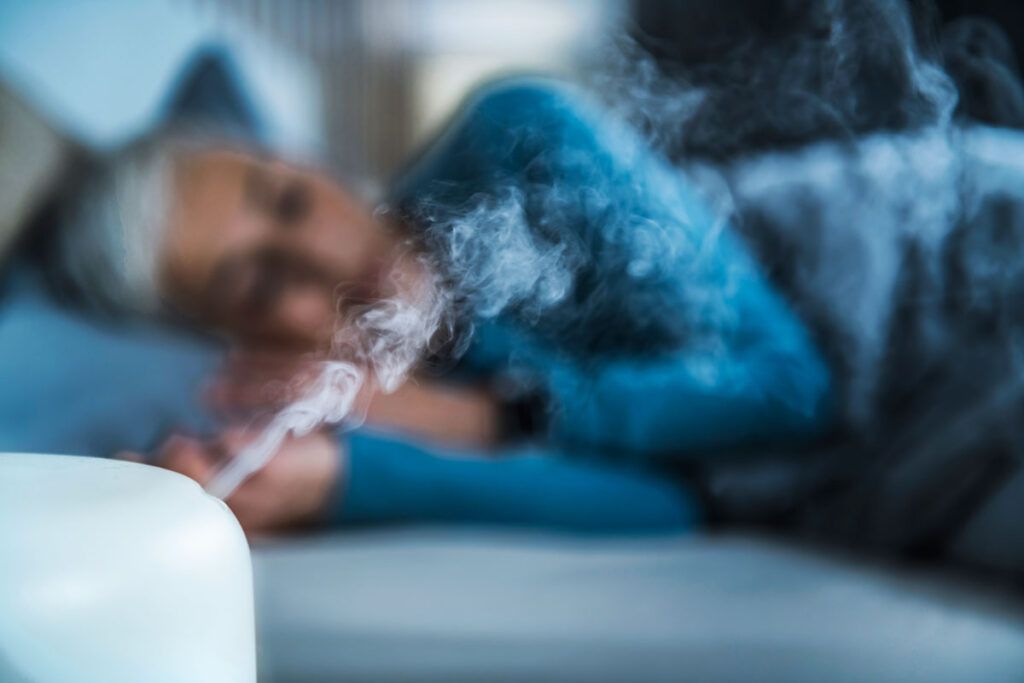
At night, your cough may worsen or become more persistent due to several factors. While you’re sleeping at night, excessive mucus due to postnasal drip may accumulate in your throat and airways when you lie down, leading to irritation and triggering coughing.
Symptoms may also worsen during sleep if you have allergies or respiratory conditions like asthma. Allergens, such as dust mites or pet dander in your bedding, may irritate your airways and increase the frequency of your cough.
If temperatures are cooler or drier at bedtime, this may also contribute to increased coughing if you have allergies or a cold.
Additionally, in the quiet and stillness of the night, you may become more aware of your cough, making you think your coughing is worse. Anxiety about increased coughing may also lead to more coughing.
Need a diagnosis or prescription for an upper respiratory infection (URI)? You can get discreet and expert on-demand care in as little as 15 minutes through Optum Perks. For $29, answer a few questions online and get a treatment plan from a US-licensed healthcare professional. Get started here.

7 strategies to stop coughing at night
Depending on the cause of your nighttime cough, some of these strategies may provide temporary comfort.
Elevating your head
Trying extra pillows to elevate your head while sleeping may help reduce postnasal drip and throat irritation.
Using a cool mist humidifier
Using a humidifier in your bedroom may reduce dryness in your throat and ease congestion and coughing caused by dry air or respiratory problems. This may be particularly helpful for children.
Staying hydrated
Drinking fluids throughout the day, especially warm liquids like water, herbal teas, or broths, may soothe your throat and thin mucus, making it easier to cough up if needed.
Avoiding irritants
Exposure to smoke, strong odors, allergens, and other irritants may trigger or worsen coughing. Keeping your bedroom clean and free of dust and air odorizers can help minimize potential triggers.
Steam inhalation
Inhaling steam may moisturize airways, loosen mucus, and ease coughing for some people.
You can do this by leaning over a bowl of hot water with a towel partially covering your head to trap the steam. Breathe deeply for a few minutes before bedtime.
Steaming might not be recommended for everyone. Consulting a health professional is advised if you’re considering this option.
Honey and lemon
Drinking lemon juice and honey may help stop coughing for a few hours at night. Lemon’s vitamin C and honey’s antimicrobial effects may reduce throat irritation and calm cough reflexes, promoting better sleep.
Cough medications
Using cough syrup at bedtime may help relieve cough and improve sleep quality for some people. However, whether you should use cough syrup at night depends on the cause of your cough and the specific medication you are considering.
Cough syrup may suppress mucus and cough and promote restful sleep. However, suppressing your cough is not always recommended and may depend on its causes.
Medical support is highly advised if you live with a chronic respiratory condition or have a persistent cough that does not resolve with natural remedies.
You should never use cough syrup at night if you do not have a cough. Additionally, if the cough syrup contains ingredients that may interact with other medications you take or if you have any medical conditions, consider talking with a doctor before using any cough-suppressing syrups.
If a common cold or flu causes your cough, a doctor may recommend:
- over-the-counter (OTC) medications like Robitussin
- prescription medications like promethazine (Phenergan)
If allergies or sinus congestion causes your cough, a doctor may recommend the following:
- OTC medications like guaifenesin (Mucinex)
- prescription medications like fluticasone propionate (Flonase) and triamcinolone acetonide (Nasacort AQ)
If asthma or bronchitis causes your cough, a doctor may recommend:
- prescription medications like bronchodilators albuterol (ProAir HFA) and inhaled corticosteroids fluticasone
If GERD causes your cough, a doctor may recommend:
- OTC medications like antacids like calcium carbonate (Tums)
- prescription medications like proton pump inhibitors (PPIs) omeprazole (Prilosec) and lansoprazole (Prevacid)
If you need help covering the cost of medications, Optum Perks’ free Discount Card could help you get up to 80% off prescription medication. See how much you can save on your medication here.

Free prescription coupons
Seriously … free. Explore prices that beat the competition 70% of the time.
Get free cardWhen to seek professional help
If your nighttime cough persists for more than 2 weeks or is accompanied by other symptoms, such as fever, chest pain, or shortness of breath, consider contacting a healthcare professional. They can identify the underlying cause and provide appropriate treatment.
Summary
Coughing at sleeping times can be frustrating and disruptive. However, lifestyle adjustments like elevating your head while sleeping or maintaining a clean and allergen-free resting environment may significantly reduce coughing episodes.
Cough medications may help but are not recommended for all cases of nighttime coughing.
Consider talking with a doctor if your cough persists, worsens, or manifests with other health symptoms.
Download the free Optum Perks Discount Card to save up to 80% on some prescription medications.