


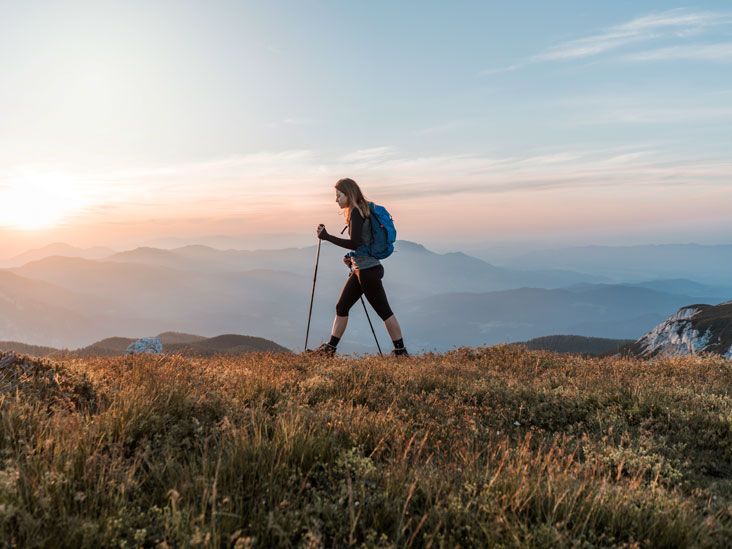
Altitude sickness, sometimes known as acute mountain sickness (AMS), can happen if you quickly climb to high altitudes. It can cause symptoms such as headaches, dizziness, nausea, and shortness of breath. These symptoms can vary in severity.
At high elevations, the air becomes thinner, meaning there’s less oxygen available, which can lead to altitude sickness. If you don’t give your body enough time to adjust to the conditions, your organs and tissues might not get the oxygen needed to work properly.
With the proper preparation, you can effectively prevent altitude sickness. This includes taking precautions to ensure your body can adjust, and you may even try some medications.
—————-
Need a diagnosis or prescription quickly? Optum Perks offers personalized on-demand care in as little as 15 minutes. For $39, answer a few questions online and receive a diagnosis and treatment plan from a US-licensed healthcare professional. Get started here.

Prevention strategies for altitude sickness
Altitude sickness generally occurs when you travel higher than 8,000 feet (ft). If you’re planning to travel to high altitudes — for example, if you’ll be climbing a mountain or staying at a ski resort — there are several ways you can help prevent it.
Acclimatization
Acclimatization is the term for gradually allowing your body to adjust to the higher altitudes. According to the Centers for Disease Control and Prevention (CDC), your body is capable of adjusting to elevations up to 17,000 ft, but the process takes time.
If you’re climbing to high altitudes, the CDC recommends you avoid climbing higher than 9,000 ft above sea level in a day. Aim to spend a few days at around 8,000 ft before climbing any higher. This lets your body get used to the lower oxygen levels.
Once you’re above 9,000 ft, aim to climb no higher than 1,600 ft per day. Every 3,300 ft you climb, spend an extra day at that height to adjust.
Avoid strenuous activities during the acclimatization stage. Allow your body to adjust gradually and reduce your activity levels while this happens.
Consider your diet
A healthy, balanced diet is important to help your body cope with the demands of higher altitudes. Make sure you’re consuming enough calories, including carbohydrates, protein, and healthy fats.
It’s also important to stay properly hydrated at all times. Drink plenty of fluids, preferably water. The CDC also recommends avoiding alcohol for the first 48 hours at elevated heights.
Preventive medications
In some cases, acclimatization may not be possible when traveling to high altitudes, such flying to destinations more than 8,000 ft above sea level. In these cases, doctors might prescribe medications to prevent altitude sickness.
Acetazolamide is a type of medication called a diuretic. Research suggests that it’s the most effective drug to prevent altitude sickness. The dosage is usually 125 milligrams (mg) every 12 hours, starting 3 days before ascending to the planned elevation until you begin your descent.
Other medications that doctors may use for prevention include:
- dexamethasone (Decadron)
- ibuprofen (Advil)
- nifedipine (Procardia XL)
————-
If you need help covering the cost of medications, the free Optum Perks Discount Card could help you save up to 80% on prescription drugs. Plus, you can now get them delivered to your home in as little as 3 days. Search for your medication here.

Free prescription coupons
Seriously … free. Explore prices that beat the competition 70% of the time.
Get free cardComplications of altitude sickness
Most cases of altitude sickness are categorized as AMS. These cases are generally mild and resolve on their own over the course of around 3 days. You’ll likely notice the following symptoms:
- headaches
- dizziness
- fatigue
- nausea
Rarely, AMS can develop into more serious conditions: high-altitude cerebral edema (HACE) and high-altitude pulmonary edema (HAPE).
HAPE is where your lungs fill with fluid due to the high altitudes. It can cause the following symptoms:
- cough
- chest congestion
- breathlessness
- confusion
- drowsiness
Without treatment, the condition can rapidly become very serious and may even be fatal.
HACE is when fluid builds up in your skull, leading to brain swelling. It can happen on its own or due to HAPE. It often causes neurological effects, such as:
- confusion
- drowsiness
- an altered mental state
- ataxia (loss of muscle control)
HACE and HAPE are rare, but if you notice their symptoms, descend from your altitude as soon as possible.
Treating altitude sickness
There are different methods of treating altitude sickness depending on the severity of your condition. The most important thing to remember is if you’re noticing very severe symptoms or suspect HAPE, descend immediately.
You can often manage mild cases of altitude sickness by remaining at your current elevation and resting. Supplemental oxygen over a few hours can help reduce symptoms, but this isn’t always available.
You can also use over-the-counter medications, such as ibuprofen, to relieve your symptoms, or you may have a prescription for ondansetron, which can relieve nausea.
While you can take acetazolamide to relieve symptoms, it’s better to take it for prevention. Dexamethasone may be more effective at treating your symptoms.
Treatment for HACE usually involves supplemental oxygen and dexamethasone, if available. If not, it is essential to rapidly descend, alongside accessing oxygen and dexamethasone as soon as possible.
For HAPE, it’s usually urgent and essential to descend as soon as possible. Administer oxygen and avoid exertion. You can also take nifedipine.
Do not climb higher if you notice any symptoms of AMS, HACE, or HAPE.
Summary
Altitude sickness, also known as acute mountain sickness (AMS), occurs when you climb too quickly to high altitudes where the air is thinner. When your body isn’t used to the lower oxygen levels, you may experience symptoms like headaches, nausea, and dizziness.
If you climb slowly and allow your body to get used to the changing altitude, you can usually effectively prevent AMS. If you won’t be able to acclimatize slowly to high altitudes, you can also take acetazolamide.
If you’re noticing symptoms of AMS or its complications, don’t climb any higher. If your symptoms are severe, descend as soon as possible.
—————
Download the free Optum Perks Discount Card to save up to 80% on many prescription medications. Plus, you can now get them delivered to your home in as little as 3 days. Search for your medication here.