


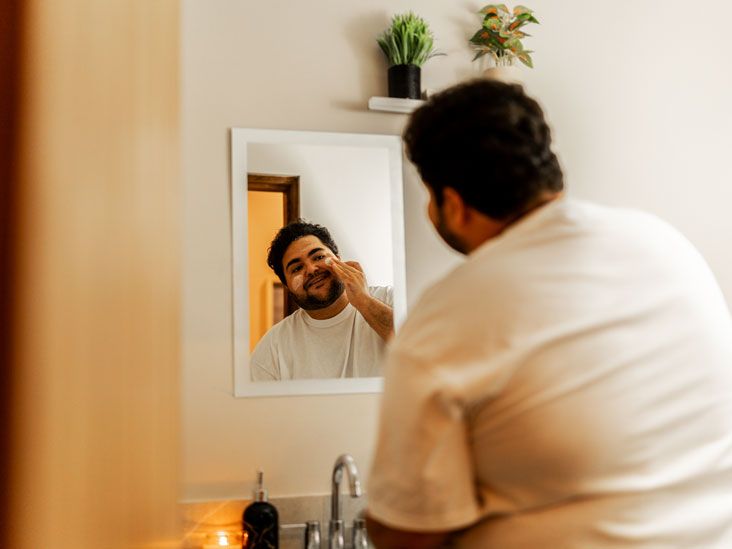
Fungal acne is also known as Malassezia folliculitis or pityrosporum folliculitis. It’s an infection in your hair follicles due to an overgrowth of yeast.
Fungal acne most commonly appears as small whitehead pimples, along with skin irritation and itching. It might look similar to acne vulgaris, which also causes pimples, and may sometimes be misdiagnosed as such. But fungal acne has its own distinct causes and treatments.
Some home remedies may help get rid of fungal acne. If medication is needed, doctors might prescribe antifungal drugs. It’s important to also address any factors that put you at risk of fungal acne to prevent it from coming back.
Need a diagnosis or prescription quickly? Optum Perks offers personalized on-demand care in as little as 15 minutes. For $29, answer a few questions online and receive a diagnosis and treatment plan from a US-licensed healthcare professional. Get started here.
Medications for getting rid of fungal acne
As fungal acne is a skin condition, you apply topical treatments directly to the affected area. According to some 2023 recommendations, the primary recommended treatment is topical therapy with a group of antifungals known as azoles. Treatment may last up to 4 weeks, with the ointment applied 1 to 2 times per day.
Some examples of azoles include:
- clotrimazole (Lotrimin)
- ketoconazole (Extina)
- miconazole (Micatin)
Topical antifungals are generally well-tolerated, with fewer side effects than oral medications. Long-term use might lead to more side effects, such as burning of your skin.
Many topical antifungals are available over the counter (OTC), meaning you don’t need a doctor’s prescription to buy them. These will be in a lower strength than prescription alternatives and often contain clotrimazole or ketoconazole.
But if OTC strengths aren’t effective, consider speaking with a doctor about stronger alternatives.
To manage fungal acne, you may try other topical medications that aren’t azoles. These include:
- selenium sulfide
- propylene glycol
- sulphur soap
- ciclopirox gel or cream
In many cases, doctors might recommend stronger oral antifungal medications that come in pill form, known as systemic treatment. Some of these include:
- fluconazole (Diflucan)
- itraconazole (Sporanox)
- posaconazole (Noxafil)
Some research suggests that systemic treatment may be more effective than topical treatment alone.
If you need help covering the cost of medications, the free Optum Perks Discount Card could help you save up to 80% on prescription drugs. Plus, you can now get them delivered to your home in as little as 3 days. Search for your medication here.
Free prescription coupons
Seriously … free. Explore prices that beat the competition 70% of the time.
Get free cardHome remedies for fungal acne
Because the condition is caused by a fungal infection, it’s important to treat it with the proper medications to get rid of the fungus and prevent it from coming back. There are also some home remedies that may help aid your healing and reduce unpleasant symptoms.
- Keep the area clean and dry: Thoroughly washing the affected area, especially after working out, can help wash away excess yeast that may be growing. Making sure you dry the area completely is also important to prevent further growth of the fungus.
- Consider loose, breathable clothing: Fungus growth thrives in moist, warm environments, so loose, breathable fabrics can help decrease fungus growth. Loose clothing may also help reduce itching.
There are also some natural compounds that may have an antifungal effect when applied to the affected area. One 2019 study suggests that plant extracts like aloe vera, lemon extract, and hibiscus leaf have antifungal properties.
Although the study focused on dandruff, it looked at the effects of compounds on Malassezia, which also causes fungal acne.
Some essential oils may also have antifungal activities. One 2017 study suggests that Citrus auranifoli and Thapsia villosa may be effective against Malassezia yeast. Make sure you always dilute essential oils before using them on your skin.
How to tell if it’s fungal acne or acne vulgaris
While the symptoms of fungal acne may mimic those of acne vulgaris (the most common form of acne), there are several key differences to look out for:
- Causes: Both conditions occur due to blocked hair follicles. But fungal acne is caused by fungal growth, while acne vulgaris is more commonly caused by bacteria. If a doctor suspects fungal acne, they might do a skin biopsy to diagnose it.
- Location: Both conditions can affect different parts of your body. But acne vulgaris is likely to appear on your face, while fungal acne often affects your upper back and chest.
- Symptoms: Both conditions can cause small pimples, but fungal acne is likely to cause itching, while acne vulgaris does not.
Online care for fungal acne
Seeking treatment is essential to get rid of fungal acne — and to stop it coming back for good. Antifungal medications are very common, but many need a doctor’s prescription.
Online care services, including Optum Perks Online Care, may make getting treatment easier. With these services, you can submit an online form answering a few questions about your symptoms, and a US-licensed healthcare professional will respond soon after to prescribe a treatment plan.
Summary
True to its name, fungal acne results from an overgrowth of fungus. So you’ll likely need to take antifungal medications to get rid of it.
Topical antifungals are sometimes available OTC and are applied directly to the affected area. If these don’t work, a doctor might prescribe stronger topical medications or oral antifungals.
Alongside medications, consider self-care measures like keeping the area clean and dry and wearing loose, breathable clothing.
Download the free Optum Perks Discount Card to save up to 80% on many prescription medications. Plus, you can now get them delivered to your home in as little as 3 days. Search for your medication here.