


Key takeaways
- The safest way to dispose of prescription medications, over-the-counter (OTC) drugs, and supplements is to drop them off promptly at a permanent or temporary collection site. This helps prevent misuse, accidental poisoning, and environmental contamination.
- If you can’t access a drop-off location, you may flush certain high risk medications (like methadone, oxymorphone, or methylphenidate) down the drain only if they’re on the Food and Drug Administration (FDA) flush list. Otherwise, mix medications with inedible substances like cat litter or coffee grounds, seal them in a container, and place them in household trash.
- Remove personal information from prescription labels before disposal, and never place used syringes in regular trash. Instead, use designated sharps containers and follow community guidelines for hazardous waste collection or mail-back services.
Overview
In most cases, it’s best not to keep any expired or unused medication. Tossing them in the bin or flushing them down the drain may not be appropriate in all cases.
Improperly discarding unused medications may pose some risks, such as:
- increasing the chance of misuse if someone finds them
- poisoning children, wildlife, or pets that may gain access to the discarded medications
- contaminating the environment, like water sources and soil
- accidentally using the wrong medication
To avoid these risks, it’s essential to follow safe medication disposal methods. This National Prescription Drug Take Back Day, consider taking stock of your medications and learning how to safely dispose of any you no longer need.
—————-
Need a diagnosis or prescription quickly? Optum Perks offers personalized on-demand care in as little as 15 minutes. For $39, answer a few questions online and receive a diagnosis and treatment plan from a US-licensed healthcare professional. Get started here.

What is National Prescription Drug Take Back Day?
Each year, the United States Drug Enforcement Agency (DEA) sponsors two National Prescription Drug Take Back Days: one in the spring and one in the fall. The next one is April 25, 2026. This program allows free, anonymous disposal of unused or expired medications at designated drop-off points.
There are several benefits of this program:
- preventing addiction or misuse by removing unused pills from the home
- reducing the risk of children accidentally taking unused medication
- preventing medication from being stolen
- keeping drugs out of water supplies and landfills
You can search for a collection site on the DEA website.
How should medications be disposed of?
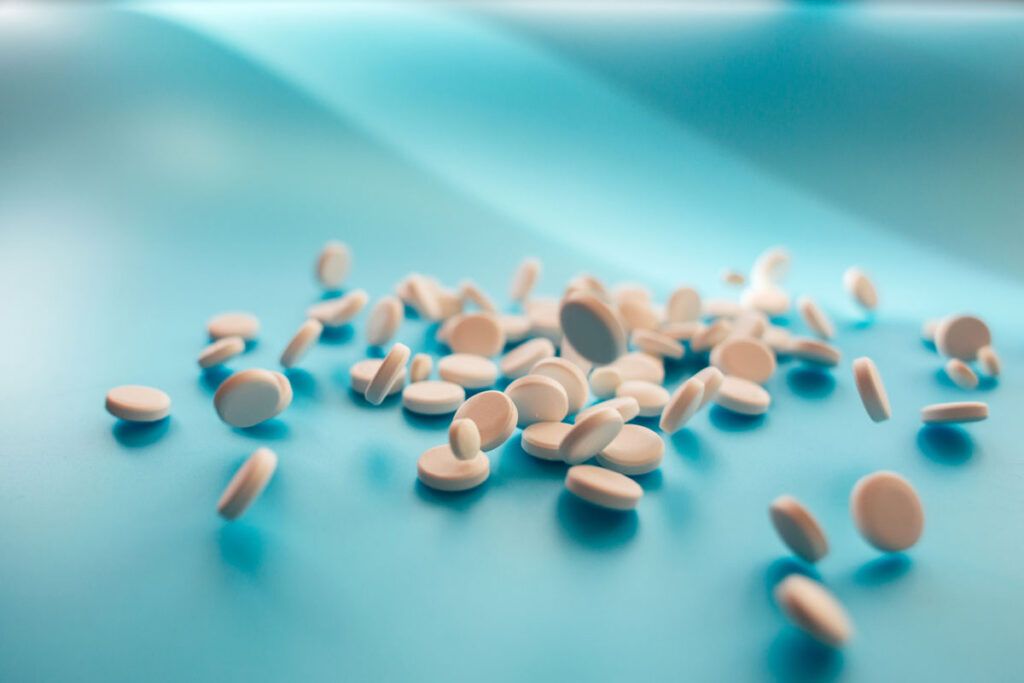
In the United States, there are several ways you can safely dispose of prescription and over-the-counter (OTC) medications, as well as vitamins and supplements.
Option 1: Prompt drop off at a permanent collection site
The Food and Drug Administration (FDA) emphasizes that the best approach in all cases of medication disposal is to drop off drug containers at a take-back collection site.
You should ideally dispose of medications as soon as they expire or when you no longer need them.
Before dropping the medication off at a collection site, remove any personal information that appears on the packaging, like your name and prescription numbers.
You can find your local permanent collection locations on the DEA website. Your local department of health may also have this information posted on their sites, including the dates of periodic medication disposal with mobile collection sites.
Option 2: Drop off at a temporary collection site
If there isn’t a permanent drop-off location close to you, you can keep an eye out for regular pop-up medication disposal and collection sites.
For example, a temporary drop-off location may open up near your home on the annual National Prescription Drug Take Back Day.
Some local pharmacies may also offer medication disposal sites during specific times of the year.
Option 3: Flush certain medications down the drain
If you cannot promptly access a drop-off location, you may be able to flush certain medications down the toilet. This does not apply to all medications, though.
Disposing of medications is particularly important if they have the potential to:
- be misused
- cause serious harm or death if taken by accident
The FDA has created a flush list of medications that can be flushed down the drain, only if you have no other way of disposing of them.
Some of the medications on this list are:
- buprenorphine (Belbuca)
- methadone (Methadose)
- methylphenidate (Ritalin)
- oxymorphone (Opana)
- sodium oxybate (Xyrem)
- hydromorphone ER (Dilaudid)
————-
If you need help covering the cost of medications, the free Optum Perks Discount Card could help you save up to 80% on prescription drugs. Plus, you can now get them delivered to your home in as little as 3 days. Search for your medication here.

Free prescription coupons
Seriously … free. Explore prices that beat the competition 70% of the time.
Get free cardOption 4: Discard with your household trash
If you cannot access a drop-off point and the medication is not on the FDA flush list, you may be able to dispose of it with your household trash.
However, for your and other people’s safety, you must follow a few steps before doing so.
Here are some key points to consider, as instructed by the Commonwealth of Massachusetts and the FDA:
- Make the medications difficult to consume: For instance, dissolve all pills and capsules in vinegar, soda, or other liquids. Mix liquid medications with cat litter, coffee grounds, or sand. The more inedible and dissolved you can make the medication, the better.
- Keep the medication in a sealed container: You may keep the medication in the original container. This way, someone who may accidentally consume the drug can identify it and seek appropriate treatment. Alternatively, you can transfer the medication to a separate sealed container, like an empty margarine tub. Dissolve the medication and seal the container with tape. Do not put any disposed of medication in recycling bins.
- Remove personal information: Whether you dispose of vials, pills, or other medications, it’s best to remove any personal information from the container. You can use a permanent marker or scratch off any labels or stickers.
- Don’t bin syringes: Place used syringes in a designated sharps container. From there, follow community guidelines on further disposal. For instance, you may be able to drop them off at a hazardous waste collection site or use a mail-back service. You can find more info on this SafeNeedleDisposal website.
What about supplements and vitamins?
To help keep people and the environment safe, the FDA explains that you should follow the same guidelines for dietary supplements and vitamins as you do with OTC and prescription medications.
This includes:
- multivitamins
- individual vitamins
- herbal supplements
- minerals
- anything else labeled as a supplement or natural remedy
How not to dispose of medications
When disposing of any type of medication:
- Do not flush medications down the drain unless they are on the FDA flush list and you don’t have access to a drop-off location. Remember, the safest option is always to drop medications off at collection sites.
- Do not toss medications in your bin if they are on the flush list.
- Do not place medications in the household trash without first making them unconsumable and placing them in sealed containers.
Improper drug disposal practices may harm people, animals, and the environment. It could also introduce drugs into the community’s water supply, potentially harming aquatic life and contaminating drinking water sources.
Summary
The safe disposal of medication helps ensure your own safety, the safety of others, and the environment.
Whether you’re dealing with prescription medications, OTC drugs, or dietary supplements, follow the recommended disposal options, including drop-offs at collection sites, flushing, or using trash bins. Remember to follow safety guidelines for each of these methods.
—————
Download the free Optum Perks Discount Card to save up to 80% on many prescription medications. Plus, you can now get them delivered to your home in as little as 3 days. Search for your medication here.