


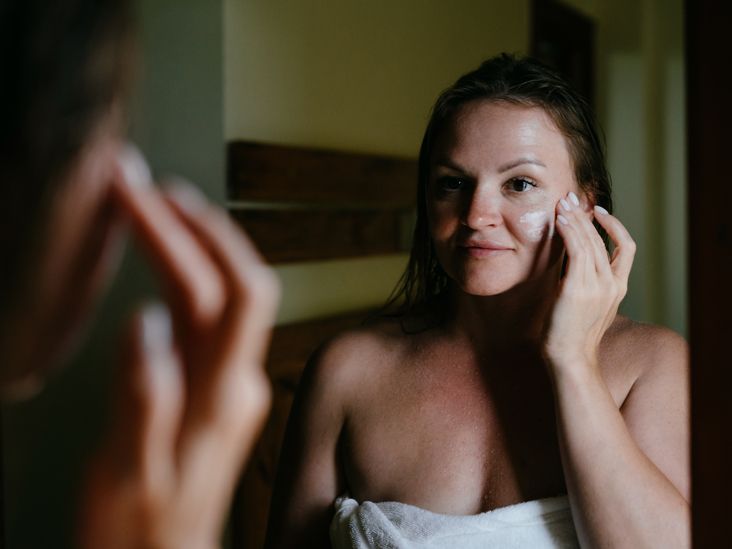
Doctors commonly prescribe tretinoin to treat acne, hyperpigmentation, acne scars, and signs of aging.
While you typically need a prescription for tretinoin, milder forms like retinol and adapalene are available over-the-counter (OTC).
Most people see noticeable results within 2 to 3 weeks of regular use. It may take around 12 weeks to see more significant improvements, though this can vary.
—————-
Need a diagnosis or prescription quickly? Optum Perks offers personalized on-demand care in as little as 15 minutes. For $39, answer a few questions online and receive a diagnosis and treatment plan from a US-licensed healthcare professional. Get started here.

How long does it take to see results with tretinoin?
It typically takes 2 to 3 weeks to start seeing results with tretinoin, though this may vary depending on your skin type, the condition you’re receiving treatment, and how often you use tretinoin.
- Acne: Tretinoin helps unclog pores, which reduces breakouts and can prevent new ones from forming. Most people start seeing results within 2 to 3 weeks. However, it’s typical for acne to worsen before getting better as your pores clear out.
- Hyperpigmentation: Doctors often use tretinoin to help treat dark spots. Sun damage or previous acne may cause these dark spots, known as hyperpigmentation. You may see a difference in the dark spots after about 4 weeks. You may see even more improvement over several months as you continue using tretinoin regularly.
- Aging support: Tretinoin helps reduce fine lines and improves skin texture, making your skin look smoother and firmer. You may start noticing some changes as early as 4 weeks.
- Acne scars: Tretinoin can help reduce mild acne scars by boosting collagen, which smoothens and evens skin texture. Research shows that daily use of tretinoin for 4 months helped fade acne scars, though more studies are needed to confirm these findings.
How do you know if tretinoin is working?
You may notice changes that show tretinoin is working, such as:
- Reduced breakouts: Fewer and smaller breakouts occur as tretinoin unclogs pores and reduces inflammation.
- Less hyperpigmentation: Dark spots due to acne or sun exposure may gradually fade, creating a more even skin tone.
- Smooth texture: Your skin may feel softer and smoother as dead skin cells shed more quickly.
- Reduced fine lines: Fine lines may not be as visible as collagen production increases and skin elasticity improves.
These improvements typically happen slowly over time.
How long does tretinoin purging last?
Purging is a temporary phase where skin conditions, especially acne, appear to worsen as your pores clear up. The duration of tretinoin purging may be different for each person.
Some people may experience a tretinoin purge that lasts only a few weeks, while others may undergo a longer period.
In general, the purging phase can last 4 to 6 weeks. If purging lasts longer than 6 weeks, talk with your doctor or dermatologist.
What if it doesn’t work?
Tretinoin usually requires consistent use for at least 3 months before you can determine whether it’s working.

Free prescription coupons
Seriously … free. Explore prices that beat the competition 70% of the time.
Get free cardHowever, if you don’t notice any improvement after 3 months, or if your symptoms have worsened with ongoing irritation or breakouts, talk with your doctor or a dermatologist.
They can take another look at your condition to see if you need to adjust your dosage. Or, they may decide that you need to try tretinoin for a longer period of time. Alternatively, they may prescribe another treatment or a different treatment approach.
Possible alternatives can include:
- Other retinoids: Your doctor may recommend prescription retinoids such as adapalene or tazarotene.
- Topical antibiotics: Medications like clindamycin or erythromycin may help in treating acne.
- Oral medications: For severe cases of acne, your doctor may prescribe hormonal therapies like birth control pills, oral antibiotics, or isotretinoin (Accutane).
- Other acne treatments: Depending on your skin concern, your doctor may suggest OTC options like salicylic acid or benzoyl peroxide.
—————
Download the free Optum Perks Discount Card to save up to 80% on many prescription medications. Plus, you can now get them delivered to your home in as little as 3 days. Search for your medication here.
Summary
Doctors commonly prescribe tretinoin for treating acne, hyperpigmentation, signs of aging, and mild acne scars. Depending on the skin condition you are using tretinoin for, you may need 2 to 4 weeks to see results. It may take longer to notice improvements with some types of conditions.
While OTC options like retinol are available for milder skin conditions, tretinoin’s stronger formula offers more effective results when you use it regularly.
If you don’t see results after 3 months, talk with your doctor or dermatologist. They may adjust your routine or recommend alternative treatments.