


Shingles, also known as herpes zoster, is caused by the varicella-zoster virus. It is an infection that develops in people that have had chickenpox. After you recover from chickenpox, the virus can stay in your nerve cells. If it reactivates, it triggers a painful skin rash that lasts about 4 weeks.
Typically, you will only experience shingles once, but in some people, the virus can reactivate several times.
Up to 18% of people who experience shingles develop other symptoms like postherpetic neuralgia (PHN), which can last longer than the visible symptoms. PHN is where your nerves become damaged, causing long lasting pain.
How long does it usually last?
You may notice tingling, pain, or numbness at least 48 hours before a shingles rash appears. For most people, it takes between 2 and 4 weeks from the time the rash first appears until it completely heals. The blisters begin to scab after 7 to 10 days, then dry and heal.
If you get medical advice quickly, you can receive treatments like antiviral medications. These can help shorten the length of time you experience shingles as well as the severity of symptoms. These drugs help reduce pain and speed up your skin’s healing. They are most effective if you take them in the first 24 hours after noticing a rash.
PHN is the most common complication of a shingles infection. This is when the virus damages the nerves in the areas of the rash and causes long lasting pain. Your risk of developing PHN increases with age, and it is rare to develop it under the age of 40.
If you develop PHN, it can increase the time you take to heal from shingles. It can last from months to years. However, corticosteroid medications may help speed up recovery from PHN, especially if you take them alongside antivirals.
Some research from 2019 suggests that prednisone is a safe and effective medication to take during a shingles infection and can help reduce symptoms.
When to speak with a professional
As soon as you suspect you may have shingles, you should see a doctor. This could be when you notice a rash or when you feel pain and itching on one side of your body.
If you receive treatment quickly, your symptoms may be less severe, and your risk of complications such as PHN may reduce.
If you experience pain that persists after your rash has gone, it may be a good idea to speak with a doctor. You may need specialist treatment to help develop a pain management plan.
In some rare instances, shingles can develop on the face. This can cause long-term complications like blindness. If you suspect you have shingles on your face, seek immediate medical attention.
Can you get it more than once?
Shingles typically occurs in people over the age of 50 years, and the chance of developing it increases with age. While unusual, you can develop shingles more than once in your lifetime.
When shingles recurs, symptoms are generally the same, and breakouts are often in the same place as before.
You are more likely to experience shingles multiple times if you have a weakened immune system. Some older 2011 research notes that people with weakened immune systems have a 2.4 times higher chance of recurrence.
Prevention
While you cannot catch shingles from someone else, it is possible to transmit chickenpox. After having a chickenpox infection, the varicella-zoster virus can stay in some of your nerve cells. In about 1 in 3 people who have had chickenpox previously, this virus reactivates and causes shingles.
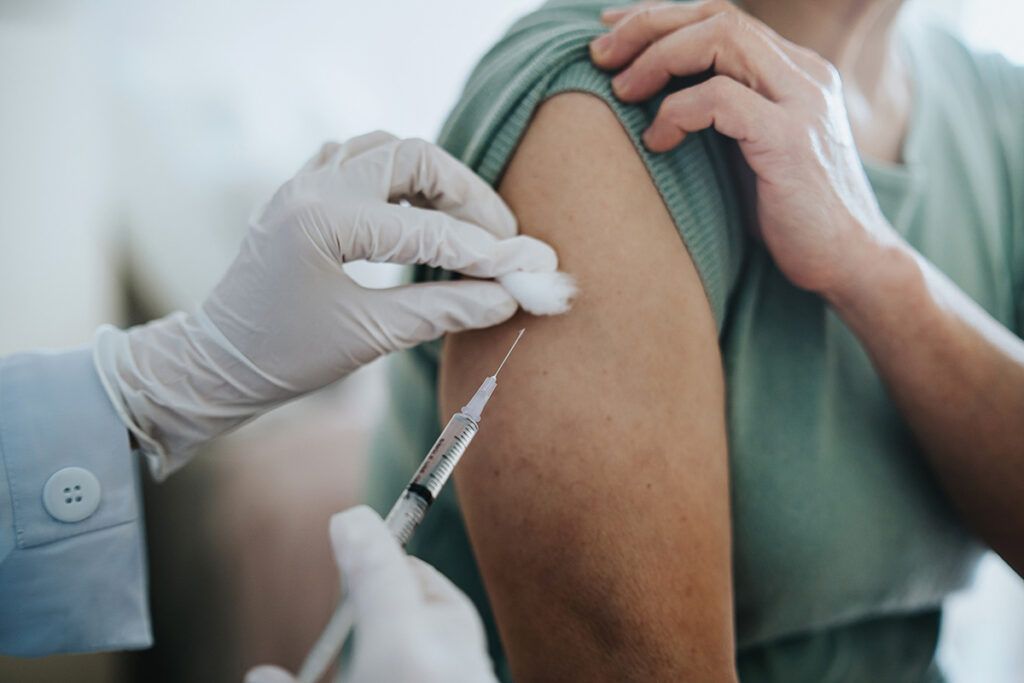
The shingles vaccine, Shingrix, can prevent you from developing shingles or reduce the severity of your symptoms if you do. The Centers for Disease Control and Prevention (CDC) recommends that everyone over the age of 50 get the vaccine, as well as those over the age of 19 who have weakened immune systems.
You should also get the vaccine if you:
- have already had chickenpox or the chickenpox vaccine
- had the previous shingles vaccine, Zostavax, which is no longer given
- have already had shingles
You may wish to avoid getting the vaccine if you:
- are sick or have a fever
- currently have shingles
- had an allergic reaction to the first dose of Shingrix
Treatment
Antiviral medications are the best way to reduce your recovery time from a shingles infection. If you get a prescription from a doctor soon after you first notice a shingles rash, these medications can also lessen the severity of your symptoms.
These antivirals include:
- amenamevir (Amenalief)
- brivudine (Zostex)
- acyclovir (Zovirax)
- valacylovir (Valtrex)
————–
Need a refill for valacyclovir (Valtrex)? You may be able to get an online prescription through Optum Perks in as little as 15 minutes. Learn more here.

Topical antibiotics are another prescription medication that can help your skin recover. Shingles rashes involve fluid-filled blisters that eventually burst. They are also itchy. These rashes are at risk of secondary infection, which can delay the skin healing even further. Applying a topical antibiotic can help prevent this from happening.
These can include mupirocin (Bactroban) and framycetin (Soframycin).
Pain management
Mild symptoms of shingles are typically manageable with over-the-counter pain relievers like ibuprofen (Caldolor) and codeine.
If your symptoms are severe, you may need prescription-strength pain medications. These can include opioids like hydrocodone (Vicodin).
You can try natural remedies at home to help ease symptoms, including oat baths to help soothe rashes. But it’s important to speak to a healthcare professional to receive a diagnosis. They can prescribe medical treatments to make sure the infection goes away as quickly as possible.
————-
If you need help covering the cost of medications, the free Optum Perks Discount Card could help you save up to 80% on prescription drugs. Plus, you can now get them delivered to your home in as little as 3 days. Search for your medication here.
Free prescription coupons
Seriously … free. Explore prices that beat the competition 70% of the time.
Get free cardFree prescription coupons
Seriously … free. Explore prices that beat the competition 70% of the time.
Get free cardSummary
The severity of shingles symptoms and the length of time they last can vary between individuals. It usually lasts for around 4 weeks. Recognizing the symptoms of shingles early can help you prevent severe symptoms and complications, like chronic PHN.
You should aim to visit a doctor as soon as possible after you notice shingles symptoms. Several types of medications can help reduce your recovery time. The shingles vaccine is the best way to avoid shingles and prevent any long-term symptoms like nerve pain.
—————
Download the free Optum Perks Discount Card to save up to 80% on many prescription medications. Plus, you can now get them delivered to your home in as little as 3 days. Search for your medication here.