


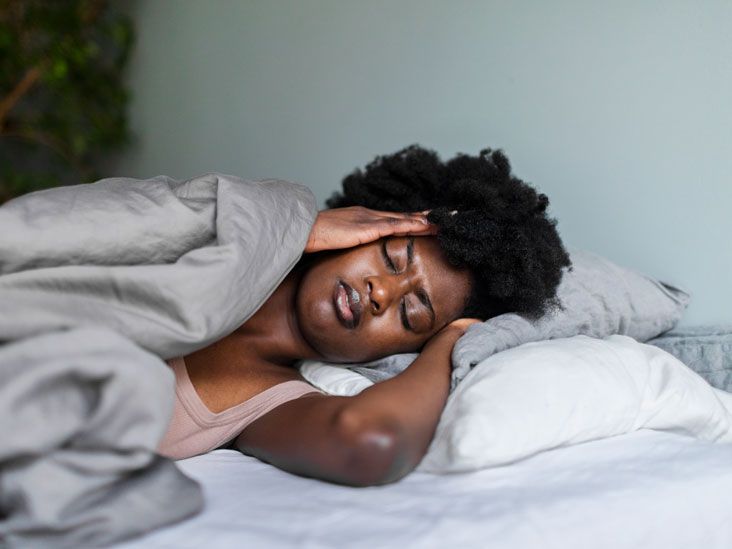
The timeline of a migraine episode or attack is different for everyone, and every episode may be different. Several factors can influence how long an attack lasts, including whether you take medication to treat it. Migraine attacks may last as long as several days, or they may clear up after only a few hours.
The symptoms of a migraine attack happen in stages, and each stage may last a different amount of time. Migraine attacks can be very painful, causing severe headaches on one side of your head and sensitivity to light.
—————-
Need a diagnosis or prescription quickly? Optum Perks offers personalized on-demand care in as little as 15 minutes. For $39, answer a few questions online and receive a diagnosis and treatment plan from a US-licensed healthcare professional. Get started here.

How long do attacks last?
According to the American Migraine Foundation (AMF), the entire length of a migraine attack — including the buildup phase before the main symptoms kick in and the recovery phase when the headache subsides — can last up to 1 week. However, it typically will only last 1 to 2 days.
The length of a migraine attack can depend on various factors, including the type of migraine. For example, you may experience migraine with or without aura. Migraine with aura is when your symptoms include sensory disturbances that often include vision changes, such as seeing flashes of light or foggy vision.
The painful headache phase of a migraine episode can last anywhere from 4 to 72 hours.
If you have continuous pain for longer than 72 hours, you may have a condition called status migrainosus, which is a complication of migraine. If you experience this, speak with a healthcare professional right away.
Stages of a migraine attack
Migraine attacks can generally involve four stages with different symptoms and durations:
- Prodrome: This phase can appear a few hours or days before a migraine attack. Some symptoms include irritability, frequent urination, food cravings, and fatigue. When you recognize the warning signs, you can prevent the migraine attack with over-the-counter (OTC) pain relievers and prescription medications like triptans.
- Aura: The characteristics of this migraine stage are numbness, tingling, and visual disturbances. This phase lasts from 5 minutes to an hour. Around 25% of people who experience migraine will sometimes have migraine with aura.
- Headache: The headache phase includes symptoms like throbbing pain on one side of your head, neck pain and stiffness, nausea, and vomiting. This phase can last from 4 to 72 hours. You can find relief with OTC pain relievers or prescription migraine medications like ditans, ergot derivatives, gepants, and triptans.
- Postdrome: This can last from 24 to 48 hours and is characterized by confusion, difficulty concentrating, and fatigue. Resting, taking medications, and staying hydrated can help decrease postdrome symptoms.
With these stages combined, the entire episode may last longer than 72 hours. However, not everyone experiences the prodrome, aura, or postdrome phase with every migraine attack.
Migraine treatment and prevention
The main treatments for migraine are split into two categories:
- acute (or abortive) treatments, which you take to treat and slow the progression of a migraine episode
- preventive (or prophylactic) treatments, which aim to reduce the frequency, severity, and duration of migraine episodes
Acute treatments include:
- Pain relievers: OTC pain relievers like ibuprofen (Advil) and naproxen (Aleve) can help manage mild to moderate pain caused by migraine episodes.
- Triptans: These are the first-line prescription treatment for migraine episodes. Examples include sumatriptan (Imitrex) and zolmitriptan (Zomig).
- Gepants: These are another class of migraine medication. One example is rimegepant (Nurtec).
- Antiemetics: These are anti-nausea medications that can help manage symptoms of nausea and vomiting. Examples include metoclopramide (Reglan), chlorpromazine, and prochlorperazine (Compro).
Preventive treatments include:
- CGRP antagonists: Examples include erenumab (Aimovig), rimegepant (Nurtec), or zavegepant (Zavzpret).
- CGRP monoclonal antibodies: Examples include eptinezumab (Vyepti), fremanezumab (Ajovy), or galcanezumab (Emgality).
- Botox: Botox injections can sometimes help treat chronic migraine by blocking certain nerve receptors.
- Antidepressants: Some antidepressants can prevent migraine, such as duloxetine (Cymbalta) or venlafaxine (Effexor XR).
- Seizure medications: An anticonvulsant medication, topiramate (Topamax), can help prevent migraine attacks.
————-
If you need help covering the cost of medications, the free Optum Perks Discount Card could help you save up to 80% on prescription drugs. Plus, you can now get them delivered to your home in as little as 3 days. Search for your medication here.

Free prescription coupons
Seriously … free. Explore prices that beat the competition 70% of the time.
Get free cardCan you shorten the duration of an attack?
With the right treatment, medications can reduce the duration of a migraine episode. If you regularly take preventive treatments, your episodes may be less frequent, less severe, and last a shorter amount of time.
Acute treatments can also reduce the length of an attack, but it’s important to take them as early as possible, usually during the prodrome phase. Being aware of your symptoms can help you identify when an episode may be starting.
It may be helpful for you to keep a diary of symptoms. If you notice any symptoms of the prodrome phase, this can indicate a need to take some medications. These symptoms include:
- fatigue
- irritability
- anxiety
- difficulty concentrating
Summary
Migraine is a chronic condition that may affect you throughout your life. Individual episodes can last from a few hours to a few days, depending on various factors, including whether you take any medications.
Migraine attacks happen in four stages: prodrome, aura, headache, and postdrome. Each stage lasts a different amount of time. The sooner you identify an attack coming on, the more effective treatment will be at reducing the duration and severity of the episode.
—————
Download the free Optum Perks Discount Card to save up to 80% on many prescription medications. Plus, you can now get them delivered to your home in as little as 3 days. Search for your medication here.