


Living with type 1 or 2 diabetes often means adjusting your eating schedule to keep your blood glucose levels within a safe range. You might also take insulin or oral medications to stabilize your glucose levels.
While treatment is available for diabetes, keeping blood glucose within a safe range can often be challenging, especially while asleep.
By closely monitoring your glucose and adjusting medication and food intake, you can manage your blood sugar levels, keeping them within the target range.
In this article, we look at why blood sugar changes during sleep, how to manage blood glucose during sleep, symptoms of low blood sugar, and treatment.
Why does blood sugar change during sleep?
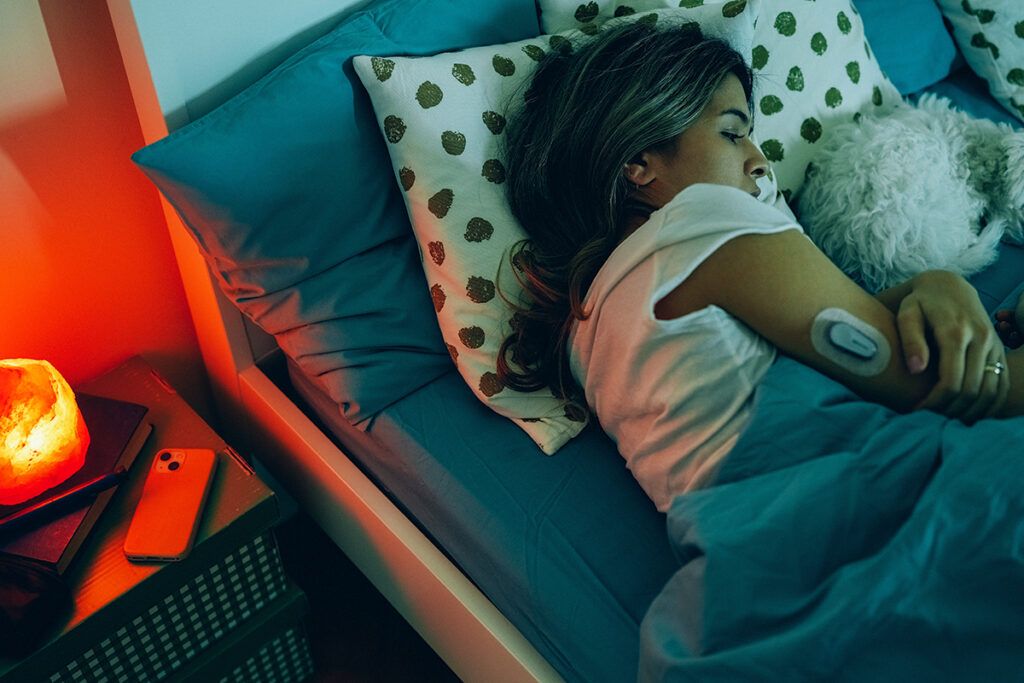
Many factors contribute to changes in blood sugar. In people without diabetes, blood glucose goes up and down but within the usual range. If you have type 1 or 2 diabetes, your blood sugar can increase beyond the typical range.
Because you’re not eating during sleep, you might assume your blood sugar levels decrease, which can happen. However, you may also experience blood sugar highs in the morning due to the waning effect of insulin or the dawn phenomenon.
The dawn phenomenon refers to the natural process your body goes through to wake you up. Hormones like cortisol and growth hormone signal your liver to increase glucose production. In people without diabetes, raising insulin keeps a check on increasing glucose levels.
If you have diabetes, your body doesn’t produce enough insulin — or is insulin insensitive — causing glucose levels to remain high.
Short-acting insulin or an insulin pump that delivers too little insulin can cause insulin levels to wane overnight, leading to high blood sugar levels in the morning.
If you take too much insulin, you can also experience low blood sugar overnight.
Additionally, some diabetes medications can cause hypoglycemia.
Two classes of diabetes medications doctors prescribe to treat type 2 diabetes increase insulin levels and can lead to low blood sugar:
Sulfonylureas such as:
Meglitinides such as:
- repaglinide (Prandin)
- nateglinide (Starlix)
If you’re taking these medicines and experiencing nighttime blood sugar changes, consider asking your doctor how to better manage your blood glucose levels.
If you need help covering the cost of medications, the free Optum Perks Discount Card could help you save up to 80% on prescription drugs. Follow the links on drug names for savings on that medication, or search for a specific drug here.

How can I keep optimum blood sugar levels during sleep?
To maintain optimal blood sugar levels during sleep, you need to first gather information about your overnight blood glucose levels. Then, you can determine how to better manage your blood sugar levels while asleep.
To track your blood sugar levels, consider:
- using a continuous glucose monitor to get overnight readings
- taking manual readings at bedtime, in the middle of the night, and first thing in the morning
The American Diabetes Association offers the following advice for interpreting your data:
- High glucose before bed might be from eating too much or not taking enough insulin, so you might need to adjust your insulin dose and food intake.
- In-range glucose before bed combined with high morning glucose might mean your insulin is waning off overnight, so you might need to change your insulin type, schedule, or dose.
- High glucose early in the morning might be the dawn phenomenon. Increasing your insulin dose might lead to low blood sugar when you first go to sleep, so it’s a good idea to talk with a doctor about the next steps.
Finding the optimal balance of medication and food intake can be an ongoing process. In addition to the tips above, you may also want to speak with a doctor about what your blood sugar levels mean and what adjustments to make.
Why is it important to maintain optimal blood sugar levels?
High blood glucose can lead to several health problems, including nerve and organ damage.
Maintaining an optimal blood glucose range can help prevent diabetes complications from high and low blood sugar levels.

Free prescription coupons
Seriously … free. Explore prices that beat the competition 70% of the time.
Get free cardAre there reasons other than diabetes that your blood sugar becomes low?
Hypoglycemia is rare in people without diabetes, but it does happen.
Some medical conditions can cause low blood sugar in adults, such as pancreatic tumors (insulinomas). Some other possible causes of low blood sugar include:
- liver failure
- kidney failure
- hormone deficiencies
- infections
- certain medications
- gastric bypass surgery
In rare cases, infants may be born with congenital hyperinsulinism, where the body secretes insulin regardless of blood glucose level, which can lead to low blood sugar. According to the National Organization for Rare Disorders, this condition occurs in about 1 out of 25,000 births.
What are some symptoms of hypoglycemia?
If you have low blood sugar while you sleep, you might experience:
- having nightmares
- crying out
- sweating enough to make clothing damp
- waking up feeling tired, irritable, or confused
Low blood glucose overnight can make it harder to notice daytime symptoms. Some daytime signs of mild-to-moderate hypoglycemia are:
- feeling hungry or tired
- feeling jittery or shaky
- dizziness, lightheadedness, or confusion
- feeling irritable
- having headaches
- rapid or unsteady heartbeat
- lacking clarity while speaking or seeing clearly
Severe hypoglycemia can cause a seizure or loss of consciousness. It requires emergency treatment.
How do doctors treat hypoglycemia?
Severe low blood sugar is an emergency. A doctor can prescribe an emergency kit for you to have at home that contains glucagon, a hormone that quickly raises your blood glucose levels.
Glucagon comes in a nasal spray or injection. You can prepare your friends and family by showing them how to give you a dose in the event of severe hypoglycemia. You may also want to wear a medical alert bracelet that tells people you have diabetes.
If you have diabetes and experience mild-to-moderate low blood sugar, consider following the “15-15 rule”:
- Eat 15 grams of carbohydrates and recheck your levels in 15 minutes.
- If they’re still below 70 milligrams per deciliter (mg/dL), have another serving of carbohydrates.
Examples of 15 grams of carbohydrates are:
- ½ cup of juice
- 1 tbsp of sugar, corn syrup, or honey
If you have frequent episodes of hypoglycemia, consider working with a healthcare team to modify your diabetes management plan.
Summary
People with type 1 or type 2 diabetes have to carefully manage their food intake, medications, and insulin to keep their blood glucose levels within a target range.
Managing your blood sugar levels overnight can be a unique challenge.
By collecting overnight blood sugar data and carefully noting your eating habits and medication doses, you can better understand the root cause of overnight blood sugar changes and take steps to adjust your diabetes management plan.
Download the free Optum Perks Discount Card to save up to 80% on some prescription medications.