


Sleep apnea refers to recurrent pauses in breathing during sleep due to airway obstruction or neurological dysfunction.
These respiratory interruptions may result in a drop in oxygen levels and frequent awakenings at night, preventing you from getting adequate sleep and leading to other symptoms.
The primary types of sleep apnea include:
- Obstructive sleep apnea (OSA): It occurs when the muscles at the back of the throat fail to keep the airway open, often due to relaxation during sleep.
- Central sleep apnea: It occurs when your brain doesn’t send proper signals to the muscles that control breathing, resulting in a lack of breathing effort.
- Complex sleep apnea: It occurs when central sleep apnea develops or worsens following initial treatment for OSA.
Untreated sleep apnea may lead to complications, including:
- excessive daytime sleepiness
- effects on your ability to think
- cardiovascular conditions like hypertension
- insulin resistance and type 2 diabetes
CPAP is the first line of treatment for sleep apnea. Your healthcare professional may also recommend medications to manage related symptoms. Natural strategies may complement these efforts.
Natural management options for sleep apnea
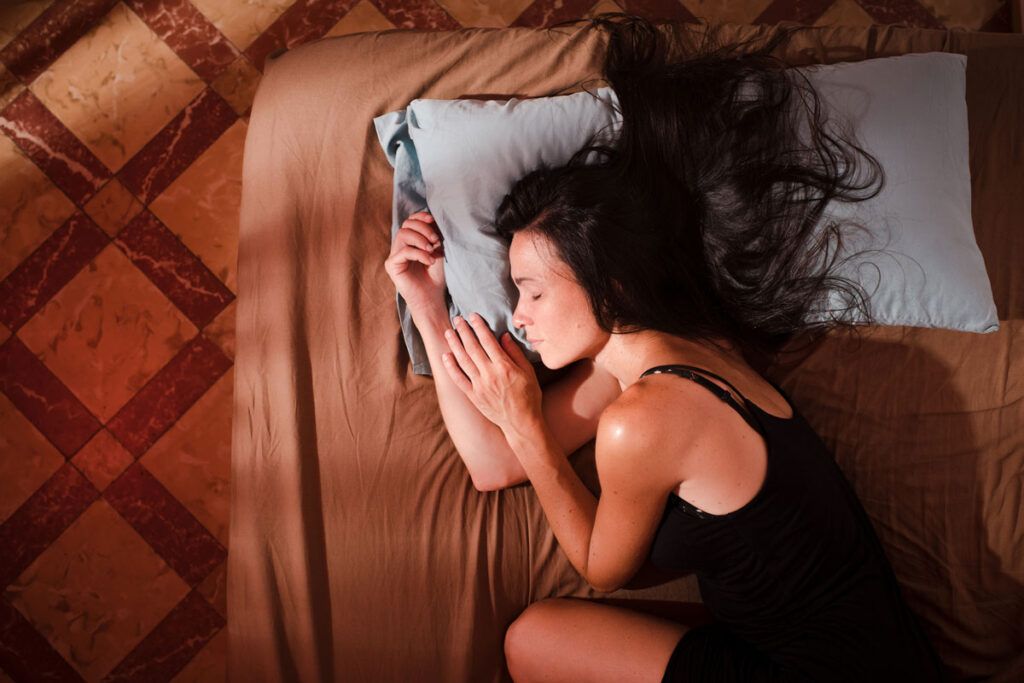
Your healthcare team may suggest implementing some of these solutions in addition to CPAP therapy and medications.
Home remedies
Sleep apnea home remedies often involve self-care techniques to promote better breathing and sleep patterns. They may include:
- Positional therapy: Sleeping in specific positions, such as on your side or with an elevated head, may reduce airway obstruction and relieve sleep apnea symptoms.
- Herbal teas: Certain herbal teas, like valerian root, may help promote better sleep and prevent sleep disturbances, including OSA. Experts don’t recommend this for everyone, though, so getting medical advice is a good idea.
Lifestyle changes
Making adjustments to your daily routine and habits may affect sleep apnea. Consider the following lifestyle changes:
- Weight management: Managing weight may significantly reduce the severity of sleep apnea by relieving some of the pressure on your airways. You may manage weight by eating a nutrient-dense diet and getting regular physical activity.
- Avoiding alcohol and sedatives: Substances that relax the muscles in your throat may worsen sleep apnea symptoms.
- Quitting smoking: Tobacco use may lead to inflammation and fluid retention in the upper airway, worsening sleep apnea symptoms.
Alternative therapies
These may include:
- Acupuncture: This ancient practice involves inserting thin needles at specific points in your body, which may help relieve sleep apnea symptoms in some people.
- Yoga and breathing exercises: Specific breathing exercises and practicing yoga may strengthen the muscles involved in breathing and improve lung capacity, lessening your symptoms.
- Herbal and aromatherapy: Some essential oils may support respiratory health and relaxation.
Exploring alternative therapies, often together with medical devices, can provide a holistic approach to managing sleep apnea and improving sleep quality.

Is managing sleep apnea at home safe?
Home remedies for sleep apnea can be safe and effective, especially when complementing traditional treatments. They may help improve sleep quality and relieve symptoms.
However, working closely with a doctor is essential to ensure a comprehensive and well-balanced approach that addresses your condition and needs.
If you need help covering the cost of medications, the free Optum Perks Discount Card could help you save up to 80% on prescription drugs. Follow the links on drug names for savings on that medication, or search for a specific drug here.
Traditional treatment of sleep apnea
Sleep apnea treatment varies based on its underlying causes and severity. A doctor may recommend medications and alternative and traditional therapies, often involving specialized devices.
Traditional therapies
These may involve the use of specialized devices to treat sleep apnea. These therapies include:
- Oral appliances: These are dental devices designed to reposition the jaw and tongue to keep the airway open during sleep. These devices are particularly effective for mild to moderate OSA.
- CPAP: The first line of therapy for moderate to severe OSA. A CPAP machine delivers continuous air pressure through a mask, keeping your airway open during sleep. This may reduce apnea events and improve your sleep quality while reducing the chance of complications.
- Bi-level positive airway pressure (BiPAP): Similar to CPAP, BiPAP therapy uses a machine to deliver air pressure. However, BiPAP adjusts the pressure levels based on your breathing patterns, providing higher pressure during inhalation and lower pressure during exhalation.
- Adaptive servo-ventilation (ASV): It is designed for people with central sleep apnea. The device monitors your breathing patterns and delivers varying pressure levels to ensure your breathing remains regular and stable throughout the night.
- Surgery: In severe cases, a doctor may recommend surgical procedures to treat anatomical concerns in the throat or nasal passages.

Free prescription coupons
Seriously … free. Explore prices that beat the competition 70% of the time.
Get free cardMedications
Medications don’t treat sleep apnea. Instead, they manage related symptoms like daytime fatigue and sleepiness, headaches, and anxiety.
Certain medications, such as carbonic anhydrase inhibitors, like acetazolamide (Diamox), may help manage sleep apnea symptoms by lowering bicarbonate and hydrogen ions in the body, encouraging regular breathing patterns during sleep.
Central nervous stimulants, like modafinil (Provigil) and armodafinil (Nuvigil), may improve wakefulness and reduce daytime sleepiness.
Bronchodilators, like theophylline (Theo-24), may help relax your airway muscles, making breathing easier at night.
Download the free Optum Perks Discount Card to save up to 80% on some prescription medications.
Can you cure sleep apnea?
While there’s currently no known cure for sleep apnea, you can effectively manage it through various natural and traditional treatments.
Many people may experience significant improvements in their sleep apnea symptoms with medical treatment and home remedies, leading to a better outlook on their health and well-being.
Summary
Natural and home remedies for sleep apnea may complement your management efforts. Although they can’t cure sleep apnea, they may reduce discomfort and lower the chance of complications.
Combining these home remedies with medical treatment can improve your sleep quality and overall well-being.