


Key takeaways
- GLP-1 receptor agonists slow stomach emptying, which may affect how oral medications are absorbed. This is especially noted with tirzepatide (Mounjaro) and oral contraceptives, so talk with a healthcare professional about using non-oral contraceptive methods like implants or intrauterine devices.
- Combining GLP-1s with insulin or sulfonylureas can increase the risk of hypoglycemia (low blood sugar). Dose adjustments and careful monitoring are often required when these medications are used together.
- You should stop GLP-1s at least 1 week before any procedure requiring deep sedation or anesthesia to reduce the risk of pulmonary aspiration. Always discuss all your current medications with your doctor to check for interactions or needed dose adjustments.
Overview
Drug interactions happen when one medication causes another to have a different effect than expected. For example, it may make a medication less effective or increase the risk of side effects.
Glucagon-like peptide-1 receptor agonists (GLP-1s) are a group of medications that are typically used to manage blood sugar and help with weight loss. Let’s take a look at some medications that may interact with GLP-1s that your doctors may recommend avoiding.
—————
New to GLP-1s or due for a refill? Connect with a U.S.-licensed healthcare professional today — no membership fees, just a $39 visit. If prescribed, your medication can be shipped straight to your door. Start your Rx request here.

Do GLP-1s interact with oral medications?
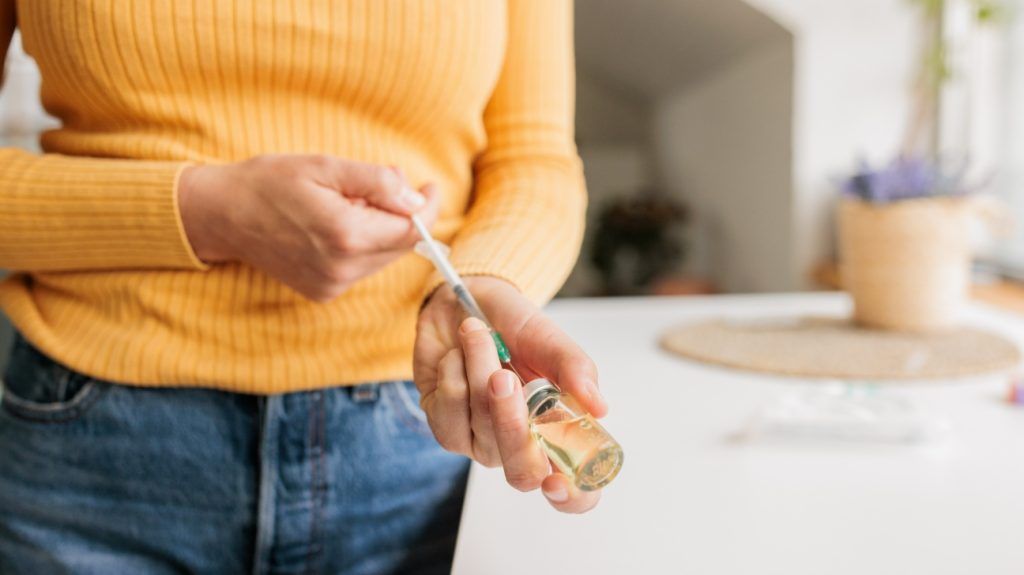
One of the key mechanisms of action of GLP-1s is that they slow the rate at which your stomach empties, known as delayed gastric emptying. This means that oral medications may be absorbed differently when taken alongside GLP-1s.
Some 2024 research suggests that any effect on the action of oral medications would be small, so in most cases, dose adjustments wouldn’t be necessary. However, if you have conditions affecting your kidneys or the oral drugs are very sensitive to changes in absorption, your doctor may consider changing your dose.
Do GLP-1s interact with contraceptives?
Because of this effect on absorption, you may have heard that GLP-1s might reduce the effectiveness of your oral contraceptives. However, this may depend on the GLP-1 you’ve been prescribed.
This effect is noted especially with medications like tirzepatide (Mounjaro), which may have a greater impact on the absorption of oral contraceptives compared to other GLP-1 receptor agonists.
If you are taking oral contraceptives and a GLP-1, talk with a healthcare professional about alternative or additional contraceptive methods like condoms to ensure effective pregnancy prevention.
You may also consider using non-oral contraceptives like injections, implants, or intrauterine devices while using GLP-1s, as they are not affected by changes in absorption.
Do GLP-1s interact with other diabetes medications?
GLP-1s may interact with other diabetes medications, particularly those that also affect blood sugar levels. The most significant interactions occur with:
- Insulin and sulfonylureas: These medications lower blood sugar, and combining them with GLP-1s can increase the risk of hypoglycemia (low blood sugar). Dose adjustments and careful monitoring are often required when these drugs are used together.
- Other oral diabetes medications: GLP-1s may slow gastric emptying, which can affect the absorption of some oral medications, though most studies report no clinically significant changes in absorption or action for most drugs.
- SGLT-2 inhibitors: While not always a direct interaction, combining GLP-1s with SGLT-2 inhibitors can increase the risk of side effects like dehydration or urinary tract infections, and may require monitoring.
Always consult a healthcare professional for personalized advice about medication interactions and management.
| Warning: You should never take more than one GLP-1 at a time. This can increase the risk of severe side effects or overdose. |
Medical perspective
How will a doctor monitor the health of a patient taking a GLP-1 long-term for interactions?
“Your doctor will typically monitor your kidney function, blood glucose, and weight through routine labs and follow-up visits. They’ll also review your full medication list, since GLP-1s can interact with other drugs or change how they’re absorbed.
At each visit, they’ll likely ask whether you’ve had any persistent nausea or abdominal pain, which can help guide adjustments to your treatment.”
— Alex Nguyen, PharmD, RPh, CPh
Note: Quotes represent the opinions of our medical experts. All content is strictly informational and should not be considered medical advice.

Free prescription coupons
Seriously … free. Explore prices that beat the competition 70% of the time.
Get free cardGLP-1s and anesthesia
GLP-1s cause your stomach to empty food and liquids more slowly than usual. Because of this, doctors recommend you stop GLP-1s at least one week before any medical procedure requiring deep sedation or anesthesia, including a colonoscopy or endoscopy.
This is because there is a risk for residual food or liquid from the stomach getting into the lungs (pulmonary aspiration) while you’re sedated. This isn’t the same thing as an interaction, but it’s still important to note when considering medications you take together.
Next steps
If you’ve been prescribed a GLP-1, it’s important to discuss all of your current medications with the prescribing doctor. This can help them work out if you’re likely to experience any interactions or need to have any dose adjustments.
They’ll also monitor you closely throughout treatment to ensure no adverse effects are happening.
—————
Download the free Optum Perks Discount Card to save up to 80% on many prescription medications. Plus, you can now get them delivered to your home in as little as 3 days. Search for your medication here.