


Insulin is an important hormone your pancreas produces to help regulate blood sugar levels.
After eating certain foods, your blood sugar increases, which prompts your body to release more insulin to balance it out. Insulin signals that blood sugar should enter your body’s cells so they can use it for energy.
If you have prediabetes, diabetes, or insulin resistance, this chain of events doesn’t work as well as it should, and your blood sugar may stay too high for too long. Over time, this may lead to health issues like limb or organ damage.
If you don’t currently live with these conditions, persistent high blood sugar and insulin spikes may make it more likely that you will at some point.
Knowing how specific foods increase blood sugar and cause insulin spikes may help you prevent and reverse related health conditions.
Foods that may spike insulin
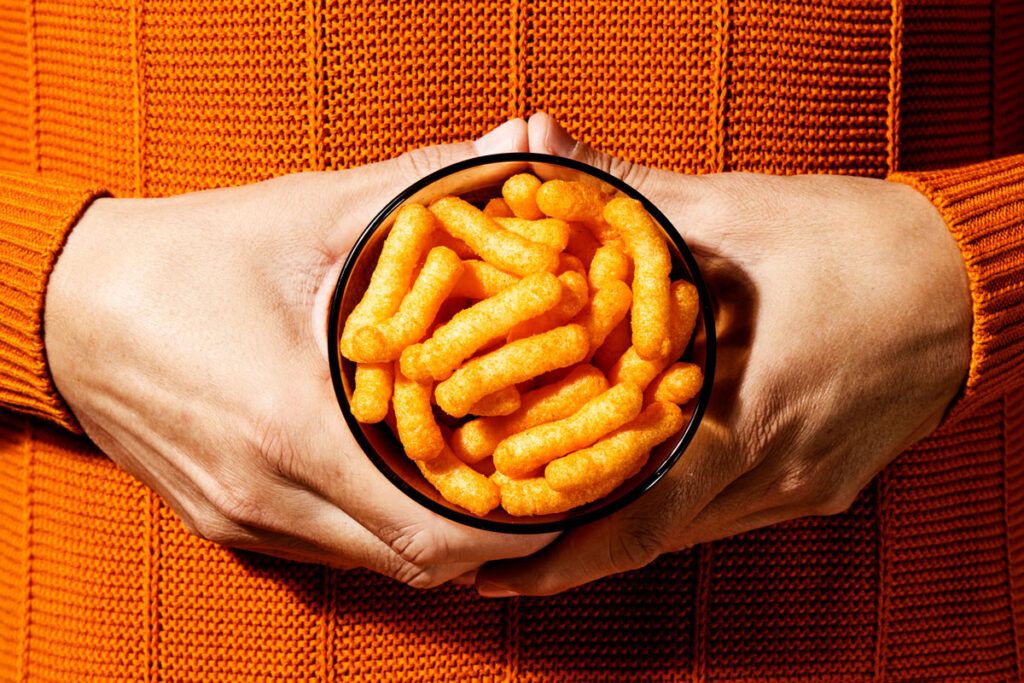
The Glycemic Index (GI) tool may help assess how much a particular food increases blood sugar levels, indicating that it may also cause a rise in insulin.
These foods typically have a higher GI rating:
- Refined carbohydrates: The manufacturing process strips refined carbs of most of their nutrients. For example, white bread, white rice, and white pasta.
- Sweet treats: Foods that are high in added sugar. For example, chocolate, gummy bears, ice cream, cake, and muffins.
- Sugary beverages: Liquids that have added sugar and coloring. For example, sodas, bottled fruit juices, energy drinks, and sweetened teas.
- Certain processed foods: Some foods that have gone through a manufacturing process to add coloring, sugar, and preservatives may have a higher GI rating. Processed foods that are high in sugar and carbs but low in fat and fiber may have higher GI ratings.
- Certain fruits: Some fruits may have higher amounts of natural sugars. For example, mangoes, overripe bananas, and pineapples.
- Certain vegetables: As with fruits, some vegetables may contain more natural sugars. For example, potatoes, pumpkins, and sweet corn.

Foods to eat to keep insulin levels low
The American Diabetes Association (ADA) suggests that eating a balanced, nutrient-dense diet helps keep blood sugar and insulin at optimal levels. This reduces your chance of developing prediabetes and type 2 diabetes.
Specifically, the ADA recommends adding these foods to your daily diet:
- Fiber-rich foods: Consuming fiber-rich foods like whole grains, legumes, vegetables, and low GI fruits may slow down your digestion and absorption of carbohydrates. This prevents rapid blood sugar spikes and subsequent insulin surges.
- Healthy fats: Foods rich in healthy fats, like avocados, nuts, seeds, and fatty fish, may help you feel fuller for longer. That may help you eat fewer carbs during and between meals, which can keep blood sugar and insulin spikes at bay.
- Lean proteins: Prioritizing lean proteins like chicken, turkey, fish, tofu, and beans may promote overall blood sugar and insulin management.
- Minimally or unprocessed foods: Many, but not all, unprocessed foods, like whole grains, natural spices, and eggs, may have a lower GI rating. This means they won’t cause as sharp blood sugar and insulin spikes as some processed options.
- Specific diets: Certain diets are linked with a lower chance of diabetes, including vegetarian, plant-based, Mediterranean, low carbohydrate, and Dietary Approaches to Stop Hypertension (DASH) eating plans.
Other lifestyle habits that can lead to insulin resistance
The ADA notes that certain lifestyle habits may increase your chance of developing insulin-related problems:
- Sedentary lifestyle: Consider decreasing the time you spend sitting or lying down. When you can’t avoid it, aim to stand up and move at least every 30 minutes.
- Obesity and excess body weight: Maintaining a recommended weight for your age, health status, and height may help you reduce your chance of developing insulin resistance and type 2 diabetes. Even a 5% weight loss may improve insulin levels if you are over the recommended weight.
- Inadequate sleep: Although the link between sleep and insulin is complex, a lack of quality sleep may be linked with insulin resistance and a higher chance of developing diabetes.
Medications for insulin resistance and diabetes
Unless you have been diagnosed with diabetes or insulin resistance, you may not need to take medications to manage your insulin levels. Lifestyle habits like regular physical activity may be enough to manage your blood sugar.
If you have insulin resistance, prediabetes, diabetes, or an increased risk of these conditions, your healthcare professional may recommend certain medications.
Common medications to manage blood sugar and insulin may include:
Insulin therapy
Various types of insulin are available, including short-acting, intermediate-acting, long-acting, and premixed formulations. Insulin medications can replace or supplement the body’s natural insulin.
Metformin
Metformin (Glucophage) is a first-line medication for type 2 diabetes that helps improve insulin sensitivity and reduce glucose production in the liver.
Glipizide and glimepiride
Glimepiride (Amaryl) and glipizide (Glucotrol) stimulate the pancreas to release more insulin when needed.
Pioglitazone
Pioglitazone (Actos) is a thiazolidinedione (TZD) that improves insulin sensitivity and helps regulate blood sugar levels.
DPP-4 inhibitors
Drugs like sitagliptin (Januvia), saxagliptin (Onglyza), and linagliptin (Tradjenta) increase the levels of incretin hormones, which help naturally regulate blood sugar levels.
SGLT2 inhibitors
SGLT2 inhibitors, like canagliflozin (Invokana), dapagliflozin (Farxiga), and empagliflozin (Jardiance), lower blood sugar levels by increasing the removal of blood sugar in your urine.
GLP-1 receptor agonists
GLP-1 receptor agonists, like exenatide (Byetta), liraglutide (Victoza), semaglutide (Ozempic), and dulaglutide (Trulicity), stimulate the release of insulin and reduce glucagon secretion, leading to better blood sugar management.
————-
If you need help covering the cost of medications, the free Optum Perks Discount Card could help you save up to 80% on prescription drugs. Plus, you can now get them delivered to your home in as little as 3 days. Search for your medication here.

Free prescription coupons
Seriously … free. Explore prices that beat the competition 70% of the time.
Get free cardSummary
Refined carbohydrates, some processed foods, sugary beverages, and a few vegetables and fruits are more likely to cause blood sugar and insulin levels spikes.
Conversely, fiber-rich foods, healthy fats, and lean proteins may help stabilize blood sugar and insulin levels.
Lifestyle habits like regular physical activity, maintaining a recommended weight, and getting enough sleep may also help prevent high insulin complications.
In some cases, you’ll need medication to lower and maintain insulin levels. Only a healthcare professional can accurately diagnose a blood sugar-related condition and recommend the best treatment for you.
—————
Download the free Optum Perks Discount Card to save up to 80% on many prescription medications. Plus, you can now get them delivered to your home in as little as 3 days. Search for your medication here.