


Eczema, also known as atopic dermatitis, is a skin condition that causes the skin to appear discolored and uneven and leads to uncomfortable symptoms like itching.
According to the National Eczema Association, more than 10% of people in the United States have a form of eczema. There is no cure for the condition, but you can help manage it using both medical and natural treatments.
Exfoliation is a skin care technique that involves removing dead skin cells. This can make the surface of the skin look and feel smoother, and it may be a promising home remedy to help you manage your eczema symptoms. But it might also carry a risk of worsening your condition.
If you’d like to try exfoliation to help with your eczema, it’s important to do it properly to have the most effective results and avoid flare-ups.
—————-
Need a diagnosis or prescription quickly? Optum Perks offers personalized on-demand care in as little as 15 minutes. For $39, answer a few questions online and receive a diagnosis and treatment plan from a US-licensed healthcare professional. Get started here.

Types of exfoliation
Exfoliation can remove dead skin cells from the surface of your skin. There are two main kinds of exfoliation: mechanical and chemical.
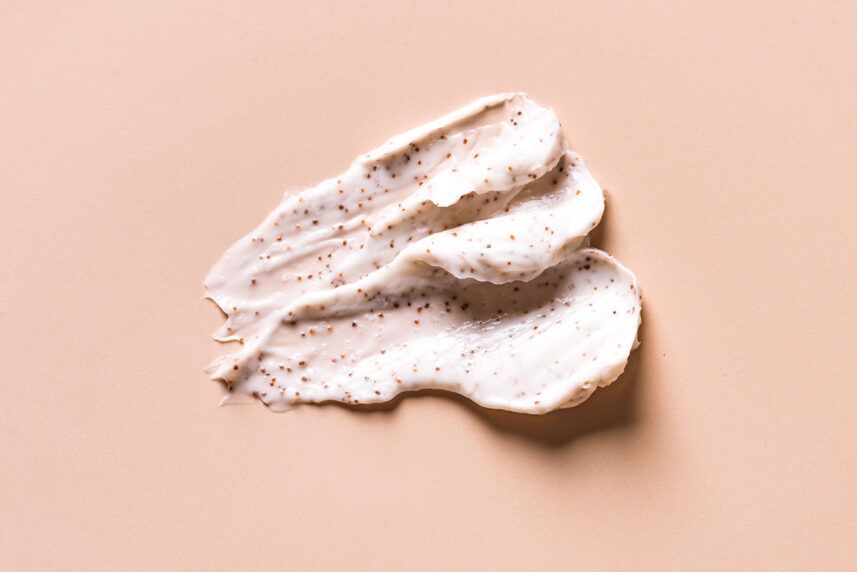
Mechanical exfoliation is a physical process that involves using a scrub containing hard, grainy particles or physical tools like a rough washcloth or a loofah.
True to its name, chemical exfoliation uses chemicals to remove dead skin cells and can penetrate deeper into the skin than physical methods.
There are three main kinds of chemical exfoliators:
- Alpha hydroxy acids (AHAs): AHAs include glycolic acid, lactic acid, mandelic acid, and citric acid.
- Beta hydroxy acids (BHAs): These include salicylic acid and tropic acid. BHAs can help unclog your pores as well as remove dead skin cells.
- Poly hydroxy acids (PHAs): These include gluconolactone and galactose. PHAs are made from bigger molecules, so they’re considered gentler on the skin.
PHAs are often the best choice for people with eczema or sensitive skin because they can help improve the skin’s barrier, which is often damaged in people with eczema, according to a 2018 research review. They’re also considered a gentler form of chemical exfoliation.
Benefits of exfoliation
The main reason people try exfoliation is because it makes the skin appear smoother and brighter by removing the layer of dead skin cells. Some people choose this option for its quick results — your skin might feel smoother almost immediately.
Although the root cause of eczema is most likely a mixture of genetic and environmental factors, like allergies, several triggers can worsen symptoms for a time, including:
- reactions to perfumes or detergents
- a change in weather
- skin irritation
A buildup of dead skin cells that may not pose a problem for others might increase irritation in people with eczema, making symptoms worse.
Eczema also causes itchy, thick skin. Using a mechanical exfoliator might help relieve itching.
People with eczema may also try exfoliation for cosmetic reasons. Eczema is often visible as dry, cracked, and discolored skin, so the smoothing and brightening effect of exfoliation might help reduce its appearance.
Risks of exfoliation
Exfoliation — especially chemical exfoliation — can be quite harsh on the skin. It’s generally advisable for people with eczema to avoid harsh chemicals because these can irritate the skin even more.
Physical exfoliation can also cause tiny scratches on the skin. This leaves you more prone to infections that can, in turn, worsen your eczema.
Exfoliating too vigorously or with unsuitable products can cause skin irritation, discoloration, and itching, worsening eczema symptoms. Also, eczema-prone skin already has a compromised skin barrier. Over-exfoliating can further disrupt this barrier, exposing the skin to moisture loss and allergens.
It’s also important to remember that there is no clinical evidence that exfoliation can improve eczema. It won’t cure the condition, and it’s unclear whether it can help you avoid flare-ups.
Do’s and don’ts
If you have eczema, your skin is likely to be more sensitive. If you want to exfoliate, you should do so safely to avoid triggering a flare-up.
The American Academy of Dermatology Association lists some guidelines on the best ways to exfoliate at home. There are several things you can consider doing and some things to best avoid:
- Do: Use a gentler exfoliant like a PHA.
- Don’t: Avoid using products that have strong fragrances or harsh ingredients.
- Do: Be gentle to your skin, apply the product slowly, and use water that isn’t too hot.
- Don’t: Avoid scrubbing too hard with a mechanical exfoliator.
- Do: Use a moisturizer afterward to help prevent your skin from drying out.
- Don’t: Avoid using products that seem to worsen your symptoms.
Other treatments
A doctor or dermatologist may also recommend medical treatments for eczema. These include:
- Topical corticosteroids: Doctors commonly prescribe topical corticosteroids to reduce inflammation and itching. Examples include triamcinolone (Kenalog), fluticasone (Cutivate), and amcinonide (Cyclocort).
- Topical calcineurin inhibitors: These medications work by blocking calcineurin, a protein responsible for producing inflammatory cytokines that signal the processes responsible for eczema. Examples include pimecrolimus (Elidel) and tacrolimus (Prograf).
- Oral steroids: A healthcare professional might prescribe a short course of oral steroids for severe flare-ups, but this is rare. This is not usually an option for children, no matter how severe the symptoms are. An example of an oral steroid is prednisone (Rayos).
- Immunomodulators: These can help boost the immune system and reduce inflammation in eczema. Doctors may use immunomodulators if topical corticosteroids don’t work. Examples include dupilumab (Dupixent).
A healthcare professional can discuss what type of treatment may work best for you.
————-
If you need help covering the cost of medications, the free Optum Perks Discount Card could help you save up to 80% on prescription drugs. Plus, you can now get them delivered to your home in as little as 3 days. Search for your medication here.

Free prescription coupons
Seriously … free. Explore prices that beat the competition 70% of the time.
Get free cardOnline care for eczema
Whether exfoliating is helpful for people with eczema is still debated. Some people find that it helps their symptoms, but no research supports this claim.
Online care services, including Optum Perks Online Care, may make getting treatment easier. With these services, you can submit an online form answering a few questions about your symptoms, and a US-licensed healthcare professional will respond soon after to prescribe a treatment plan.
Summary
Whether exfoliating is helpful for people with eczema is still debated. Some people find that it helps their symptoms, but there is no research to back this claim.
It’s important to make sure you exfoliate safely. This includes picking an exfoliator that works for your skin type and using a fragrance-free moisturizer afterward. Before trying exfoliation, speak with a healthcare professional to ensure you pick a method that works for you.
It’s helpful to always listen to your symptoms and stop using anything that seems to make them worse.
—————
Download the free Optum Perks Discount Card to save up to 80% on many prescription medications. Plus, you can now get them delivered to your home in as little as 3 days. Search for your medication here.