


Endometriosis is when tissue similar to uterine tissue grows outside the uterus, such as on the ovaries or fallopian tubes. The most common symptom is severe pain, particularly during menstruation or intercourse.
You may also experience lower back, pelvic, intestinal, bladder, or bowel pain. Other signs of endometriosis include bleeding, spotting, or digestive problems.
Changing what you eat may help reduce some of the processes in the body that cause endometriosis symptoms. It won’t make endometriosis go away, but it can make the condition more manageable.
How does diet affect endometriosis?
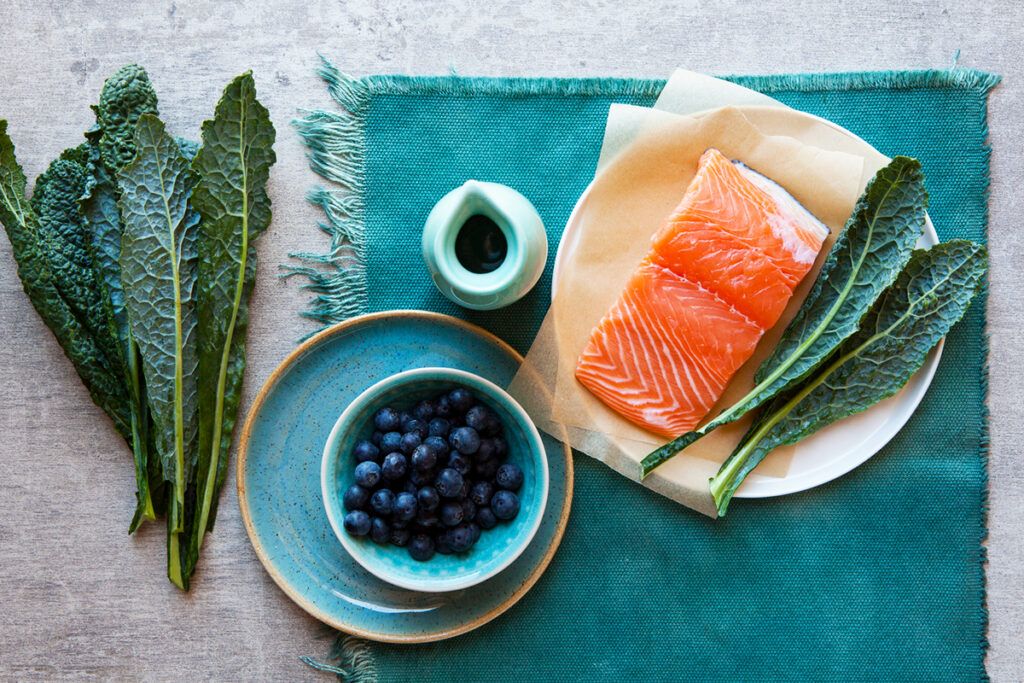
Diet changes cannot cure endometriosis, but they may be able to improve your symptoms. You can make different food choices depending on how endometriosis affects your body. Research on the topic is still ongoing, but results show that foods with certain nutrients might help with your symptoms.
There is no one recommended diet to help with the condition, but an endometriosis-friendly diet can:
- reduce inflammation
- reduce estrogen
- help with bladder pain
- help with digestive symptoms
Inflammation
Although doctors don’t know exactly what causes endometriosis, it is a condition of chronic inflammation. Researchers continue to investigate the role of inflammation in the prevention and management of endometriosis. Adopting anti-inflammatory eating habits can reduce inflammation in your body and ease many symptoms.

Estrogen
Endometriosis depends on estrogen, a natural hormone in the body. Lower levels of estrogen in the body may help reduce symptoms. Diet changes can help reduce the amount of estrogen circulating in the body and therefore help manage endometriosis.
Digestive symptoms
Many people with endometriosis experience irritable bowel symptoms. These are different for each individual and may include bloating, diarrhea, constipation, or bowel pain. Taking out foods that cause bowel discomfort can make it easier to manage endometriosis.
Bladder pain
Pain when urinating, particularly during your menstrual period, is another endometriosis symptom. If you experience this, you may want to eliminate foods and drinks that irritate the bladder.
Foods to avoid
To manage endometriosis, you might consider adopting an anti-inflammatory diet. This involves cutting out foods such as:
- alcohol
- caffeine
- dairy
- red meat
- processed meat
- refined sugars and carbohydrates
- saturated fats
- trans fats
- gluten
To help reduce estrogen, consider eating less fat overall and increasing your fiber intake.
If you have digestive symptoms, you may want to adopt a diet for people with irritable bowel syndrome (IBS), specifically eliminating the foods that cause the greatest symptoms. You can spot these foods by cutting out certain foods for 2 weeks and gradually reintroducing them, noting how your symptoms change.
If you also live with bladder pain, consider cutting out foods that can irritate this part of the body. Examples of foods to avoid include:
- alcohol
- acidic foods
- caffeinated beverages
- carbonated beverages
- chocolate
- spicy food
- tomatoes
- berries
If you have many endometriosis symptoms, finding the right mix of foods to include in your diet may take some time. Keeping note of symptoms and foods in a journal or food log can help you identify what foods make you uncomfortable.
Foods to include
To help reduce estrogen in the blood, consider eating less fat and increasing dietary fiber. Some research also suggests seaweed may reduce estrogen levels. Opting for a plant-based diet over meat may reduce endometriosis risk, and plant-based diets also have anti-inflammatory potential.
Additionally, some vitamins may help relieve endometriosis symptoms. These include:
- vitamin C
- vitamin D
- vitamin E
- fish oil capsules combined with vitamin B12
To adopt an anti-inflammatory diet for endometriosis, consider these food options:
- fruit (blueberries, peaches, oranges)
- dark leafy green vegetables (spinach, kale, broccoli)
- nuts and seeds (avocados, pecans, almonds, walnuts)
- beans and legumes (chickpeas, lentils, black beans)
- fish and seafood (salmon, herring, black cod)
- tea (green tea, peppermint)
- dark chocolate
- whole grains (brown rice, quinoa, gluten-free pasta)
If you find any of these foods irritate your bowel or bladder, consider choosing an alternative food from the same category.
Other treatment options
Treatment for endometriosis can include medications or surgery.
- Hormonal birth control: Extended or continuous-cycle birth control reduces bleeding and pain. A doctor may also recommend a hormonal intrauterine device (IUD).
- Gonadotropin-releasing hormone (GnRH) agonist: This stops ovulation and menstruation. It also prevents endometriosis tissue from growing as long as you are taking the drug, but not long-term.
- Surgery: Endometriosis surgery removes the endometriosis tissue from the body. A doctor may recommend taking hormone medication after surgery.
Doctors usually start with hormonal birth control as the first-line treatment. If this doesn’t work or you are trying to get pregnant, they may recommend GnRH agonists. Surgery is usually for those who have the most severe symptoms.
Home treatments for endometriosis symptoms include:
- over-the-counter pain relief (ibuprofen, naproxen)
- complementary or alternative therapies (acupuncture, chiropractic therapy)
A doctor may recommend diet changes in addition to other treatments for endometriosis.
————-
If you need help covering the cost of medications, the free Optum Perks Discount Card could help you save up to 80% on prescription drugs. Plus, you can now get them delivered to your home in as little as 3 days. Search for your medication here.

Free prescription coupons
Seriously … free. Explore prices that beat the competition 70% of the time.
Get free cardSummary
Diet changes are not a cure for endometriosis. However, choosing different foods may help change the levels of inflammation and estrogen in your body and reduce endometriosis symptoms. An anti-inflammatory diet and avoiding foods that irritate the bladder or bowel can contribute to endometriosis management.
—————
Download the free Optum Perks Discount Card to save up to 80% on many prescription medications. Plus, you can now get them delivered to your home in as little as 3 days. Search for your medication here.