


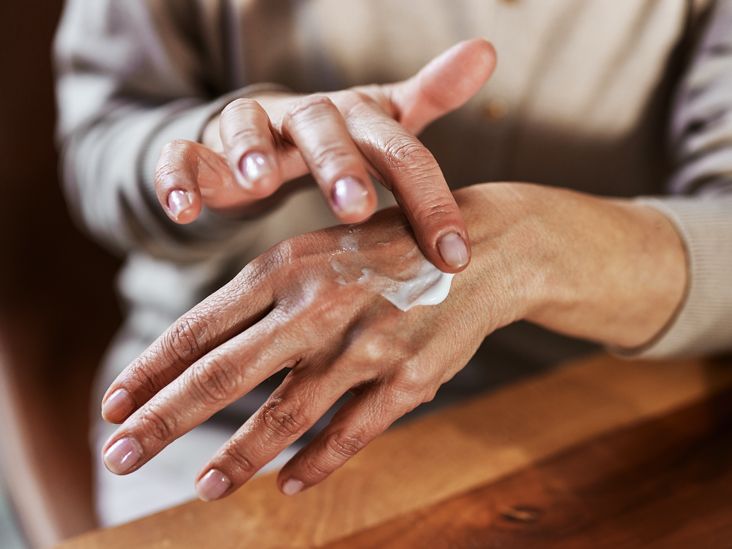
Eczema is an umbrella term for a group of skin conditions that cause symptoms like discoloration, dryness, and itching. It’s a chronic condition, meaning it affects you long term, and there’s currently no permanent cure. Its symptoms can greatly affect your quality of life, so finding the correct treatment is important.
Doctors may prescribe topical, oral, or even injectable medications to treat eczema. You may also want to try at-home natural remedies to soothe your symptoms.
It may take some time to figure out what treatment works best for you. But it’s possible to manage your symptoms well and reduce uncomfortable flare-ups.
—————-
Need a diagnosis or prescription quickly? Optum Perks offers personalized on-demand care in as little as 15 minutes. For $39, answer a few questions online and receive a diagnosis and treatment plan from a US-licensed healthcare professional. Get started here.

Topical medications for eczema
Topical creams and ointments that you apply directly to affected areas are generally the first treatment a doctor will try. These medications work to reduce inflammation, itching, and dryness directly on your skin.
Corticosteroids
According to the American Academy of Dermatology (AAD), corticosteroids are the top medication that doctors use to treat eczema. These have direct anti-inflammatory effects and can also suppress the immune response that may be causing eczema flare-ups.
Topical corticosteroids can come in different forms, including:
- creams
- ointments
- gels
- lotions
- foams
They’re also available in different strengths. Doctors will generally begin by prescribing a lower-strength medication, with the opportunity to increase it if necessary.
As with any medication, corticosteroids can cause side effects. The risk of these side effects increases with the strength of the medication. The most common side effect is thinning of the skin.
Experts generally recommend topical corticosteroids for short-term use to avoid serious side effects. Rarely, stopping topical steroids suddenly after using them for a long time can cause topical steroid withdrawal (TSW). This can cause rashes and burning of your skin.
For this reason, always speak with a doctor before stopping the medication.
Some common examples of topical corticosteroids include:
- hydrocortisone
- triamcinolone (Kenalog)
- betamethasone (Sernivo)
- clobetasol (Clobex)
————-
If you need help covering the cost of medications, the free Optum Perks Discount Card could help you save up to 80% on prescription drugs. Plus, you can now get them delivered to your home in as little as 3 days. Search for your medication here.

Free prescription coupons
Seriously … free. Explore prices that beat the competition 70% of the time.
Get free cardOther topical medications
If corticosteroids aren’t right for you, doctors might try another class of medication known as topical immunomodulators. These drugs specifically target the immune response that causes eczema flare-ups.
Topical immunomodulators are effective in treating eczema. And unlike topical corticosteroids, they have no risk of skin thinning. But they may be a more expensive option, and they also have their own side effects. These include a burning sensation or irritation.
Below are some examples of topical immunomodulators:
- Calcineurin inhibitors: Examples include tacrolimus (Nujo) and pimecrolimus (Elidel).
- Janus kinase (JAK) inhibitors: One example is ruxolitinib (Opzelura).
- PDE4 inhibitors: A common option is crisaborole ointment (Eucrisa).
Systemic medications for eczema
Systemic medications are generally ones that you take orally in tablet form, or you may receive them by injection. They get to work on your whole body, as opposed to topical drugs that are used directly on affected areas.
Oral medications
The most common oral medications for eczema are immunosuppressants. These help by suppressing the immune response that causes eczema-related inflammation and itching. Doctors may prescribe these medications for moderate to severe eczema in both adults and children.
Oral JAK inhibitors are a common example. Some of these include:
- abrocitinib (Cibinqo)
- upadacitinib (Rinvoq)
Oral corticosteroids are also an option in very severe cases. But doctors generally prefer not to prescribe these. Long-term use can result in serious side effects. And when you stop the medication, there’s a risk of your symptoms coming back, often worse than before.
Injectables
Injectable medications doctors prescribe to treat eczema are known as biologics. There are two biologics that have been approved by the Food and Drug Administration (FDA) to treat eczema:
- dupilumab (Dupixent)
- tralokinumab-ldrm (Adbry)
Dupilumab may be used in anyone over 6 months of age, while tralokinumab-ldrm is approved for adults. Doctors may teach you how to give an injection. This is to help you learn how to give an injection to yourself at home or to your child if they’re the one prescribed the medication.
Doctors usually prescribe these medications if you need a more aggressive treatment than topical or oral medications. According to a 2021 research review, both these medications eased symptoms within 16 weeks of use.
Phototherapy for eczema
Phototherapy, also called light therapy, is where the skin is exposed to ultraviolet (UV) light. It can be delivered in a special cabin if eczema affects your whole body, or you can use handheld devices for more localized treatment. You’ll likely need several sessions per week.
As per a 2021 systematic review, phototherapy treatment eased symptoms and appearance of eczema compared to no treatment or placebo after 12 weeks, without more people stopping the treatment due to negative side effects.
Online care for eczema
Eczema is a lifelong condition, but the right treatment can stop flare-ups and easy uncomfortable symptoms.
Online care services, including Optum Perks Online Care, may make getting treatment easier. With these services, you can submit an online form answering a few questions about your symptoms, and a US-licensed healthcare professional will respond soon after to prescribe a treatment plan.
Home remedies for eczema
Alongside prescription medications, there are several options you can try to manage your symptoms at home. These include over-the-counter (OTC) options and natural remedies.
OTC options
OTC medications may not treat the underlying causes of your eczema. But these medications may help soothe some of the uncomfortable symptoms like itching and dry skin. Some options include:
- hydrocortisone cream, a mild corticosteroid that you don’t need a prescription for
- mild lotions and moisturizers to keep your skin moisturized without triggering your symptoms
- special shampoos for scalp eczema
If itchy eczema is making it difficult for you to sleep, experts may recommend you try OTC antihistamines. These may not reduce your itching, but they often help you to sleep. If your eczema is painful, you can try OTC pain relievers.
Natural remedies
You can try several home remedies alongside medications. These include:
- trying colloidal oatmeal baths
- using cool compresses or wraps
- using mild detergents or soaps
- avoiding harsh chemicals and perfumes
Certain vitamins may also help lower eczema symptoms. According to a 2019 research article, supplementing with vitamins D, E, and B12 may be beneficial for people with eczema. Remember to always speak with a doctor before adding new vitamins to your routine.
Can eczema be cured?
There’s currently no cure for eczema. No medication you take, either prescribed or OTC, can cure your eczema completely. But different treatments can manage your symptoms and reduce how often you have flare-ups, meaning they can go away for periods of time.
On the other hand, some children with eczema can grow out of the condition, meaning it can go away as they get older. But there’s no guarantee this will happen, so it’s important to be prepared for the fact that it may be a lifelong condition.
Summary
While there’s currently no cure for eczema, many treatment options are available to help you manage uncomfortable symptoms.
The most common option is topical corticosteroids, which are often a cream or ointment that you apply directly to your skin. Other topical medications may also help if corticosteroids aren’t right for you. In severe cases, doctors might prescribe systemic medications that are in pill form or are injected.
Alongside prescription options, you might consider trying some at-home remedies to soothe your symptoms.
If you think you have eczema, consider speaking with a doctor as soon as possible. They’ll be able to help you with a treatment plan that’s right for you.