


Menopause is a significant transitional phase in a person’s life. A myriad of physical and psychological changes often accompany it.
While most people have heard of hot flashes, mood swings, and night sweats, another common yet often overlooked symptom of menopause is dry mouth.
Why does your mouth become dry during menopause?
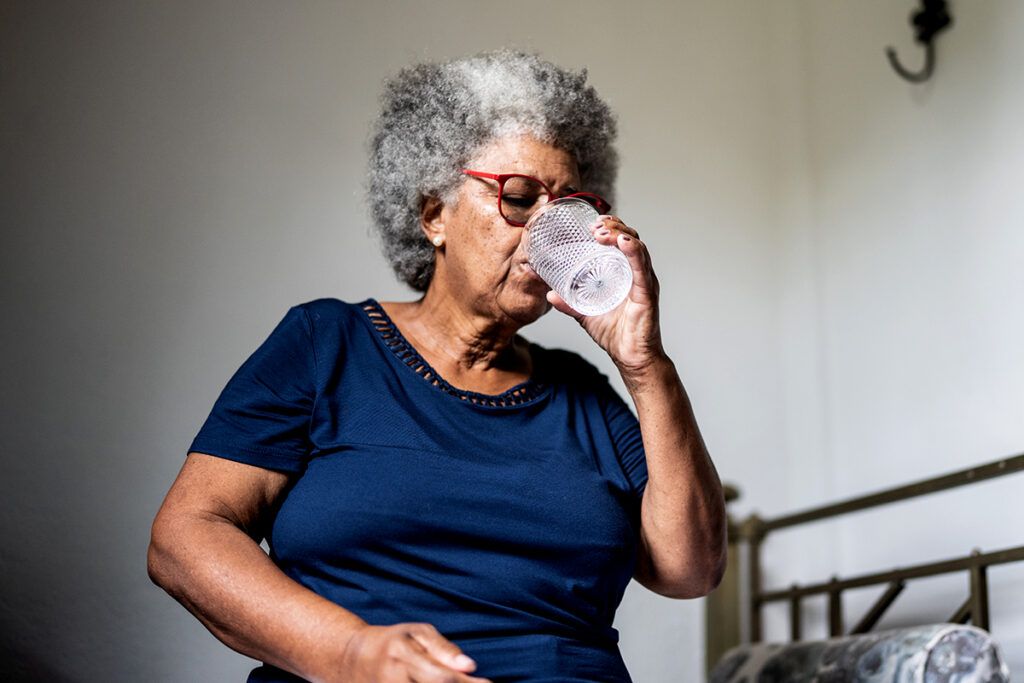
The medical term for dry mouth is xerostomia.
A 2022 review explains that during menopause, your body produces fewer ovarian hormones, especially estrogen. This hormone drop reduces the production of saliva, which can make your mouth feel dry.
The saliva that the body produces may also have a different composition. It can feel less lubricating, which can further contribute to the feeling of having a dry mouth.
What are the effects of dry mouth?
Dry mouth can lead to a range of uncomfortable symptoms, including:
- Difficulty swallowing (dysphagia): A dry mouth can make it challenging to swallow food and liquids. This can be made worse by other menopause-related changes to bones and muscles involved with swallowing.
- Bad breath (halitosis): Insufficient saliva can lead to an increase in mouth bacteria. In turn, this can cause bad breath.
- Fungal infection (oral candidiasis): A lack of saliva can make you more prone to developing a fungal infection in your mouth, often called thrush. Thrush can cause white patches on the tongue and a bad taste in the mouth.
- Tooth decay and gum problems: Saliva helps to neutralize acids, fight bacteria, and protect your teeth from decay. Without enough saliva, there’s an increased risk of cavities and gum issues.
- Sore throat: Dryness in the mouth and throat can lead to irritation and a persistent sore throat.
- Changes in taste (dysgeusia): Reduced saliva can change how you taste foods and drinks.
- Digestive issues: Saliva plays a big part in the digestive process. For example, it provides digestive enzymes. A lack of saliva could contribute to incomplete digestion of some nutrients.
- Burning mouth syndrome: Some people going through menopause also experience a burning sensation alongside dryness in the mouth.
- Cracks and sores (angular cheilitis): A persistent lack of moisture can make your lips and corners of the mouth cracked, sore, and red.
What are the treatment options?
Managing dry mouth during menopause can support your oral health and overall comfort. Here are some treatment options:

Hormone replacement therapy (HRT)
HRT is an effective way to relieve severe menopause symptoms, including hot flashes and vaginal discomfort.
As the 2022 review referenced above explains, HRT also appears to be effective at treating dry mouth in menopause. However, the authors note that HRT should not be the first line of treatment if dry mouth is the only menopause symptom you’re experiencing.
In the United States, the Food and Drug Administration (FDA) has approved the following types of HRT for menopause:
- estrogen-only
- progestin-only
- combined progestin and estrogen
- combined estrogen and other medicines
They’re available as pills, patches, creams, and injections. Here are some brand names you can discuss with a doctor:
- Patches: Alora, Climara, Combipatch
- Pills: Prefest, Provera, Femtrace
- Creams: Estrace, Premarin, Ogen
- Injections: Delestrogen
If you need help covering the cost of medications, the free Optum Perks Discount Card could help you save up to 80% on prescription drugs. Follow the links on drug names for savings on that medication, or search for a specific drug here.

Free prescription coupons
Seriously … free. Explore prices that beat the competition 70% of the time.
Get free cardOral care
Proper oral hygiene is essential for everyone, including those with dry mouth. It can help prevent conditions like fungal infections, cavities, and bad breath.
Oral care includes regular dental checkups, using fluoride toothpaste, flossing, and using mouthwash. You can consult a dentist for guidance on the best oral care regimen and products for you.
Hydration
Staying well-hydrated by drinking plenty of water throughout the day can help re-moisten your mouth.
You can consider carrying a water bottle with you for easy access. Be sure to quench your thirst in water. Limit or avoid sugar-sweetened beverages to reduce the risk of cavities.
Sugar-free gum or candy
Chewing gum or sucking on hard candies can stimulate saliva production. Opt for sugar-free versions to help prevent tooth decay.
Saliva substitutes and lubricating sprays
A 2017 review recommends using saliva substitutes and lubricating products to provide relief for dry mouth.
Options are often available over the counter (OTC) and include sprays, gels, mouth rinses, and tablets. Some brand names are:
- NeutraSal
- Biotene Oral
- Xero-Lube
- Caphosol
- BocaSal
- Salivart
- Optimoist
- Aquoral
In severe cases, a doctor may also recommend medications that aim to constantly increase saliva secretion. Options include:
- cholinergic agonists (Salagen, Cevimeline)
- antineoplastic detoxifying agents (Amifostine, Ethyol)
When to contact a doctor
If you’re experiencing persistent dry mouth during menopause that doesn’t improve with OTC products or home remedies like hydration and good oral care, it’s a good idea to consult a doctor.
They can assess your condition, rule out any underlying medical issues, and discuss suitable treatments to alleviate your symptoms.
Summary
Dry mouth is a common symptom of menopause. A drop in the hormone estrogen primarily causes menopause, which leads to reduced saliva production.
While this can be uncomfortable and affect your oral health, many treatment options are available to provide relief. These include prescription HRT, oral care practices, hydration, and OTC products. A doctor can help you find the best treatment for you.
Download the free Optum Perks Discount Card to save up to 80% on prescription medications.