


Key takeaways
- Dietary changes are often a key recommendation from healthcare professionals to help treat diabetes. These changes include monitoring your sugar intake and following a balanced, healthful diet.
- Fruit is usually a great choice for people with diabetes as it is part of a balanced diet with many health benefits.
- Some fruits may increase your blood sugar more than others. Consider limiting your intake of fruit products that contain lots of added sugars, like juices.
Overview
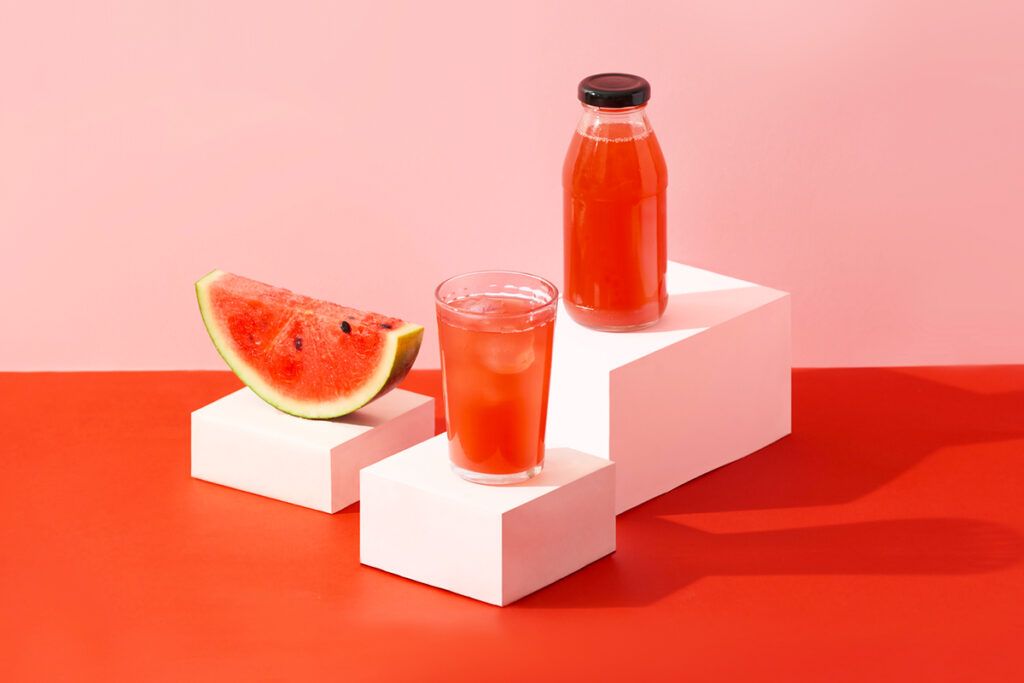
If you have type 1 or 2 diabetes, keeping your blood sugar at a safe level is important. Certain fruits that are high in sugar might cause your blood sugar levels to spike. However, fruit is still an important part of your diet, as it allows you to get the nutrients you need.
The glycemic index (GI) is a measurement that tells you how quickly different foods will affect your blood sugar level. The lower the GI, the slower your blood sugar will rise, giving your body more time to adjust to post-meal changes. The glycemic load (GL) measurement scores food according to how much it changes your blood glucose levels.
Although fruit is generally highly recommended as part of a balanced, healthful diet, you may wonder if certain fruits are best avoided if you have diabetes. Some may be higher in natural sugars than others and have a greater impact on your blood glucose.
However, this doesn’t mean you need to avoid them altogether. Speak with a doctor if you have concerns about your diet.
—————-
Need a diagnosis or prescription quickly? Optum Perks offers personalized on-demand care in as little as 15 minutes. For $39, answer a few questions online and receive a diagnosis and treatment plan from a US-licensed healthcare professional. Get started here.

Watermelon
You might consider being mindful of your watermelon intake to keep your blood sugar levels from rising. Or, try eating it with a source of protein to slow the absorption of glucose into your bloodstream.
However, the fruit may still have several benefits if you have diabetes. Watermelon contains antioxidants that help to reduce your risk of cardiovascular disease, a condition that people with diabetes are twice as likely to develop than people without diabetes.
An appropriate serving size for watermelon is 1 and 1/4 cups of cubes for 15 grams of carbohydrates.
Ripe bananas
Bananas are largely made up of carbohydrates, which can increase your blood sugar levels. They are a good source of fiber and contain plenty of vitamins and minerals that offer health benefits to people with diabetes.
However, high levels of carbohydrates may result in a spike in blood sugar levels. Consider eating unripe bananas, as they contain more resistant starch, a carbohydrate that resists digestion, delaying the rise in blood sugar levels and avoiding quick spikes.
This does not mean you cannot eat bananas if you have diabetes, but instead, consider not consuming large amounts at once. Eating bananas with a healthy fat or protein source may positively affect your blood sugar.
Try nut butter, such as peanut or almond butter, and a banana for a high fiber snack.
Pineapple
Pineapple is a good source of vitamins and fiber. It contains the protein bromelain, which has antidiabetic properties and promotes cardiovascular health.
Like bananas, the sugar content of pineapple increases the riper it gets. Eating pineapple in small quantities, preferably with a protein or healthy fat source like avocado, is safe for people with diabetes.
Pineapples from a can or cup may contain additional sugars, particularly if they’re kept in syrup. These additional sugars, rather than the pineapple itself, can spike your blood sugar. If this is the only option available to you, consider trying to find pineapple in water, not syrup.
Fruit juice
Fruit juice includes a higher concentration of fruit sugars than whole fruit, so the amount of carbohydrates within a glass of juice is typically much higher than within a typical serving of whole fruit. Some juices might also contain added or processed sugars, which are generally more likely to raise blood sugar.
Some fruit juices can cause your blood glucose to spike quickly because they have a high GL, which should be avoided in people with type 2 diabetes. However, they can be helpful for people with type 1 diabetes, as it provides a fast way to lift low blood glucose levels.
Some processed fruit juices, drinks, and punch may contain added sugars which can further increase their impact on your blood glucose level.
According to some 2021 research, excessive intake of sweetened fruit juices, not 100% fruit juice, may also contribute to the development of obesity — a common risk factor for diabetes — and type 2 diabetes itself. Consider limiting your intake to 224 milliliters (mL) or less per day.
Dried fruit
Dried fruit is a convenient alternative to fresh fruit but may contain additional sugars. However, 100% dried fruit may be suitable if you have diabetes.
For example, while some 2021 evidence suggests that dates may help with blood sugar regulation in people with diabetes, it is important to manage your portions to receive the health benefits.
An ideal portion size of dried fruit is around 30 grams (g). However, as the portion sizes of dried fruit are often small, you may miss out on feeling full after eating as you would with fresh fruit.
What are the best fruits for diabetes?
All fruits are considered to have a low GI, and their many health benefits outweigh their impacts on blood glucose levels. However, some fruits have lower GIs than others.
For example:
- Berries: Blackberries, blueberries, raspberries, and strawberries all have a low GI. They are a great source of antioxidants, fiber, and vitamins. Research suggests that eating berries may help reduce the risk of developing type 2 diabetes.
- Oranges: With a low GI, oranges provide a boost of vitamin C and plenty of fiber. They slowly increase your blood sugar which allows you to easily keep your blood glucose at a safe level.
- Grapefruit: Grapefruit has a low GI and is a good source of antioxidants for people with diabetes.
- Grapes: A great source of vitamin B6, grapes help to support your brain function.
- Apples: With a low GI score, apples help satisfy your desire to crunch down on a snack while providing you with plenty of fiber. This can help you metabolize glucose after eating to prevent blood glucose spikes.
What medications can help if you have diabetes?
The best medications for you will depend on individual factors and what type of diabetes you have.
Type 1 diabetes
If you have type 1 diabetes, your pancreas does not provide insulin. This means that treatments will focus on replacing the insulin your pancreas would otherwise make in response to changes in your blood glucose.
Treatment options include:
- Short and rapid-acting insulin: This type of insulin can reach your bloodstream in as little as 15 minutes of injection. Examples include Admelog and insulin aspart (Novolog FlexPen).
- Long-acting insulin: Helping to lower your blood glucose levels for up to 24 hours after administration, long-acting insulin reaches your bloodstream slowly. Examples include insulin degludec (Tresiba) and insulin glargine (Lantus).
Balancing the right amount of insulin with the amount of carbohydrates you consume is important to keep blood glucose in the target range. Consider speaking with a healthcare professional, such as a dietitian who is trained in diabetes, if you have any concerns about matching insulin to your carbohydrate intake.
Type 2 diabetes
A common treatment for Type 2 diabetes is metformin (Riomet), a medication that is also used to prevent you from developing type 2 diabetes by slowing glucose absorption in your body.
Side effects can include diarrhea and abdominal pain.
Metformin is an effective medication for managing type 2 diabetes. It prevents high blood glucose levels but is not suitable for people with type 1 diabetes. It should always be taken with food.
Side effects can include:
- nausea
- diarrhea
- vomiting
- reduced vitamin B12 levels
- genital infections
- extreme thirst
- back pain
It is important to follow the instructions given by a doctor to prevent hypoglycemia when taking metformin medications.
————-
If you need help covering the cost of medications, the free Optum Perks Discount Card could help you save up to 80% on prescription drugs. Plus, you can now get them delivered to your home in as little as 3 days. Search for your medication here.
Free prescription coupons
Seriously … free. Explore prices that beat the competition 70% of the time.
Get free cardSummary
Fruit is generally safe for people with diabetes to consume, but it is important to pay close attention to your portion sizes to prevent a blood glucose spike.
Consider speaking with a healthcare professional, such as a dietitian, to help you better understand how to factor healthy fruit into your diet.
—————
Download the free Optum Perks Discount Card to save up to 80% on many prescription medications. Plus, you can now get them delivered to your home in as little as 3 days. Search for your medication here.