


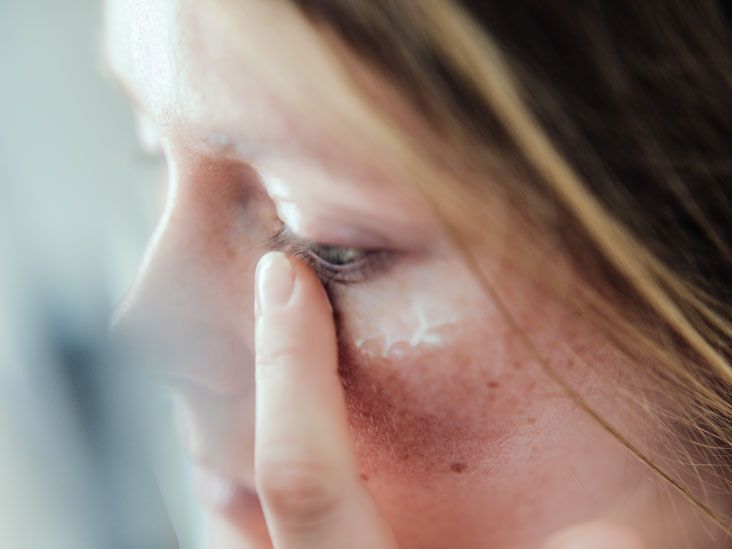
Rosacea is a long-term condition that causes inflammation in your skin, usually limited to your face. It leads to a range of symptoms, including:
- small, discolored bumps on your cheeks
- redness or flushing
- thickening of the skin
- acne-like pustules
- burning, stinging, or itchy skin
Experts don’t know exactly what causes rosacea to develop, but it’s likely linked to a mix of genetic and environmental factors. Different things can cause symptom flare-ups, including temperature changes, certain foods, cosmetics, and sunlight exposure.
Knowing more about these triggers can help you manage your symptoms more effectively.
————–
Need a diagnosis or prescription for rosacea? You can get discreet and expert on-demand care in as little as 15 minutes through Optum Perks. For $39, answer a few questions online and get a treatment plan from a US-licensed healthcare professional. Get started here.

Rosacea causes
Rosacea affects around 5% of people worldwide, and it’s slightly more common in women, middle-aged adults, and people with fair skin. However, some experts believe that rosacea may be underdiagnosed in people of color, as it’s more difficult to identify the symptoms, meaning people are less aware of it.
However, it’s still unclear exactly what causes the condition to develop. It’s likely due to a mixture of both genetics and environmental factors.
For example, 2023 research notes a link between several specific genes and rosacea, and there is a strong link to familial inheritance for the condition. This means that if you have a close family member with the condition, you may be more likely to develop it.
Your skin’s microbiome may also play a role in developing rosacea. This refers to all the helpful microorganisms, such as bacteria and fungi, that naturally live on your skin. These are usually not harmful, but in people with rosacea, they may cause inflammation and irritation, which is what leads to symptom flares.
Your skin’s barrier is also important. People with rosacea usually have an impaired skin barrier, which may mean this is an underlying cause. People with rosacea also display an overactivated immune system, which may also play a role.
Finally, exposure to UV light may also be a contributing factor in developing rosacea, according to a 2021 research review. UV light is a common trigger for rosacea, but it may also be an underlying cause of the condition developing.
Rosacea triggers
Even though the underlying mechanisms behind rosacea may not be clear, several triggers can cause symptoms to flare up and worsen. Rosacea makes your skin more sensitive, which means it reacts more easily to things in the environment that may cause inflammation and irritation, such as skin care products or sun exposure.
Some common triggers include:
- Sun exposure: UV light from the sun may worsen your symptoms and cause inflammation.
- Stress: Periods of high stress may cause rosacea to flare up.
- Diet: Your diet may affect rosacea, especially spicy foods and alcohol consumption — particularly red wine.
- Cosmetics: Some skin care, makeup, or even hair products may trigger your rosacea.
- Temperature: Unusually hot or cold temperatures and high winds may trigger your symptoms.
- Exercise: You may notice that your rosacea flares up after exercise.
Triggers may be different for everyone. It may help you to keep a diary to track your symptoms. This can help you identify what you were doing around the time of a flare-up, which can help you understand your individual triggers to try to avoid them as much as possible.
Rosacea treatment
There’s currently no permanent cure for rosacea, but several treatments are available that aim to reduce discomfort, reduce the appearance of rosacea, and prevent its worsening. Avoiding your triggers may also help reduce symptoms.
One of the primary treatments for rosacea includes medicated creams that you apply directly to your face. Some of these medications target different symptoms of rosacea, such as:
- Flushing: Topical medications such as brimonidine gel (Mirvaso) can temporarily reduce the persistent color on your face.
- Acne-like pustules: Several medications aim to treat the acne-like breakouts you may notice with rosacea. These include:
- metronidazole gel (MetroGel)
- azelaic acid (Finacea)
- ivermectin cream (Soolantra)
- benzoyl peroxide cream 5% (Epsolay)
In some cases, oral medications may be necessary. Doctors may prescribe low dose doxycycline (Oracea) to manage breakouts and skin thickening. While doxycycline is an antibiotic, the dose prescribed isn’t strong enough to work as one, and it may reduce inflammation.
Another option to treat thickening skin is isotretinoin (Absorica). This can also help manage the acne-like breakouts. However, this might not be right for everyone, as it may cause severe side effects.
Finally, doctors might also recommend medical procedures and therapies to manage symptoms. These may be in addition to medications.
The most common are laser and light therapies. These treatments use lasers or focused pulsed light directed at affected areas to reduce the appearance of skin discoloration, visible blood vessels, and thickening skin — particularly on the nose. Doctors might also remove thickened skin with a scalpel or with a technique called electrosurgery.
Alongside medical treatments, experts may recommend a special skin care routine for your rosacea. This involves avoiding anything with harsh chemicals, instead opting for gentle cleansers and moisturizers. It’s also important to use broad-spectrum sunscreen on your face every day.
————-
If you need help covering the cost of medications, the free Optum Perks Discount Card could help you save up to 80% on prescription drugs. Plus, you can now get them delivered to your home in as little as 3 days. Search for your medication here.

Free prescription coupons
Seriously … free. Explore prices that beat the competition 70% of the time.
Get free cardOnline care for rosacea
While it’s not possible to permanently cure rosacea, many people can successfully reduce discomfort and flare-ups with the proper treatment.
Online care services, including Optum Perks Online Care, may make getting treatment easier. With these services, you can submit an online form answering a few questions about your symptoms, and a US-licensed healthcare professional will respond soon after to prescribe a treatment plan.
Summary
Rosacea is a common condition that can cause thickened skin, flushing, and acne-like breakouts on your face — often your cheeks and nose. Experts aren’t sure exactly why some people have rosacea.
Doctors believe that a mixture of genetics and the environment may cause rosacea. You’re more likely to have rosacea if a family member has it and research has identified specific genes as being involved. Environmental factors like UV light exposure may also contribute.
It’s important to consider what triggers may cause your symptoms. Factors like diet, exercise, and temperature are common triggers.
—————
Download the free Optum Perks Discount Card to save up to 80% on many prescription medications. Plus, you can now get them delivered to your home in as little as 3 days. Search for your medication here.