


Key takeaways
- The Dietary Approaches to Stop Hypertension (DASH) diet is centered around consuming fresh, nutritious foods and can be tailored to individual preferences and needs.
- Following the DASH diet may help lower blood pressure and reduce LDL cholesterol levels, which benefits overall heart health and kidney function.
- Lifestyle changes such as exercise, smoking cessation, and limiting alcohol intake can complement the DASH diet in treating hypertension, and prescription medications are also an option.
Overview
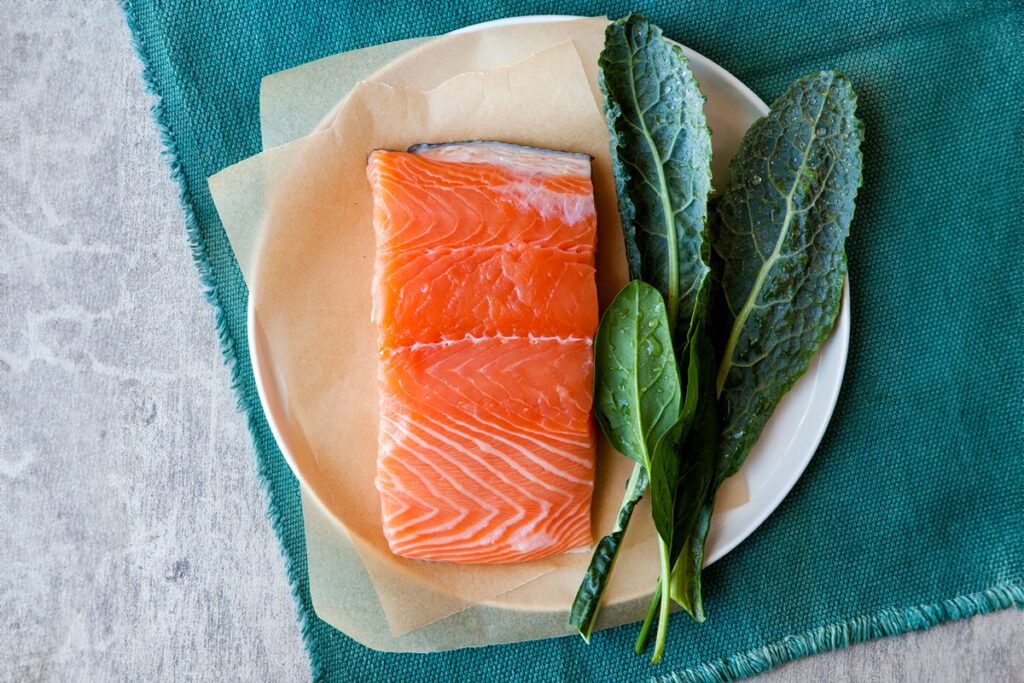
The Dietary Approaches to Stop Hypertension (DASH) diet is a flexible eating plan that focuses on fresh and nutritious foods. Eating according to the DASH guidelines can help lower blood pressure and levels of LDL (bad) cholesterol.
The diet includes a wide range of foods, which may make it easier to adapt to. In addition to its emphasis on specific food choices, the diet recommends a certain number of servings for each food category. You can start by making changes slowly and gradually adopting a more comprehensive diet shift.
To support heart health and reduce blood pressure, it may also be beneficial to incorporate additional lifestyle measures. This includes limiting alcohol if you drink, quitting smoking if you smoke, and engaging in physical activity. A doctor might also recommend medications for hypertension.
—————-
Need a diagnosis or prescription quickly? Optum Perks offers personalized on-demand care in as little as 15 minutes. For $39, answer a few questions online and receive a diagnosis and treatment plan from a US-licensed healthcare professional. Get started here.

What is the DASH diet?
The DASH diet is an eating plan that may help support good heart health. It provides general guidelines for foods to eat and foods to avoid, along with recommended portion sizes.
Foods to eat on the DASH diet include:
- vegetables, fruits, whole grains
- low fat or no-fat dairy
- fish, poultry
- nuts, seeds, vegetable oils
Foods to avoid on the DASH diet include:
- fatty meats
- full-fat dairy
- sugar-sweetened beverages
- sweets
- sodium
According to the National Institutes of Health (NIH), you may want to aim for the following portions:
- 6 to 8 daily servings of whole grains
- 6 or fewer daily servings of meat, poultry, or fish
- 4 to 5 daily servings each of fruits and vegetables
- 4 to 5 servings per week of nuts, seeds, and dry beans.
The DASH diet plan recommends choosing foods that are low in sodium, saturated fats, and trans fats. Foods you eat should ideally be high in protein, fiber, calcium, potassium, and magnesium.
What are the benefits of the DASH diet?
The DASH diet can help treat hypertension by lowering blood pressure. It can also reduce LDL (bad) cholesterol, which can contribute to improved heart health.
A 2020 review of studies found that the DASH diet reduced blood pressure regardless of whether a person had hypertension. The review also found that having a higher baseline sodium intake and being a younger age could increase the blood pressure-lowering effect of the DASH diet.
According to the National Kidney Foundation, the diet can also slow the progression of kidney disease. However, if you already have chronic kidney disease, it’s best to speak with a doctor or dietitian, if you have access to one. The DASH diet may not be appropriate for people who are on dialysis.
Tips to help you follow the DASH diet
You can adjust the DASH diet in several ways to make it easier to follow. This includes making changes to the diet to meet your individual needs, such as avoiding foods you may have an intolerance or allergy to.
Tips that may make it easier to follow the DASH diet include:
- slowly increasing your fiber intake to avoid bloating or gas
- reducing sodium slowly if you find it too difficult to reduce it all at once
- flavoring foods with herbs and spices instead of salt
- grilling, steaming, poaching, or roasting food instead of frying
- choosing fewer highly processed foods like chips, candies, and pastries
- reading food labels to learn about serving sizes
- keeping a food journal to track your servings and sodium intake
You can ease into the DASH diet by making small changes at first and gradually increasing your intake of heart-healthy foods.
Other treatment options
Several other treatment methods can help treat hypertension, such as:
Medication options
To help treat hypertension, a doctor may recommend taking medication. According to the Food and Drug Administration (FDA), most people who take medication for high blood pressure take more than one type of medication.
First-line medications for high blood pressure include:
- thiazide diuretics, such as hydrochlorothiazide (Aquazide), chlorthalidone (Thalitone), indapamide (Lozol)
- calcium channel blockers, such as nifedipine (Procardia) and amlodipine (Norvasc)
- angiotensin converting enzyme (ACE) inhibitors, such as ramipril (Altace) and perindopril (Aceon)
- angiotensin II receptor blockers (ARBs), such as losartan (Cozaar) and telmisartan (Micardis)
Several other drug classes are also available to treat high blood pressure. A doctor might recommend one of these or a combination of medications. Examples include:
- beta-blockers like atenolol (Tenormin)
- peripherally acting alpha-adrenergic blockers, such as doxazosin (Cardura)
- centrally acting alpha adrenergics, such as clonidine (Catapres)
- renin inhibitors, such as aliskiren (Tekturna)
————-
If you need help covering the cost of medications, the free Optum Perks Discount Card could help you save up to 80% on prescription drugs. Plus, you can now get them delivered to your home in as little as 3 days. Search for your medication here.
Free prescription coupons
Seriously … free. Explore prices that beat the competition 70% of the time.
Get free cardLifestyle measures
In addition to adopting a nutritious eating plan such as the DASH diet, a doctor might also recommend incorporating certain measures into your lifestyle to help lower blood pressure. These include:
- avoiding or limiting alcohol, if you drink
- getting regular exercise
- maintaining a healthy weight
- quitting smoking, if you smoke
- managing your stress levels
- getting high quality sleep
Even small changes can make a big difference to your blood pressure. According to the NIH, losing even 3 to 5% of body weight over a period of 6 months can help.
Summary
The DASH diet is a flexible eating plan that focuses on fresh food that’s low in salt and unhealthy fats. The diet recommends several portions of whole grains, fruits, and vegetables every day, with a few servings a week of nuts, seeds, and dry beans.
There is research evidence to show the DASH diet helps reduce blood pressure. In addition to changing eating habits, other lifestyle measures can also help support good heart health, including exercise, quitting smoking, and avoiding alcohol.
Many medication options can also help treat hypertension. First-line treatments include diuretics, calcium channel blockers, ACE inhibitors, and ARBs.
If you regularly experience high blood pressure levels, consider speaking with a healthcare professional to better understand your treatment options.
—————
Download the free Optum Perks Discount Card to save up to 80% on many prescription medications. Plus, you can now get them delivered to your home in as little as 3 days. Search for your medication here.