


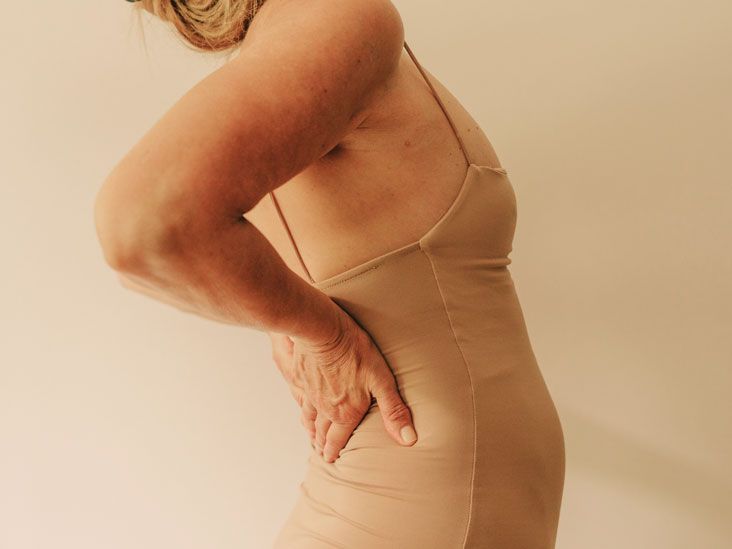
You might be experiencing lower back pain for many reasons, from milder muscle strains to more serious injuries or nerve pain. It might even be due to issues affecting the organs in your lower back, such as your kidneys.
Lower back pain, also known as lumbago, can make everyday life difficult and painful, but it’s usually temporary. Over-the-counter (OTC) and self-care remedies are often enough to help ease your pain while you recover. Sometimes, you might need stronger prescription medications.
If your pain isn’t going away, speak with a doctor. They will be able to examine you to check whether there are any underlying conditions to address.
—————-
Need a diagnosis or prescription quickly? Optum Perks offers personalized on-demand care in as little as 15 minutes. For $39, answer a few questions online and receive a diagnosis and treatment plan from a US-licensed healthcare professional. Get started here.

What causes lower back pain?
The best treatment for your lower back pain will likely depend on the cause. Several things could be causing it, and some are more serious than others.
Some common causes of lower back pain include:
- Sprains and strains: This may happen during exercise or when lifting heavy objects. It will usually go away with time, and you can manage it with OTC medications.
- Herniated discs: Also known as slipped discs, these are when part of a disc in your spine is pushed out of place due to a tear. In severe cases, this might need surgery, but this will usually get better with OTC pain relievers or spinal injections.
- Osteoarthritis: Osteoarthritis results from wear and tear to your joints and can affect your lower back. You can help manage it with steroid injections and even surgery in severe cases.
- Lumbar spinal stenosis: This is where the lower part of your back becomes compressed. The pain might radiate down into your legs. You can manage the pain with OTC options, or doctors might prescribe epidural injections or surgery.
Treating lower back pain at home
Even in cases where doctors prescribe stronger treatments, they will likely also recommend home remedies to help relieve pain.
Applying hot or cold packs can increase blood flow to the area and promote muscle healing in the lower back. Experts often recommend avoiding bedrest as light movement can also promote healing. It’s also important to avoid intense exercise while you recover.
OTC pain relievers are common and can help ease symptoms, such as nonsteroidal anti-inflammatory drugs (NSAIDs) like ibuprofen (Advil) and naproxen (Aleve). You might also try topical NSAIDs that you apply to your skin directly. These include diclofenac (Voltaren).
Exercise for lower back pain
There are also some exercises and stretches that may help ease lower back pain. According to a 2021 research review, moderate exercises such as Pilates, muscle and core exercises, and aerobic exercise may reduce pain and prevent disability in people with chronic lower back pain.
You can also try gentle yoga stretches like the Child’s Pose, a seated spinal twist, and pelvic tilts to open up the muscles in your back.
Always listen to your body. If you find a certain exercise too painful, try to avoid it to prevent further injury. Always start slowly and gradually build up to more exercise.
Doctors may recommend physical therapy with an expert coach to help improve back pain or recovery from an injury.
Prescription treatments for lower back pain
If lower back pain lasts longer than 1 to 2 weeks, it may be time to speak with a healthcare professional. Stronger prescription treatments may be necessary. These include:
- Muscle relaxers: These work on your nervous system to relax your muscles, which can help if you have muscle spasms. Examples include metaxalone and cyclobenzaprine (Amrix). Doctors should consider the risk of side effects and dependence before prescribing them.
- Corticosteroid injections: Doctors might inject medications such as cortisone into your back to reduce pain. This is especially true if your back pain is due to arthritis, but they may also help with other causes.
- Stronger pain medications: If your pain is very severe, doctors might prescribe stronger opioid pain medications, such as oxycodone (Oxycontin) and tramadol (Qdolo).
- Antidepressants: Some doctors may prescribe antidepressant medications for back pain. An older 2016 study suggests that duloxetine (Cymbalta) may help with chronic lower back pain.
Sometimes, surgery may be necessary to repair your back. For example, a discectomy may be an option to repair a slipped disc. Surgeries are usually a last resort if other treatments aren’t effective.
————-
If you need help covering the cost of medications, the free Optum Perks Discount Card could help you save up to 80% on prescription drugs. Plus, you can now get them delivered to your home in as little as 3 days. Search for your medication here.

Free prescription coupons
Seriously … free. Explore prices that beat the competition 70% of the time.
Get free cardSummary
Lower back pain can have a huge effect on your well-being, especially if it’s long lasting or severe. It can have many different causes, from injuries to arthritis. Sometimes, you can treat lower back pain effectively at home, but you may need prescription treatments in other cases.
Certain OTC medications, hot and cold packs, and light exercise and stretching can help manage lower back pain at home. If your pain doesn’t go away, consider speaking with a doctor. The pain might be due to an underlying condition that will need treatment.
—————
Download the free Optum Perks Discount Card to save up to 80% on many prescription medications. Plus, you can now get them delivered to your home in as little as 3 days. Search for your medication here.