


Blood pressure indicates how much force your blood puts on the walls of the arteries as the heart pumps it around your body. It’s typically represented by two values — systolic pressure (the higher number) and diastolic pressure (the lower number).
According to the American Heart Association (AHA), healthy blood pressure is generally 120/80 milllimetres of mercury (mm Hg). Low blood pressure, or hypotension, refers to when systolic and diastolic values drop lower than 90/60 mm Hg.
Symptoms of low blood pressure may include:
- dizziness and lightheadedness
- fainting
- blurry vision
- heart palpitations
- nausea
- fatigue (low energy)
- shortness of breath
Chronic hypotension is when symptoms and readings persist over time, while acute hypotension is a sudden and temporary drop in blood pressure. Acute cases may sometimes require immediate medical attention.
Does dehydration cause low blood pressure?
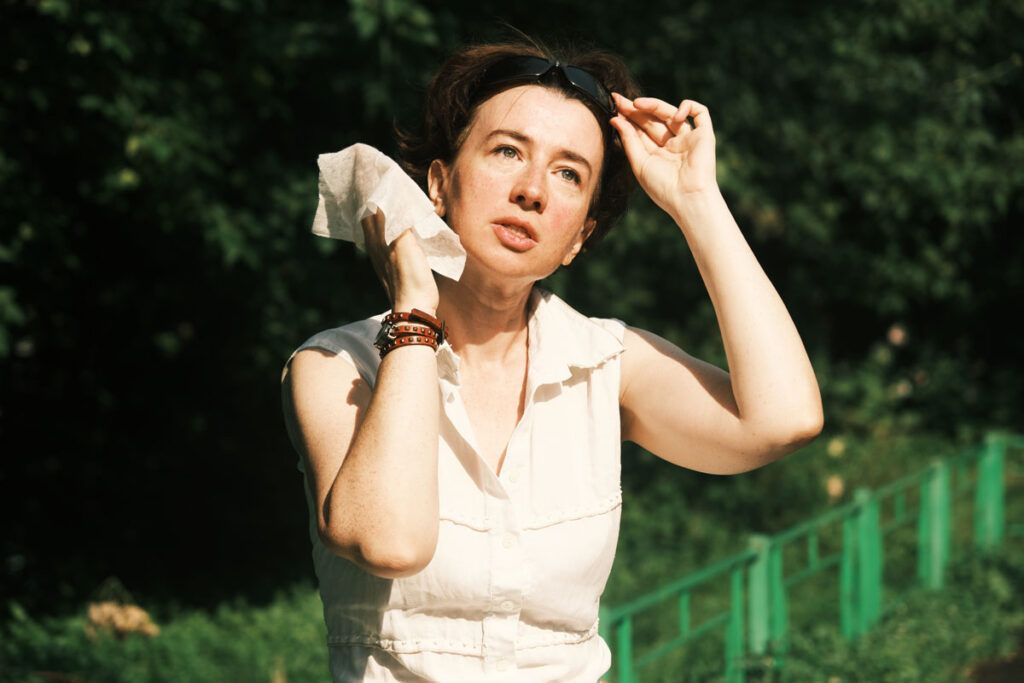
Yes. Moderate to severe dehydration may lead you to experience low blood pressure.
Your body is 55–65% water, and water plays a key role in most biological functions. This includes maintaining healthy blood pressure.
When your body loses more fluids than it takes in, you get dehydrated, and blood volume decreases. In turn, this can lead to a drop in blood pressure.
Causes of dehydration may include not drinking enough liquids, especially when you are:
- exercising
- outdoor in higher temperatures
- sick with vomiting or diarrhea
- sweating for other reasons
Symptoms of dehydration-related low blood pressure may include:
- increased thirst
- dry skin
- dry mouth
- muscle cramps
- dizziness and fainting
- dark or cloudy urine and peeing less frequently
- headaches
- fainting
- heart palpitations
- fatigue and weakness
Severe dehydration may put your life in jeopardy and requires fluid therapy, ideally under medical supervision.
Although rare, dehydration may sometimes lead to high blood pressure (hypertension) instead of hypotension.

Other causes of low blood pressure
While dehydration may be a contributing factor to low blood pressure, living with underlying health conditions can also lead to hypotension.
According to the AHA, some of the common causes of low blood pressure include:
- Heart disease: Conditions such as heart valve disorders, congenital heart conditions, or heart failure may change your blood pressure readings.
- Endocrine conditions: Disorders such as adrenal insufficiency (Addison’s disease), diabetes, or an underactive thyroid (hypothyroidism) can disrupt the balance of hormones responsible for regulating blood pressure.
- Sudden blood loss: A drop in blood volume, caused by things such as major trauma or internal bleeding, may lead to hypotension.
- Medications: Some medications, such as those used to treat high blood pressure, diuretics, or erectile dysfunction drugs will drop your blood pressure.
- Anaphylaxis: An anaphylactic shock is when a person is exposed to something they are severely allergic to, such as a bee sting, tree nuts, or penicillin. Strong allergic reactions may affect your blood pressure.
- Pregnancy: You may experience lower-than-usual blood pressure, especially within the first 24 weeks.
- Nutrition: Being deficient in folic acid or vitamin B12 may cause anemia, which can lead to hypotension.
- Standing up: Some people’s blood pressure drops when they stand up quickly. This type of low blood pressure is called orthostatic or postural hypotension. It may signal an underlying condition or it could be an isolated and temporary incident.
How to manage low blood pressure from dehydration
Prevention is key to avoiding dehydration-related low blood pressure. Staying hydrated by drinking adequate fluids throughout the day is essential.
The general recommendation is that men drink 0.81 gallons (3.7 liters) of water per day and women 0.6 gallons (2.7 liters) per day. This includes water from foods and all types of fluids. These numbers are general guidelines and will vary from person to person. If you’re more active or exposed to higher temperatures, for example, you will likely require more liquids.
If you, or someone you are taking care of, experience severe dehydration, it’s best to seek emergency medical attention. This way, a doctor can support rehydration, for example through intravenous (IV) methods.
If you need help covering the cost of medications, the free Optum Perks Discount Card could help you save up to 80% on prescription drugs. Follow the links on drug names for savings on that medication, or search for a specific drug here.

Free prescription coupons
Seriously … free. Explore prices that beat the competition 70% of the time.
Get free cardHypotension treatment
For chronic cases of low blood pressure, the treatment may depend on the cause. Milder cases of hypotension may not require treatment at all.
Hypotension treatment may involve addressing underlying causes such as nutritional deficiencies, heart problems, or diabetes.
A doctor may recommend medications for severe hypotension that causes significant symptoms.
Home options include:
A healthcare professional may administer intravenous (IV) therapy using:
- midodrine (Orvaten)
- norepinephrine (Levophed)
- phenylephrine (Vazculep)
If you experience low blood pressure often or think your symptoms are severe or recurrent, it’s highly advised that you consult with a medical professional.
Summary
Dehydration may cause low blood pressure, leading to symptoms such as dizziness and fainting.
While you can manage dehydration-induced hypotension through increased fluid intake, chronic cases may require medical intervention and the use of medications.
If you’re experiencing symptoms of low blood pressure, especially together with dehydration, it’s best to consult a doctor for appropriate guidance and treatment.
Download the free Optum Perks Discount Card to save up to 80% on some prescription medications.