


Key takeaways
- People with diabetes generally need to be mindful of their dietary choices to avoid unwanted impacts on their blood sugar levels.
- Dairy milk and many milk alternatives are healthy options for people with diabetes to drink, and they can help support a diabetes treatment plan.
- Consider avoiding milk drinks that are high in added sugar or sweeteners, such as rice milk or flavored milk.
Overview
Managing blood sugar levels is essential for people with diabetes, and your diet plays a significant role in this process. Choosing the right milk for you might be an important step in achieving this goal.
Different types of milk may affect your body differently, and some may not be advised for people with diabetes. Choosing the right milk for you is just one part of diabetes management, along with monitoring your blood sugar and taking any prescribed medications.
—————-
Need a diagnosis or prescription quickly? Optum Perks offers personalized on-demand care in as little as 15 minutes. For $39, answer a few questions online and receive a diagnosis and treatment plan from a US-licensed healthcare professional. Get started here.

How does milk affect diabetes
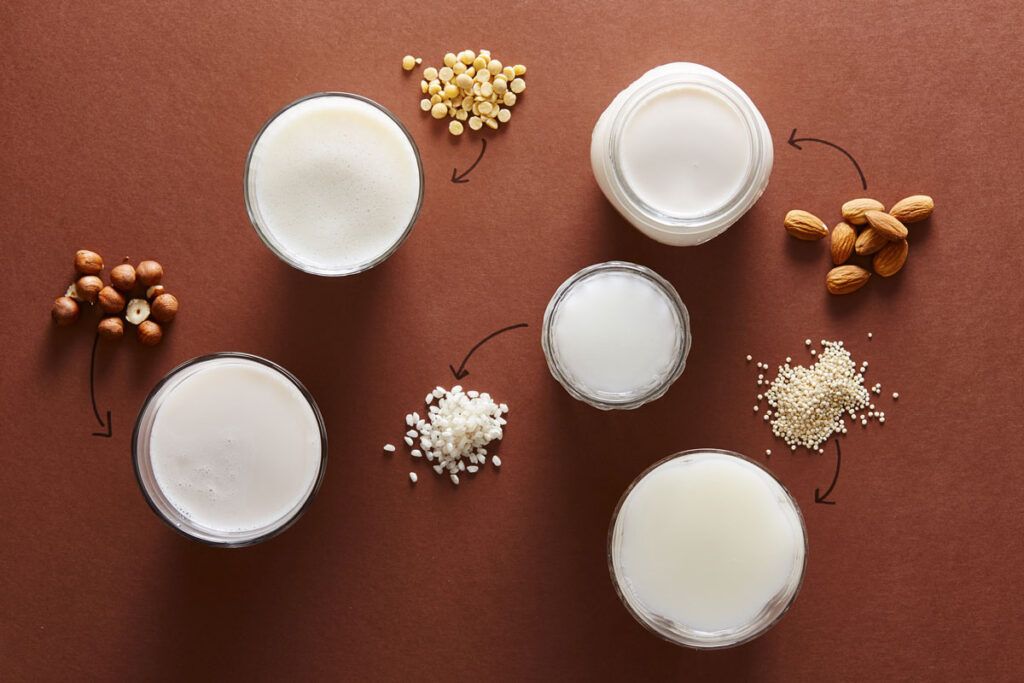
There are several different ways that milk can have an impact on your body if you have diabetes. Some of the most common include:
Carbohydrate content
The main carbohydrates found in food and drinks are starches, sugars, and fiber. The sugars in dairy milk (lactose) can raise blood sugar levels.
Plant-based drinks made from grains like rice and oats often have a higher content of carbohydrates like glucose and sucrose than whole dairy milk, whose main carbohydrates come from lactose.
Even when they are unsweetened, the manufacturing process can break down complex carbohydrates into sugars, resulting in higher sugar content.
Glycemic index
The glycemic index (GI) measures how quickly food raises blood sugar levels. Milk with a low GI, like unsweetened almond milk and unsweetened soy milk, causes a slower and more gradual increase in blood sugar levels than sweetened milk with a higher GI.
Dairy milk is considered to be a low-GI drink that’s unlikely to have a great effect on blood sugar levels. Some research suggests that milk products can increase insulin secretion. This means that milk is generally a good choice for maintaining stable blood sugar levels.
Protein
Protein helps you feel less hungry and can help manage sugar cravings. Unsweetened soy milk and dairy milk are both good sources of protein.
Dairy milk proteins contain higher levels of branched-chain amino acids (BCAAs) than other animal proteins. BCAAs stimulate the secretion of hormones like insulin and glucagon, which are important in regulating blood sugar.
Fat content
Whole cow’s milk is made up of 3.5% milkfat, low fat milk has 1% milkfat, and fat-free milk has no milkfat.
A diet high in saturated fats can raise your risk of heart disease. Adults with diabetes are twice as likely to develop heart disease than those without the condition. Animal products like dairy contain higher levels of saturated fats than plant-based foods.
Plant-based milk drinks have different fat percentages to cow’s milk, and the nutritional information tends to depend on whether they are sweetened or unsweetened. Even then, the amount of total fat will vary by plant.
Vitamin D
Vitamin D may protect against diabetic foot ulcers and lower your risk of insulin resistance.
In many states, the law requires milk producers to fortify their milk or milk alternatives with vitamin D.
Dairy milk for diabetes
Because dairy milk can be high in fat and carbohydrates, it’s a good idea to be mindful of portion sizes. Additionally, low fat or fat-free options may be better dairy milk options for people with diabetes.
In the United States, the primary sources of dairy milk are:
- Cow’s milk: Cow’s milk contains natural sugars, such as lactose, which contribute to its carbohydrate content.
- Goat’s milk: Goat’s milk contains less lactose than cow’s milk, which means that it may be less likely to cause spikes in blood sugar levels.
Unsweetened plant-based milk alternatives for diabetes
Some plant-based milk alternatives you can find at many grocery stores include:
- Almond milk: Almond milk has a low GI and is low in carbohydrates, resulting in a minimal effect on blood sugar levels.
- Soy milk: Soy milk is another low carbohydrate option for people with diabetes. Its comparatively high protein content may help with maintaining steady blood sugar levels.
- Oat milk: Oat milk is quite high in carbohydrates, specifically beta-glucans. Beta-glucans are a type of soluble fiber that may help stabilize blood sugar levels.
Milk types to limit or avoid
Some milk drinks could negatively affect a diabetes management plan.
Flavored milk drinks
Flavored milk drinks are typically high in added sugars and can cause spikes in blood sugar levels. These include:
- chocolate milk
- sweetened, milk-based coffee drinks
- milkshakes
Coconut and rice milk
Despite being low in sugar and carbohydrates, coconut milk is high in saturated fats.
Rice milk has a high sugar content, which can cause blood sugar spikes.
Full-fat dairy milk
Full-fat milk contains high amounts of saturated fats, which may contribute to increased cholesterol levels and heart disease risk.
While people with diabetes can consume full-fat milk in moderation, experts recommend choosing skim milk or low fat milk to manage saturated fat intake.
Sweetened plant-based milk
Certain plant-based milk alternatives, such as sweetened almond or coconut milk, can contain significant added sugars.
Reading nutrition labels and choosing unsweetened varieties can help you limit sugar intake.
Commonly prescribed drugs for diabetes
Dietary choices are just one part of a type 2 diabetes treatment plan, which often includes medication.
Some drugs a healthcare professional might prescribe for type 2 diabetes include:
- metformin (Fortamet)
- glimepiride (Amaryl)
- linagliptin (Tradjenta)
- canagliflozin (Invokana)
- liraglutide (Vitctoza)
- nateglinide (Starlix)
- pioglitazone (Actos)
- acarbose (Precose)
- insulin detemir (Levemir)
Learn more about diabetes medication from Optum Perks.
————-
If you need help covering the cost of medications, the free Optum Perks Discount Card could help you save up to 80% on prescription drugs. Plus, you can now get them delivered to your home in as little as 3 days. Search for your medication here.

Free prescription coupons
Seriously … free. Explore prices that beat the competition 70% of the time.
Get free cardSummary
Avoiding milk options high in sugar and fat may be beneficial for people with diabetes. Instead, you may want to choose unsweetened options that are low in fat and rich in protein.
By making informed choices, you can enjoy the benefits of dairy and plant-based milk while managing your blood sugar levels.
—————
Download the free Optum Perks Discount Card to save up to 80% on many prescription medications. Plus, you can now get them delivered to your home in as little as 3 days. Search for your medication here.