


Driving anxiety may mean you constantly experience fear of this activity and want to avoid it as much as possible.
Anxiety refers to sudden feelings of intense panic or worry that may come suddenly, or after facing a specific event. Sometimes, you may experience anxiety by anticipating or thinking about the event.
Anxiety disorders are a group of conditions characterized by these feelings, among other symptoms. Phobias and panic disorder are two examples of anxiety disorders.
Anxiety induced by the thought or act of driving may result from living with an anxiety disorder, or it could also be associated with traumatic past experiences.
This article discusses the common causes of driving anxiety and how to manage it.
What is driving anxiety?
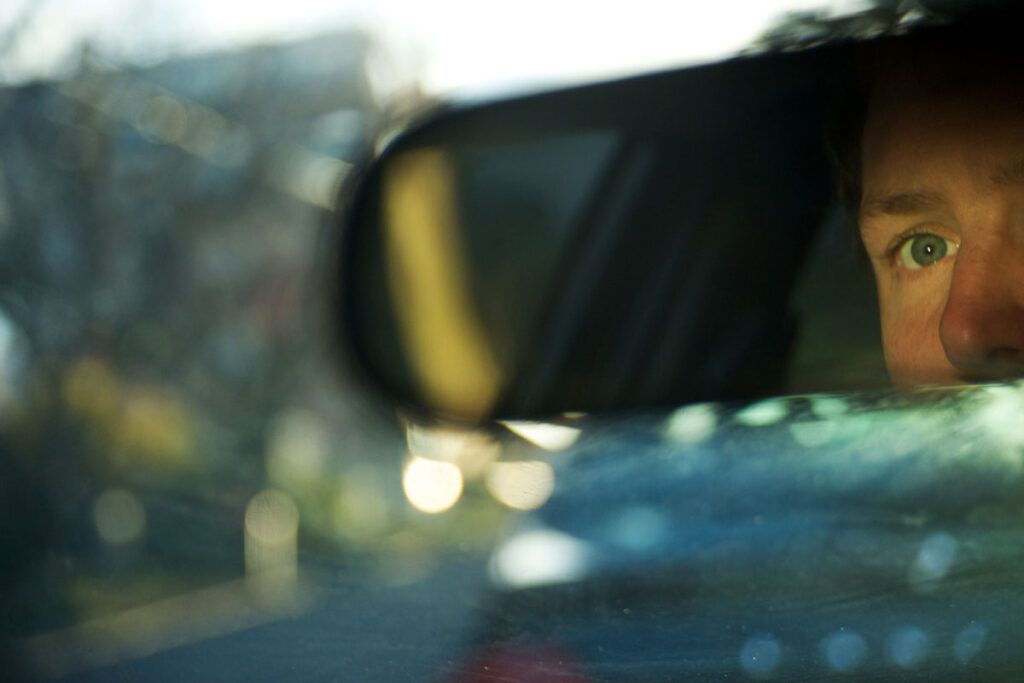
Driving anxiety refers to experiencing common symptoms of anxiety when:
- riding a motor vehicle like a car or motorcycle
- driving a motor vehicle
- anticipating driving
- thinking of driving
It is also possible that you experience driving anxiety in specific situations only. For example, driving at night or over a bridge, or when changing lanes.
You may experience mild or intense symptoms of driving anxiety.
Driving anxiety isn’t a formal diagnosis or type of anxiety disorder. But its symptoms may suggest one of them.
The Diagnostic and Statistical Manual of Mental Disorders, 5th edition, text revision (DSM-5-TR), a reference handbook mental health professionals use to accurately diagnose conditions, lists 11 anxiety disorders, including:
- specific phobia
- panic disorder
- social anxiety disorder
- separation anxiety disorder
- generalized anxiety disorder
Each anxiety disorder has its own diagnostic criteria and list of symptoms. Intense worry, fear, or preoccupation that interferes with everyday activities is a common symptom.
Driving anxiety may or may not be a symptom of an anxiety disorder. If it is, triggers may be different in every case.
For example, you may be anxious to drive with other people if you live with social anxiety, or cars may induce panic attacks if you live with panic disorder.
If you live with a phobia of cars, you may want to avoid at all costs what causes that fear. Driving anxiety may be caused by amaxophobia (fear of riding in a vehicle as the driver or passenger) or ochophobia or motorphobia (fear of a motor vehicle itself).
Only a mental health professional can diagnose anxiety disorders accurately.

Symptoms of driving anxiety
Driving anxiety may lead to these symptoms:
- an intense feeling of fear or nervousness
- racing heart, sweating, or shaking
- nausea and vomiting
- shortness of breath or chest pain
- avoidance of all or specific vehicles
- faintness or dizziness
- dry mouth
- difficulty concentrating or thinking clearly
If you have driving anxiety, you may also experience:
- the feeling that something bad is about to happen
- a sense of hopelessness or that nobody will help
- loss of control over your actions, like being paralyzed
What causes driving anxiety?
The cause of anxiety has not been established yet. Experts suspect it may be a combination of genetics, environmental factors, and life experiences.
Driving anxiety may be the result of living with an anxiety disorder or another event, including:
- Fear of panic attacks or anxiety symptoms while driving: If you have experienced panic attacks before or live with other anxiety symptoms, you may worry about losing control while driving. This is known as anticipatory anxiety, which means you experience the symptoms just by thinking they may happen.
- Past traumatic experiences: If you have been in a car accident or know someone else who has, you may be more likely to experience anxiety when driving. Living with post-traumatic stress disorder (PTSD) may also lead some people to fear driving or riding in a car, but this is not the case for everyone.
- Other negative driving experiences: Driving anxiety may also result from associating vehicles with a painful or stressful past event or from being in a place where driving may be perceived as challenging. For example, driving near a ridge or busy highway.
Driving anxiety treatment
Treatment for anxiety often involves a form of psychotherapy. Self-care may also help you cope.
Discussing your symptoms with a mental health professional may help you explore possible root causes. Addressing these can lead to decreased driving anxiety and other anxiety symptoms.
Talk therapy
Talk therapy is also known as psychotherapy. It is the first line of treatment for anxiety disorders.
Exposure therapy is a common strategy for phobias and other disorders. Your therapist may expose you to your fear’s cause while ensuring you are in a controlled and safe environment. For example, they may ask you to watch a video of someone driving.
A small 2018 study and a 2020 pilot study suggest that exposing people to their fears using virtual reality may improve symptoms of driving anxiety.
Other therapy options for anxiety include:
- Cognitive behavioral therapy (CBT): Focuses on re-assessing your thoughts so you learn to respond to situations differently.
- Acceptance and commitment therapy (ACT): Goal setting and mindfulness are frequent strategies for managing discomfort and anxiety. ACT is a newer therapy treatment option for anxiety.
————-
If you need help covering the cost of medications, the free Optum Perks Discount Card could help you save up to 80% on prescription drugs. Plus, you can now get them delivered to your home in as little as 3 days. Search for your medication here.

Free prescription coupons
Seriously … free. Explore prices that beat the competition 70% of the time.
Get free cardNatural remedies and self-care strategies
Natural management options do not replace treatment but may complement your efforts.
Although more research is needed to validate its efficacy for driving anxiety, the National Centre for Complementary and Integrative Health suggests these strategies may help:
Other coping options include:
- reducing your caffeine consumption
- eating a nutrient-dense diet
- not skipping meals
- engaging in regular physical activity
- logging common anxiety triggers in a journal
- discussing how you feel with a trusted friend or counselor
Summary
Driving anxiety refers to experiencing sudden fear or worry when thinking of or operating or riding a vehicle.
Causes may include traumatic events, anxiety disorders, or being new at driving.
Managing driving anxiety is possible. Working with a mental health counselor may help.
—————
Download the free Optum Perks Discount Card to save up to 80% on many prescription medications. Plus, you can now get them delivered to your home in as little as 3 days. Search for your medication here.