


Gout is a form of inflammatory arthritis that affects your joints, usually those furthest from your heart. This means that symptoms mainly occur in your feet, such as your big toe or ankle joint. People sometimes refer to this as gout foot.
It can cause pain and swelling in your joints that worsen when you put pressure on them. So, if you have gout, you may be wondering: Does walking on a gout foot make it worse?
Though walking is completely unrelated to the underlying medical reasons for gout, a gout flare-up can make walking painful. If this is the case, healthcare professionals generally recommend resting your foot until the pain improves. But walking itself isn’t likely to make gout worse.
—————-
Need a diagnosis or prescription quickly? Optum Perks offers personalized on-demand care in as little as 15 minutes. For $29, answer a few questions online and receive a diagnosis and treatment plan from a US-licensed healthcare professional. Get started here.

Can you walk on a foot with gout?
When you’re experiencing a gout flare-up, healthcare professionals recommend that you avoid weight-bearing activities like standing and walking to help prevent further pain and inflammation.
Instead, keeping your foot raised while sitting and applying ice to the area can help relieve the pain until the gout flare-up passes.
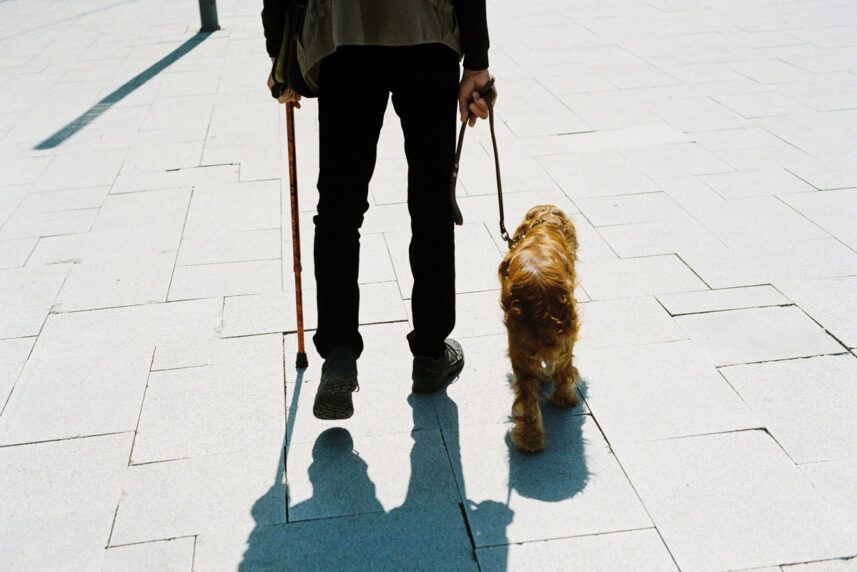
Walking with a cane may help reduce pressure on your foot and allow you to walk with less pain. Once the gout flare-up subsides, you may resume low impact exercises.
Is exercise a trigger for gout?
Gout is triggered by too much uric acid, or urate, in the body. When your body breaks down chemicals called purines in certain food and drinks, it creates urate. Too much urate can form crystals around the joints, which is what causes the pain and swelling associated with gout.
Gout is not caused by exercise: According to some 2020 research, low to moderate intensity exercise may actually have an anti-inflammatory effect in people with gout, aiding with swelling. That said, strenuous exercise has no particular positive effect.
Movement, in general, can help relieve pain, improve joint function, and maintain mobility. Particularly for people with gout who also have overweight or obesity, reducing weight on the joints can help limit gout attacks.
It’s important to also note that long-term, high intensity exercise may increase your levels of uric acid, which can ultimately worsen gout. Intense exercise may also increase pain to your joints.
The Centers for Disease Control and Prevention (CDC) recommends choosing activities with limited impact on the joints, such as cycling, walking, and swimming, and making sure you do them in between flare-ups.
Exercising safely
Exercise is recommended for people with gout who are not currently experiencing a painful flare-up. The CDC recommends engaging in physical activity programs, often available in community and health centers, that help people exercise safely and regularly.
You can also try physiotherapy with a healthcare professional to help guide you through exercises that are designed to help with gout, which 2023 research notes is an acceptable treatment method.
Treatments
The most common forms of treatment for acute gout include nonsteroidal anti-inflammatory drugs (NSAIDs) like ibuprofen (Advil) and naproxen (Aleve). A medication called colchicine (Colcrys) is also available to help treat gout-related inflammation.
In the case of more severe gout pain, your doctor may prescribe a low dose of corticosteroids like prednisone (Prelone) or prednisolone (Orapred). You can take these orally or may receive an injection into your big toe joint.
Medications are also available to help lower urate levels. Some, such as as allopurinol (Zyloprim) and febuxostat (Uloric), do this by blocking the enzyme responsible for making uric acid. Others, including probenecid (Probalan), help your body flush out uric acid naturally.
In addition to managing pain, you can help prevent future flare-ups by avoiding foods high in uric acid. These commonly include:
- red meat
- organ meats like liver
- alcoholic drinks, especially beer
- sugary drinks
————-
If you need help covering the cost of medications, the free Optum Perks Discount Card could help you save up to 80% on prescription drugs. Plus, you can now get them delivered to your home in as little as 3 days. Search for your medication here.

Free prescription coupons
Seriously … free. Explore prices that beat the competition 70% of the time.
Get free cardOnline care for gout
If you’re having a gout flare-up, medications can help. If you have a previous diagnosis of gout and you’re having an attack, speaking with a doctor can be helpful to receive the right medications for you.
Online care services, including Optum Perks Online Care, may make getting treatment easier. With these services, you can submit an online form answering a few questions about your symptoms, and a US-licensed healthcare professional will respond soon after to prescribe a treatment plan.
Summary
Walking on a gout foot won’t make gout worse, nor will it make you more likely to experience a flare-up. But if you’re experiencing a flare-up, walking can worsen your symptoms of pain and swelling, so it’s recommended to rest during these times.
People with gout should engage in gentle to moderate forms of exercise, including walking and cycling, to help prevent gout flare-ups. If flare-ups make walking painful, take the time to rest until the pain subsides, or consider using a cane to help reduce pressure on your joints.
—————
Download the free Optum Perks Discount Card to save up to 80% on many prescription medications. Plus, you can now get them delivered to your home in as little as 3 days. Search for your medication here.