


Heartburn describes a burning sensation in your chest that may worsen if you lie down. Acid reflux, which is when acid from your stomach or bile travels up through your food pipe, causes this pain.
If you get heartburn regularly, you may be living with gastroesophageal reflux disease (GERD). Treatment is available for GERD and acid reflux, including home remedies.
Should you drink milk when you have heartburn?
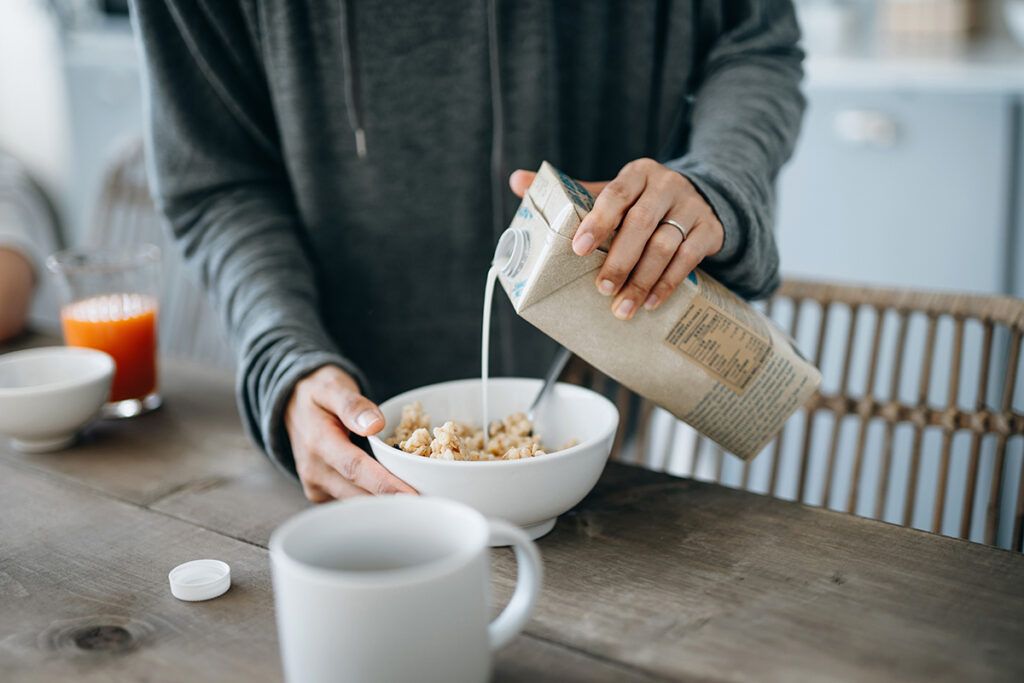
Some people may find that milk temporarily helps their heartburn symptoms, but research does not back up milk as an effective remedy for all cases of heartburn.
Milk is a good source of calcium and protein. Research suggests that a high protein intake, including milk, may make long-term (chronic) heartburn less likely to develop.
Research also suggests that high fat foods and diets, in general, may worsen symptoms.
The high fat content in whole cow’s milk can make heartburn worse for some people. It may also worsen symptoms if you have milk intolerance or allergy.
Low fat milk may be a better option if you find temporary relief from drinking milk when you have heartburn.
What can you drink for quick heartburn relief?
If you experience heartburn, these drinks may help soothe your symptoms:
- Water: Taking frequent small sips of lukewarm water may help with some GERD symptoms like coughing. Drinking alkaline electrolyzed water daily may also help relieve symptoms of acid reflux, mainly if you follow a plant-based diet.
- Herbal teas: Hot tea may soothe heartburn symptoms for some people. Studies suggest ginger can help with nausea, but more research is needed on how helpful it is for acid production. Some research also suggests that licorice may help with GERD symptoms. Peppermint tea, on the other hand, may worsen them.
- Aloe vera syrup: A 2015 study suggests that oral aloe vera syrup could lower heartburn and other GERD symptoms. But more research is needed to establish the best dose of aloe vera for GERD management.
Research also suggests that avoiding coffee, caffeinated tea, sugary juices, and soda may prevent heartburn.

What foods can neutralize heartburn symptoms?
Research suggests that focusing on a nutrient-dense food plan, such as the Mediterranean diet, may improve GERD symptoms.
Foods that may help include:
- fresh fruits
- fresh vegetables
- high fiber foods, like legumes, nuts, and whole grains
- olive oil
Since each person may respond differently to such foods, it may be helpful to monitor whether these and other foods make your symptoms better or worse.
Consulting with a healthcare professional, like a registered dietitian, may help you customize an eating plan that responds to your needs.
What foods should you avoid if you have heartburn symptoms?
Foods that may trigger heartburn include:
- acidic foods like lemons and tomatoes
- alcohol
- chocolate
- coffee and other caffeinated drinks
- high fat foods
- mint
- spicy foods
What lifestyle changes can help with heartburn?
Experts suggest that lifestyle changes may help you manage GERD and heartburn. These include:
- managing your weight according to your age, height, and overall health
- quitting smoking (if applicable)
- not eating within 3 hours of bedtime
- sleeping with your upper chest slightly elevated
- having regular physical activity
- sleeping between 7 to 9 hours daily
- managing stress with relaxation techniques
Medication options for heartburn
You may be able to manage heartburn with over-the-counter (OTC) medications. If your symptoms do not improve, a healthcare professional may offer you other treatment options.
Medication options for heartburn and GERD symptoms may include:
- Antacids: Antacids such as Maalox and Tums may help neutralize stomach acid and soothe mild heartburn symptoms. Doctors do not recommend using antacids daily or for severe heartburn. Side effects of antacids may include constipation or diarrhea.
- H2 blockers: H2 blockers reduce the amount of acid your stomach produces. Examples include nizatidine (Axid) and famotidine (Pepcid). Some H2 blockers are available OTC, and some may require a prescription.
- Proton pump inhibitors (PPIs): PPIs lower how much acid your stomach makes. Some PPIs, such as lansoprazole (Prevacid) and omeprazole (Prilosec OTC), are available OTC. Experts recommend not using OTC PPIs for more than 2 weeks. Long-term PPIs require a prescription.
————-
If you need help covering the cost of medications, the free Optum Perks Discount Card could help you save up to 80% on prescription drugs. Plus, you can now get them delivered to your home in as little as 3 days. Search for your medication here.

Free prescription coupons
Seriously … free. Explore prices that beat the competition 70% of the time.
Get free cardSummary
Research has not offered clear evidence that milk can help with heartburn. You may find that it provides temporary relief, though. For some people, milk may make heartburn worse in the long run.
Lifestyle changes may be helpful in managing heartburn. For example, a Mediterranean diet, physical activity, and stress management.
Not eating before bedtime, avoiding alcohol and coffee, and quitting smoking (if applicable) may also help.
OTC and prescription medications may help with chronic heartburn symptoms.
—————
Download the free Optum Perks Discount Card to save up to 80% on many prescription medications. Plus, you can now get them delivered to your home in as little as 3 days. Search for your medication here.