


Living with diabetes can increase your risk of developing wounds that are slow to heal. These wounds, known as diabetic ulcers, can lead to serious complications if left untreated.
Diabetes wounds can occur due to nerve damage (neuropathy) and reduced blood circulation (peripheral arterial disease).
Neuropathy can lead to a loss of sensation, making it difficult to spot injuries and wounds. Reduced circulation affects blood flow and immune cell supply to the affected area, which prevents healing.
Why does diabetes affect wound healing?
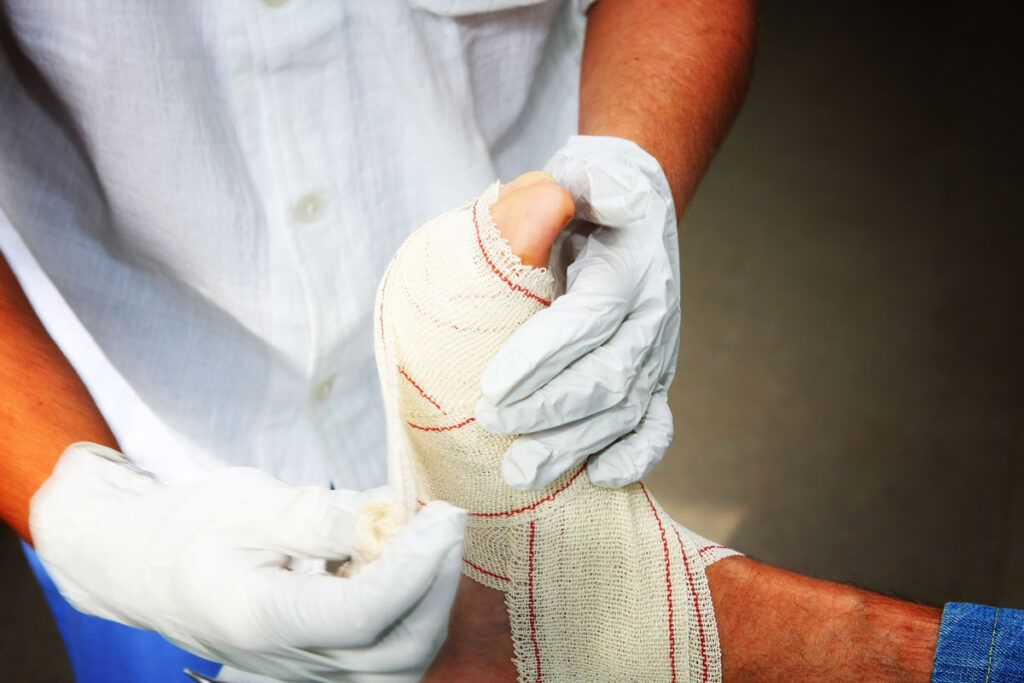
Diabetes affects wound healing due to several factors, including:
- Reduced blood circulation: High blood sugar levels in diabetes can damage blood vessels, reducing blood flow to the wound site. This prevents the delivery of essential nutrients and oxygen for wound healing.
- Weakened immune response: High blood sugar levels can weaken the immune system by impairing the function of white blood cells responsible for fighting off bacteria and preventing infections. This can make you more prone to wound complications and slower healing times.
- Neuropathy: Diabetic neuropathy, or diabetes-related nerve damage, can lead to reduced sensation. This may make it difficult to notice injuries and ulcers in their early stages.
Where are the most common wounds?
Diabetes wounds may appear as open sores or ulcers, often with a red, swollen, or discolored border. They can be painful, have discharge, and may not heal as quickly as typical wounds.
If you have diabetes and notice a slow-healing wound, especially on your feet or legs, it could be a diabetes wound.
The most common wounds associated with diabetes are:

Foot ulcers
Diabetic foot ulcers typically occur on the bottom of the feet or around pressure points. You can help care for them and encourage healing by:
- Keeping the wound clean and dry.
- Applying antibiotic ointment as prescribed by a doctor.
- Offloading pressure from the wound using specialized footwear or special shoe or heel inserts (orthotics).
- Regularly inspecting your feet for infection and seeking medical attention if you have any signs.
- Managing your blood sugar levels as advised by your diabetes team.
Leg ulcers
These wounds often appear on the lower legs and can be quite painful. You can care for and encourage healing by:
- Cleaning the wound gently with mild soap and water.
- Applying sterile dressings.
- Elevating the leg to reduce swelling.
- Monitoring for signs of infection and contacting a doctor if necessary.
- Managing your blood sugar levels as advised by your diabetes team.
Surgical wounds
After surgery, you may have surgical wounds that require special care. This may involve:
- Keeping the incision clean and dry.
- Following post-operative care instructions provided by your surgeon.
- Managing blood sugar levels closely to promote healing.
- Reporting any signs of infection or delayed healing to a doctor.
Skin infections
People with diabetes are more prone to skin infections like cellulitis. Caring for these wounds involves:
- Taking prescribed antibiotics as directed by a doctor.
- Keeping the affected area clean and dry.
- Elevating the area if possible.
- Managing your blood sugar levels as advised by your diabetes team.
How to prevent and treat diabetic foot ulcers
Preventing diabetic foot ulcers is crucial to maintaining your foot health. Prevention may include:
- Foot care: Inspect your feet daily for cuts, sores, or blisters. Keep your feet clean and dry, and use moisturizer to help prevent dry, cracked skin.
- Proper footwear: Wear comfortable, well-fitting shoes to reduce friction and pressure. Avoid going barefoot.
- Foot protection: Use cushioned insoles or orthotics to redistribute pressure on your feet.
- Blood sugar management: Aim to maintain stable blood sugar levels with prescription medications like metformin (Riomet) or insulin (Humalog).
- Regular check-ups: Get regular foot exams to monitor for early signs of ulcers.
If you need help covering the cost of medications, the free Optum Perks Discount Card could help you save up to 80% on prescription drugs. Follow the links on drug names for savings on that medication, or search for a specific drug here.

Free prescription coupons
Seriously … free. Explore prices that beat the competition 70% of the time.
Get free cardConsider speaking with a healthcare professional, like a podiatrist, for personalized guidance on preventing diabetic foot ulcers.
Typical treatment for diabetic foot ulcers includes:
- Wound care: Cleaning the ulcer with mild soap and water and applying an antibiotic ointment like bacitracin or Neosporin.
- Debridement: A doctor may need to remove dead tissue from the wound to promote healing.
- Dressings: Applying sterile dressings to keep the wound clean and moist.
- Offloading: Using specialized footwear or orthotics to reduce pressure on the ulcer.
- Infection control: A doctor may prescribe antibiotics such as ciprofloxacin (Cipro) if the ulcer is infected.
- Pain management: A doctor may recommend ibuprofen (Advil) or acetaminophen (Tylenol) for pain relief.
When to contact a doctor
Contact a doctor or healthcare professional as soon as possible if your:
- wound shows signs of infection like redness or discoloration, swelling, and pus
- wound doesn’t improve or worsens
- wound is painful or slow to heal
- blood sugar levels become difficult to manage
Summary
Healing diabetes wounds can be challenging, but it is possible with the proper care and treatment. Maintaining good blood sugar management is crucial for wound prevention and healing.
Proper wound care, including wound cleaning, is essential for preventing complications. If you notice signs of infection or slow healing, it’s important to seek medical attention as soon as possible.
Download the free Optum Perks Discount Card to save up to 80% on some prescription medications.