


Key takeaways
- Compounded GLP-1s are copies of branded medications using the same active ingredients. They’re usually sold in times of drug shortages, but they’re not approved by the Food and Drug Administration (FDA).
- The safety and effectiveness of compounded medications can’t be guaranteed by the FDA. However, those sold by official, licensed pharmacies are generally safe and legal.
- There are significant safety concerns associated with compounded GLP-1s, including concerns about fraudulent medications entering the market and being sold by illegal online pharmacies.
Overview
Glucagon-like peptide-1 receptor agonists, also known as GLP-1s, are increasing in profile, particularly because of their effectiveness at helping people to lose weight.
The Food and Drug Administration (FDA) has approved several of these medications for different purposes. Some are approved for weight management, whereas others are only approved to manage blood sugar in people with type 2 diabetes.
Compounded GLP-1s are custom-mixed versions of brand-name GLP-1s using the same active ingredients, but these are not approved by the FDA and carry significant safety concerns.
————–
New to GLP-1s or due for a refill? For just $39, connect with a U.S.-licensed healthcare professional today — no membership fees required. If prescribed, your medication ships straight to your door. Start your Rx request here.

What are compounded GLP-1s?
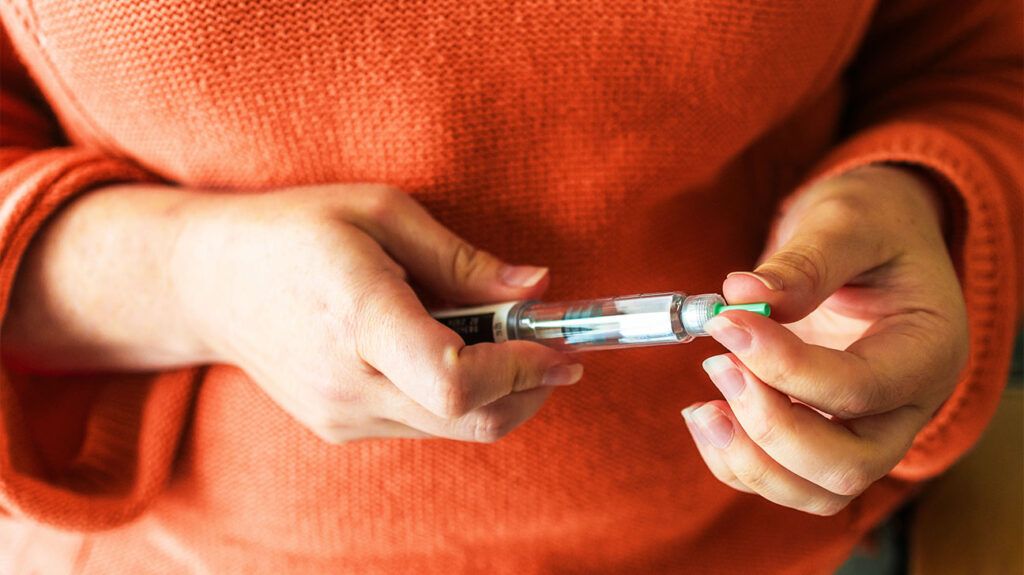
GLP-1 medications have increased in popularity in recent years due to their effectiveness for weight management. This has led to a surge in demand for these medications that manufacturers are not always able to keep up with. This means there are shortages of GLP-1s.
In times of drug shortages, compounding pharmacies are able to use the active ingredients to make a compounded version of the drug. These can be copies of the branded drugs, or in some cases, they may have different quantities of the active ingredient or different inactive ingredients.
Compounded GLP-1s contain the same active ingredients as the branded versions, typically semaglutide or tirzepatide. They may contain different inactive ingredients or come in different packaging.
Compounded medications are legal when made by licensed pharmacies and doctors, and they are generally regulated by the FDA in the United States. However, they haven’t undergone the same testing and research as approved drugs, so they’re often considered “unapproved” or “unlicensed.”
————-
If you need help covering the cost of medications, the free Optum Perks Discount Card could help you save up to 80% on prescription drugs. Plus, you can now get them delivered to your home in as little as 3 days. Search for your medication here.

Free prescription coupons
Seriously … free. Explore prices that beat the competition 70% of the time.
Get free cardAre compounded medications safe?
Compounded medications are not approved by the FDA, which means that the FDA has not verified the safety, effectiveness, or quality of the compounded drugs before they’re sold. However, the active ingredients being used have already been deemed safe and effective in the approved, branded medications.
In general, compounded medications can be safe, and they’re often a good option to meet demand when there are medication shortages. Quality standards still apply to compounded medications, and they need to be manufactured by licensed healthcare professionals.
However, as the FDA has not approved these medications, they cannot guarantee their safety — particularly if they’re being sold online. If you’re considering buying compounded medications from an online pharmacy, aim to research the company first to ensure it is legitimate and licensed.
The safety concerns associated with compounded drugs include:
- possible contamination of the medication
- too much of the active ingredient
- too little of the active ingredient
- additives that may be unsafe
- improper refrigeration during shipping
Safety concerns with compounded GLP-1s
While compounded GLP-1s are able to fill a gap when there are drug shortages, the FDA has announced concerns with unapproved GLP-1s used for weight loss. Because these medications are not regulated the same way as approved drugs, they may have significant quality concerns.
There have been cases where fraudulent products marketed as compounded semaglutide and compounded tirzepatide contain false information on the product label. In one case, a product labeled as compounded tirzepatide was not manufactured by the pharmacy on the label, which led to adverse events for a patient.
The FDA is also aware of illegal counterfeit Ozempic being marketed in the U.S. that claims to be authentic but may contain the wrong ingredients, too little or too much of the active ingredient, or harmful ingredients.
In some cases, companies have begun marketing compounded GLP-1s as low cost alternatives to brands like Ozempic or Wegovy. They’re often marketed as cheaper weight loss programs, offering online prescriptions and home delivery.
According to a 2025 report, almost half of online pharmacies offering semaglutide may be operating illegally, scamming customers, or selling products that don’t meet required quality standards. It may be difficult for a consumer to know the difference between legal and illegal online pharmacies due to marketing tactics.
The FDA’s recommendations for compounded GLP-1s include:
- Only use compounded GLP-1s if there is a shortage of the FDA-approved version and there is a medical necessity to access the medication.
- Make sure you get a prescription from a doctor and fill the prescription at a licensed pharmacy.
- If you’re using an online care service or an online pharmacy, make sure you’re using a safe, licensed pharmacy that has a pharmacist on staff to answer any questions.
Online care for GLP-1s
If a doctor has prescribed a GLP-1, it’s important to take the medication as directed for as long as your doctor recommends. However, some people might face barriers to accessing GLP-1s, including high costs and access to healthcare appointments.
With Optum Perks Online Care, you can request a new weight loss prescription, get a refill, or get help with an existing prescription. There’s no monthly membership needed — all you’ll pay is $39 for the appointment plus the cost of the medication.
With this service, you can submit an online form answering a few questions about your condition, and a licensed healthcare professional will respond soon after, without the need to make an in-person appointment.
Summary
While compounded GLP-1s may seem like a good, low-cost option to address medication shortages, they’re associated with significant safety concerns. These medications are not approved by the FDA, so there is no guarantee of their quality, safety, and effectiveness.
Most compounded medications can legally be sold, especially in times of drug shortages, but they still need to stick to strict quality controls. However, many online pharmacies selling compounded GLP-1s do not follow these rules.
If you have concerns about an online pharmacy, reach out to a healthcare professional for guidance.
—————
Download the free Optum Perks Discount Card to save up to 80% on many prescription medications. Plus, you can now get them delivered to your home in as little as 3 days. Search for your medication here.