


Anxiety disorders are a group of mental health conditions characterized by persistent feelings of worry, fear, and nervousness that can interfere with daily activities.
The Diagnostic and Statistical Manual of Mental Disorders, 5th edition, text revision (DSM-5-TR) is a reference manual used by mental health professionals to diagnose and classify mental disorders. According to the DSM-5-TR, symptoms of anxiety disorders may include:
- excessive worry or anxiety about various topics
- restlessness and sleep disturbances
- racing thoughts
- irritability
- difficulty concentrating and poor memory
- muscle tension, rapid heart rate, and shortness of breath
- dizziness, confusion, and feelings of dread
The DSM-5-TR identifies different types of anxiety disorders, including:
- generalized anxiety disorder
- social anxiety disorder
- panic disorder
- specific phobias
This article takes a closer look at the link between symptoms of anxiety and the quality of your sleep.
Does poor sleep cause anxiety?
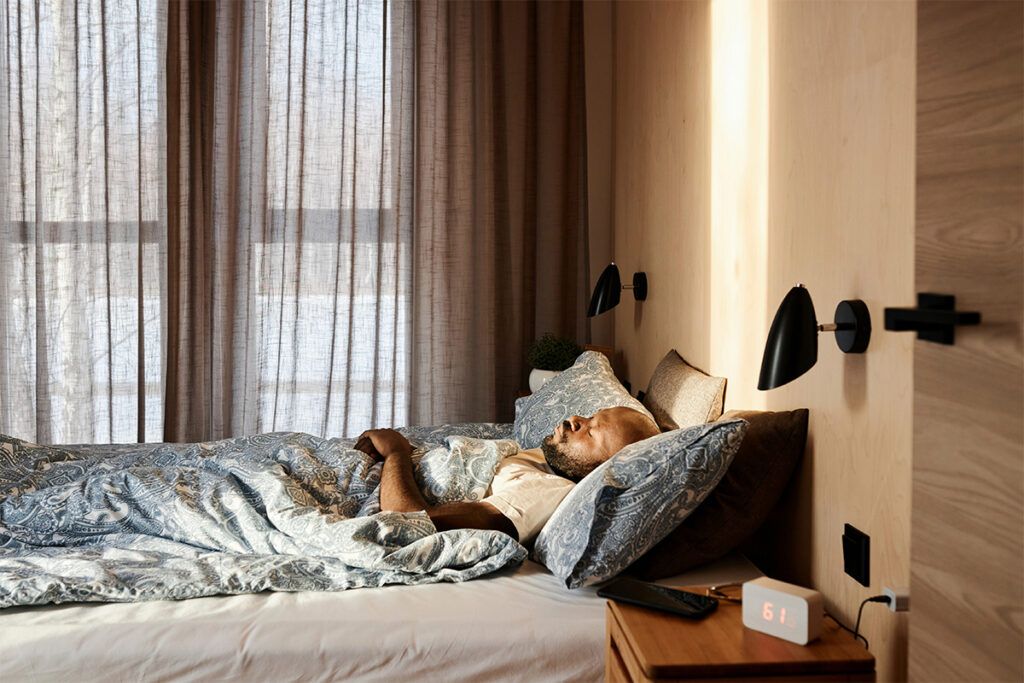
Sleep deprivation may increase your chance of developing anxiety symptoms, though it doesn’t necessarily cause the condition.
A 2021 review of 30 studies found that poor sleep increases the chance of experiencing symptoms of anxiety, depression, irritability, and of alcohol and caffeine use. In the review, poor sleep referred to few overall hours of sleep, nightmare occurrence, difficulty falling asleep, waking up during sleep, and spending more than 51 minutes awake during bedtime.
A 2021 review of 65 studies also found a correlation between sleep and mental health, suggesting that improving overall sleep quality may lead to decreased symptoms of anxiety, depression, and chronic stress.

Is poor sleep a formal symptom of anxiety?
The DSM-5-TR lists sleep disturbance as a symptom of generalized anxiety disorder.
Sleep disturbance refers to difficulty falling and staying asleep, regularly sleeping fewer or more hours than recommended (7-8 hours for adults), and experiencing nightmares or sleepwalking, among other symptoms.
Not everyone with an anxiety disorder will experience sleep disturbances, though, and poor sleep is not the only indicator of anxiety.
Do anxiety disorders lead to sleep challenges?
Even if you don’t experience them initially, living with anxiety symptoms may eventually lead to sleep challenges. Some emotional and physical anxiety symptoms, like racing thoughts, rapid heartbeat, and shortness of breath, may make falling and staying asleep difficult.
A 2020 review suggests that if you live with anxiety, you may have a hard time switching off your thoughts. As a result, you may:
- have trouble slowing down and relaxing
- experience nightmares, panic attacks, or sleep sweats
- wake up multiple times during your sleep time
- sleep fewer hours than usual
- feel you’re not rested
Anxiety at bedtime: What does it mean?
Anxiety at bedtime can be frustrating and affect the quality of your sleep. It can manifest as going over the same thoughts, heart palpitations, sweating, and feelings of dread.
Anxiety at bedtime may be influenced by factors like:
- Stress: If you are worried about work, family life, finances, or other aspects of your life, your mind may stay active and alert and make it harder to sleep.
- Caffeine consumption: Drinking caffeinated beverages like coffee or energy drinks too close to bedtime may keep you awake for longer than you might want.
- Disrupted sleep schedule: If you sleep in late or don’t maintain a regular routine, it may be harder to relax and fall asleep when bedtime comes around.
If you only experience anxiety at bedtime, it could also be a sign of a specific phobia, such as a fear of the dark or being alone.
Meanwhile, if you experience anxiety at bedtime and throughout the day, it may be a sign of generalized anxiety disorder or chronic stress.
Only a mental health professional may be able to provide an accurate diagnosis and management plan for both sleep disturbances and anxiety symptoms.
Tips to sleep better
If you experience anxiety symptoms that interfere with regular activities, including sleep, consider contacting a mental health professional. They’ll be able to explore the possible causes of your symptoms and the best way to approach them.
To improve your sleep hygiene, you may also try to:
- stick to a consistent sleep schedule every day
- identify and implement a relaxing bedtime routine
- avoid caffeine, alcohol, and nicotine before bedtime
- make your bedroom a comfortable and quiet place to sleep
- get regular exercise during the day but not too close to bedtime
- practice relaxation techniques like deep breathing or meditation
- spend time in natural light during the day
- reduce or avoid daytime naps
- ask your health professional about soothing supplements like melatonin or chamomile
How is anxiety treated?
It is possible to manage anxiety symptoms and find relief. Treatment options may include:
- Cognitive behavioral therapy (CBT): A common form of psychotherapy for anxiety disorders that helps individuals identify and change negative patterns of thinking and behavior. It focuses on the present and is goal-oriented, with the aim of developing effective coping strategies for current challenges.
- Relaxation techniques: Options like grounding exercises, deep breathing, mindfulness, aromatherapy, massages, or meditation help some people manage anxiety symptoms.
- Lifestyle changes: Focusing on a nutrient-dense diet and regular physical activity may help improve your symptoms. Quitting smoking and limiting alcohol intake are also recommended.
- Medications: If your symptoms are severe and other management options aren’t working, medications may help. Options may include short-term benzodiazepines, like alprazolam (Xanax) and lorazepam (Ativan), and long-term antidepressants, like fluoxetine (Prozac), sertraline (Zoloft), and escitalopram (Lexapro), among others.
————-
If you need help covering the cost of medications, the free Optum Perks Discount Card could help you save up to 80% on prescription drugs. Plus, you can now get them delivered to your home in as little as 3 days. Search for your medication here.

Free prescription coupons
Seriously … free. Explore prices that beat the competition 70% of the time.
Get free cardSummary
While poor sleep may exacerbate anxiety symptoms, anxiety can also interfere with your quality of sleep.
Not everyone with an anxiety disorder experiences sleep disturbances, though. Similarly, you may have sleep challenges unrelated to anxiety symptoms.
If you’re having a hard time with anxiety symptoms or sleep quality, consider talking with your doctor about management options. Relief is possible.
—————
Download the free Optum Perks Discount Card to save up to 80% on many prescription medications. Plus, you can now get them delivered to your home in as little as 3 days. Search for your medication here.