


Most antidepressants that doctors prescribe to treat depression and other health conditions are generally safe to take with birth control medications.
However, certain drugs may interact with birth control by changing the hormone levels in your body, potentially reducing birth control efficacy. If you’re taking antidepressants alongside birth control and are concerned about whether this will affect the effectiveness of your contraception, consider speaking with a healthcare professional.
Can antidepressants be taken alongside birth control?
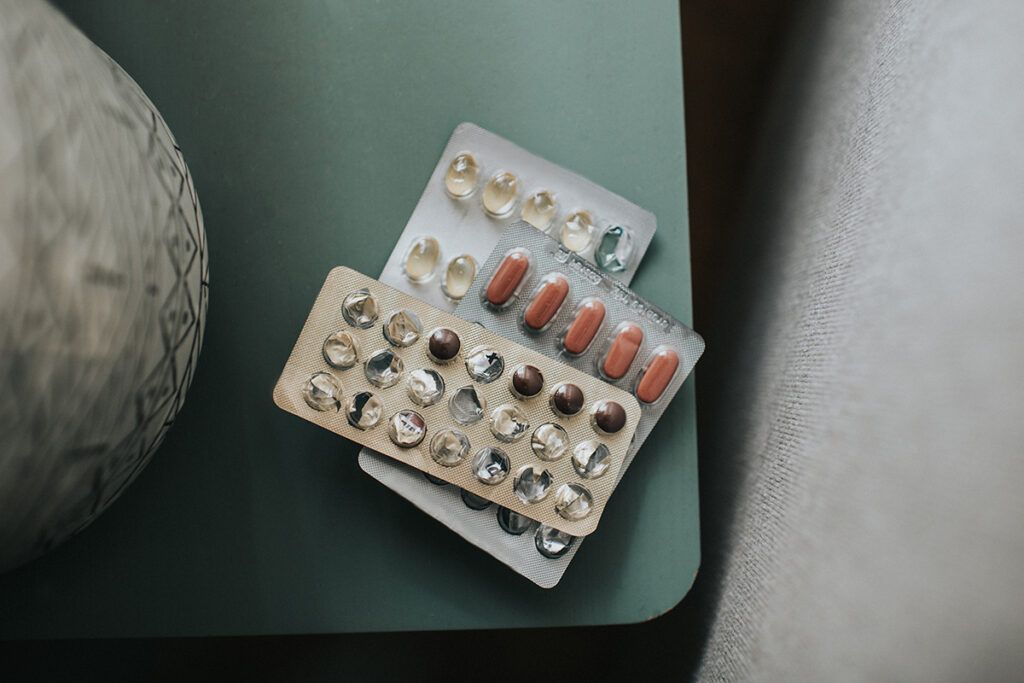
It is generally safe to take antidepressants alongside birth control medications. A 2016 review found no significant evidence that suggests any interaction between birth control and antidepressant medications.
The review also looked at what antidepressants were safe to take alongside birth control medications and highlighted the following:
- selective serotonin reuptake inhibitors (SSRIs), such as citalopram (Celexa) and fluoxetine (Prozac)
- tricyclic antidepressants (TCAs), such as amitriptyline (Elavil) and desipramine (Norpramin)
- serotonin-norepinephrine reuptake inhibitors (SNRIs), such as duloxetine (Cymbalta) and venlafaxine (Effexor)
The Centers for Disease Control and Prevention (CDC) also states that no relevant evidence suggests that birth control medications reduce the effectiveness of antidepressants. However, the evidence is currently limited, and more research is needed.
It’s important to know that some herbal remedies for depression, such as St John’s wort, have the potential to interact with and reduce the effectiveness of contraceptives.
If you need help covering the cost of medications, the Optum Perks free Discount Card could help you save up to 80% on prescription drugs. Follow the links on drug names for savings on that medication, or search for a specific drug here.

Side effects of taking antidepressants with birth control
People do not typically experience complications from taking birth control medications alongside antidepressants. Any side effects that may occur are generally not linked to a drug interaction but to the side effects of each singular medication.
The side effects of antidepressant drugs may differ depending on the type of antidepressant the doctor prescribes. These may include:
- headaches
- drowsiness
- nausea
- loss of appetite
- weight gain
- dry mouth
- upset stomach
Birth control side effects may include:
- headaches
- nausea
- breast tenderness
- mood changes
- blood clots
Side effects typically occur when you start taking these drugs and usually go away after some time. However, if they are causing you discomfort or you have any concerns about your health, you should speak with a doctor and report your symptoms.
Are there any drugs you should not take while on birth control?
Several drugs may not be suitable to take while on birth control. These include medications that may cause diarrhea as a side effect, as this can affect how your body absorbs the combined or progestogen-only pill and reduces its contraceptive effect.
Medications that increase particular enzymes in your body can also affect hormonal contraception, such as:
- the pill
- the vaginal ring
- the patch
- the implant
This is because the enzyme speeds up the processing of certain contraceptive hormones, reducing their levels in the bloodstream quicker and decreasing your protection from pregnancy. Medications that can affect hormonal contraception include:
- certain drugs used to treat epilepsy
- St John’s wort
- certain antiretroviral drugs used to treat HIV
- rifampicin-like antibiotics
However, this does not affect every type of birth control method. Contraception methods not affected include:
- intrauterine device (IUD)
- progestogen-only injection
- intrauterine system (IUS)
If you are about to begin a new medication, your doctor can advise you if it is safe for you to do so while on birth control. They can also suggest whether the new medication will likely make contraception less effective and if another contraceptive method will be better.

Free prescription coupons
Seriously … free. Explore prices that beat the competition 70% of the time.
Get free cardWhat are your chances of getting pregnant on birth control and antidepressants?
No significant scientific evidence suggests that taking antidepressants can reduce the effectiveness of birth control and increase the chances of getting pregnant. People can typically keep taking their birth control medications alongside antidepressants without interference.
A 2016 study also suggests that taking antidepressant medications may reduce a person’s chances of getting pregnant. However, it was noted that depression may be the underlying cause, so further research is still needed to understand if there is a link.
Speaking with a doctor can help you understand whether taking certain medications while on birth control may reduce efficacy.
Summary
Overall, it is typically safe to take antidepressant drugs alongside birth control medications as there is no significant scientific evidence of interactions between them. Side effects associated with combining these medications are typically attributed to individual drug effects rather than interactions.
However, other drugs, like those that cause diarrhea or affect hormone levels, like enzyme-inducing medications used for treating epilepsy, may reduce the effectiveness of hormonal contraception.
If you are taking antidepressants alongside birth control and are concerned about whether this will affect the effectiveness of your contraception, consider speaking with a healthcare professional.
If you or someone you know is considering suicide or self-harm, please seek support:
- Call the 988 Suicide and Crisis Lifeline 24 hours a day at 988.
- Text “HOME” to the Crisis Textline at 741741.
- Not in the U.S.? Find a helpline in your country with Befrienders Worldwide.
- Call 911 or your local emergency number if you feel it’s an emergency.
While you wait for help to arrive, stay with someone and remove any weapons or substances that can cause harm. You are not alone.