


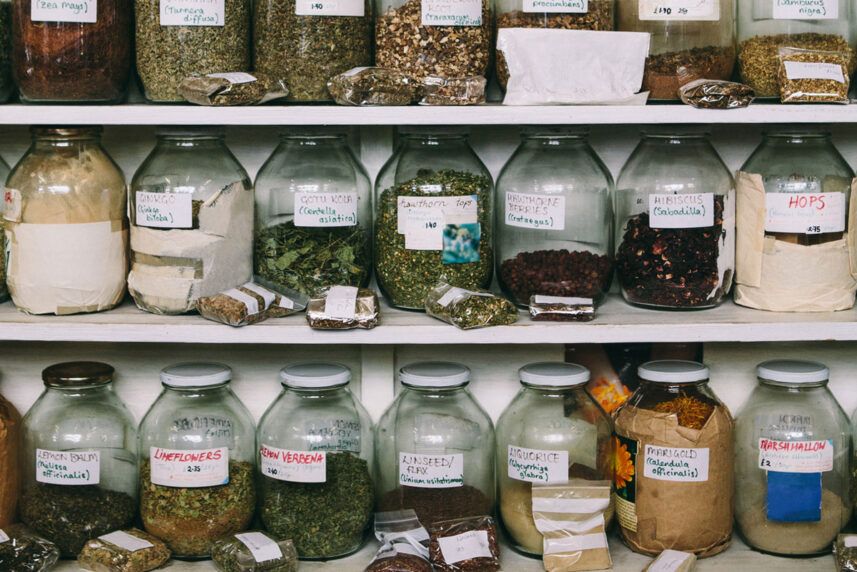
Scientists have found evidence that various natural remedies — including herbs — may help reduce the pain of migraine and prevent it from occurring.
It is worth noting that while these remedies are mostly safe to use, there is not enough research to confirm their effectiveness, and some may have adverse effects. It’s best to check with a doctor before using a new remedy.
—————-
Need a diagnosis or prescription quickly? Optum Perks offers personalized on-demand care in as little as 15 minutes. For $39, answer a few questions online and receive a diagnosis and treatment plan from a US-licensed healthcare professional. Get started here.

1. Butterbur
Butterbur is a flowering plant that people sometimes use to help treat migraine, asthma, allergies, and general pain.
A 2022 review found evidence to support the use of butterbur to help prevent migraine, but only one form has been thoroughly evaluated to demonstrate therapeutic efficacy and safety: Petasites hybridus (Petadolex). A 2018 study suggests that butterbur extract for migraine prevention can be effective without causing liver injury.
Its anti-inflammatory and antispasmodic properties are what help prevent migraine from occurring. It also widens blood vessels, which helps decrease pressure and tension.
The root extract is available in pill form. It may be effective at a dose of 150 milligrams (mg) per day.
2. Peppermint
The active ingredient in peppermint, menthol, may have pain-relieving effects, which can be beneficial to manage migraine attacks. According to a 2018 study, peppermint oil applied in a dropper through the nose could reduce the intensity and severity of migraine headache attacks.
The scientific name is Mentha piperita, and Bo He in traditional Chinese medicine (TCM).
How to use: Take peppermint capsules or use peppermint leaves to make tea. Alternatively, you can apply diluted peppermint essential oil on the skin.
When using essential oils, it is important to dilute the oil in a carrier oil, such as jojoba, coconut, or almond oil. It is advisable to do a patch test first by diluting a few drops and trying it on a small area of skin.
3. Willow bark
An extract of this tree’s bark helped develop the common pain reliever aspirin. A 2021 review suggests that it has pain-relieving and anti-inflammatory effects that can help with headaches with no significant adverse effects.
The scientific name is Salix, and Bai Liu Pi in TCM. The extract is available in capsule form. You can also sometimes get it as a chewable bark.
4. Ginger
Ginger is well-known for its anti-inflammatory and pain-relieving effects on the body. And a 2021 study on ginger for migraine suggests that it can reduce pain and nausea, both symptoms associated with migraine attacks, without an increased risk of adverse effects.
The scientific name is Zingiber officinale. In TCM, it’s called Sheng Jiang. Fresh or dried ginger root or extract is readily available and is used in ginger capsules or ginger tea.
5. Lavender
The flowers of the lavender plant have been used since Egyptian times to treat headaches, fatigue, and stress. Lavender may help reduce stress and tension, which often contribute to migraine.
A 2023 study found that inhaling lavender essential oil can help reduce the severity and frequency of migraine headaches and prevent attacks.
The scientific name is Lavandula. You can inhale the essential oil or dilute it with a carrier oil and apply it to the skin, remembering to do a patch test first. You can also use lavender flowers to make tea.
6. Turmeric
Well-known for its bright yellow-orange color, turmeric comes from the root of Curcuma longa, a flowering plant in the ginger family.
Curcumin, a compound present in turmeric, has anti-inflammatory properties that can help with migraine. A 2023 research review concluded that curcumin might help reduce the frequency and severity of migraine attacks.
The scientific name is Curcuma longa. In TCM, it is Jiang Huang. Often used as a spice, the dried root is also available in tea or capsule form.
7. Feverfew
Feverfew is an herb used worldwide for several purposes. Its leaves contain compounds that can have anti-inflammatory and antioxidant effects. The scientific name is Tanacetum parthenium.
Some research suggests that feverfew may be beneficial for migraine prevention, although it may have some side effects, such as mouth ulcers, abdominal pain, nausea, and rebound headaches.
Feverfew is available as dietary supplements in tablet form, or you can use the dried leaves and flowers to make a tea.
Other treatment options
Once a migraine attack begins, both over-the-counter (OTC) medications and prescription drugs can help address pain.
Options for treating migraine symptoms include but are not limited to:
- nonsteroidal anti-inflammatory drugs (NSAIDs), like ibuprofen and naproxen
- triptans, such as sumatriptan for severe pain
- antiemetics to treat nausea and vomiting, such as metoclopramide
Other medications can help prevent migraine, such as:
- beta-blockers like propranolol
- antidepressants, such as amitriptyline and venlafaxine
- anticonvulsants like valproate and topiramate
Doctors can also use a type of medication called CGRP antagonists for acute and preventive treatment. These include fremanezumab-vfrm (Ajovy) and ubrogepant (Ubrelvy).
Lifestyle tips that can help avoid migraine include:
- getting enough sleep
- eating regular meals
- avoiding triggers, such as alcohol
- managing stress
————-
If you need help covering the cost of medications, the free Optum Perks Discount Card could help you save up to 80% on prescription drugs. Plus, you can now get them delivered to your home in as little as 3 days. Search for your medication here.
Free prescription coupons
Seriously … free. Explore prices that beat the competition 70% of the time.
Get free cardWhen to contact a doctor
Speak with a healthcare professional if a migraine:
- lasts for more than a few days
- increasingly worsens
- recurs often
Seek medical care immediately if your headache results from a concussion or head trauma. A severe “thunderclap” headache can indicate a stroke and needs urgent medical attention.
Online care for migraine
Although it’s important to consult a doctor in person for a diagnosis of migraine, once you have a diagnosis, online care services may help you get medication refills more easily.
Optum Perks has an online care service that offers a convenient way to get refills of migraine medication. Get started here.
Summary
Many people find OTC and medical treatment can help manage migraine.
However, herbal remedies have received attention from the medical community. Some of these may offer a safe, effective path toward prevention and pain reduction.
It’s always best to check with a medical professional before using herbal or alternative remedies.
—————
Download the free Optum Perks Discount Card to save up to 80% on many prescription medications. Plus, you can now get them delivered to your home in as little as 3 days. Search for your medication here.